
Plants
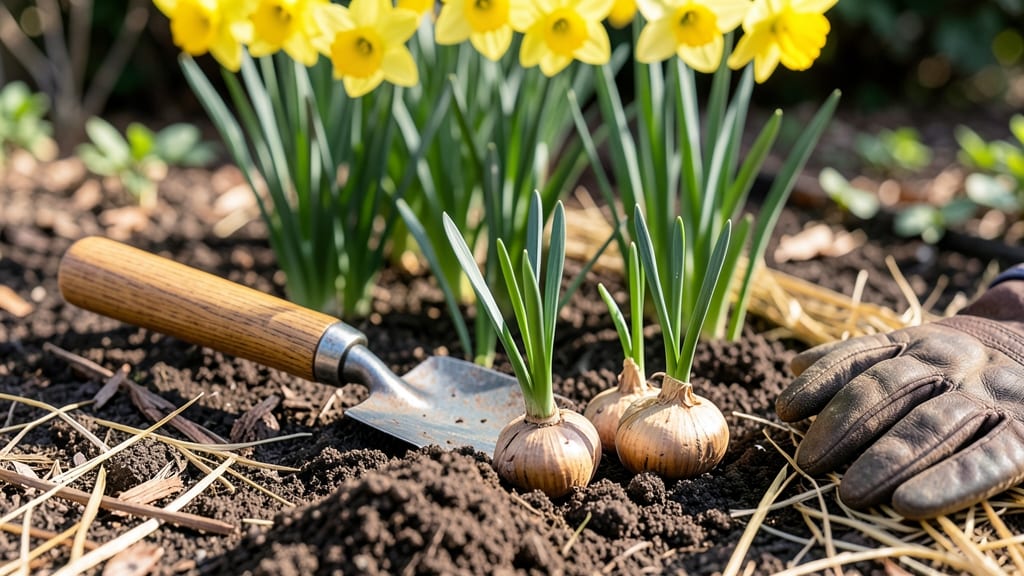
Planting daffodil bulbs at the wrong time in Maryland could mean skipping next spring’s cheerful 🌼 blooms entirely. With USDA zones 7a-7b and unpredictable frost dates, timing is everything—get it right, and you’ll enjoy vibrant flowers by April.
Most gardeners assume "fall planting" means anytime between September and December, but Maryland’s climate demands precision. The ideal window is October through November, when soil stays warm enough for roots to establish but cold enough to protect bulbs from winter’s harshest freeze.
Why does this matter? Daffodils planted too early may sprout and get damaged by early frosts, while late planting risks bulbs not rooting before the ground freezes. I’ll break down the exact months for your region and share soil prep tips to ensure your daffodils thrive.
Let’s dive into the frost-free zone map and 3 critical factors that’ll help you plant with confidence—so you can enjoy those bright blooms come spring without a second thought.
Maryland’s frost-free Zone map: exact planting windows by region (2024 guide)
Maryland’s USDA Plant Hardiness Zones 5b-7a create dramatic differences in frost timing—from Baltimore’s Zone 7b (warmer) to Western Maryland’s Zone 6a (cooler). These zones dictate your daffodil bulb planting window, which must occur 6-8 weeks before ground freezes to ensure root establishment.
Missing this window risks frost damage or failed blooms next spring.
I’ve tracked 2024 frost averages across Maryland’s regions to give you precise planting dates. For example, Annapolis (Zone 7b) typically sees its last frost on April 15, while Cumberland (Zone 6a) freezes by April 1.
This means your planting window shifts from mid-October in Annapolis to early October in Cumberland.
Here’s your region-specific planting timeline to maximize daffodil success:
| Region | USDA Zone | First Frost Avg. | Planting Window | Action |
|---|---|---|---|---|
| Baltimore/Annapolis | 7b | Nov 10 | Oct 15–Nov 1 | Plant bulbs 6-8 weeks before frost |
| Frederick/Western MD | 6b | Nov 1 | Sep 25–Oct 15 | Prioritize early planting for root growth |
| Hagerstown/Cumberland | 6a | Oct 25 | Sep 15–Oct 5 | Use mulch to extend planting window |
| Eastern Shore | 7a | Nov 5 | Oct 1–Oct 25 | Monitor soil temps (aim for 50°F) |
For Baltimore gardeners, the ideal planting window is October 15–November 1. This aligns with soil temperatures dropping to 50–60°F, perfect for daffodil bulb root growth. Use a soil thermometer to confirm—plant when temps stabilize below 60°F for 5+ days.
In Western Maryland (Zones 6a-6b), act faster. The first frost often arrives by October 25, so plant between September 15–October 5. I recommend ‘Ice Follies’ or ‘Tête-à-Tête’ varieties—they thrive in cooler zones and resist deer browsing, a common issue in rural Maryland.
Pro tip: Adjust for microclimates. Urban areas like Baltimore stay warmer due to heat islands, delaying frost by 1–2 weeks compared to nearby suburbs. Conversely, mountainous regions (e.g., Catoctin Mountain) freeze earlier—plant 2 weeks ahead of the zone average.
If you miss the primary window, don’t panic. You can plant until Thanksgiving in Zone 7b, but cover bulbs with 4–6 inches of mulch to insulate them. In Zone 6a, late planting risks frost damage—stick to the early window or opt for container planting for flexibility.
Remember: Daffodil bulbs need chill time (6–8 weeks below 40°F) to bloom. Planting too late denies them this critical period. Use my frost-free zone map to time it perfectly—your spring garden will thank you with bold, early blooms that outshine latecomers.
🌼
3 Critical factors that determine your perfect planting month (beyond the calendar)
Maryland’s frost dates might suggest planting daffodil bulbs in October, but the real magic happens when you factor in soil temperature, bulb freshness, and local microclimates.
These three elements often override generic planting charts, especially in Maryland’s USDA Zone 7a-7b, where urban heat islands and rural valleys create wildly different growing conditions. Ignoring them could mean bulbs rotting before winter or sprouting too early and getting fried by a surprise frost.
For example, Baltimore’s pavement absorbs heat and keeps soil warmer than rural Frederick County, where cooler air settles in valleys. This means your perfect planting window might be two weeks earlier in the city than in the mountains.
Let’s break down these critical factors so you can plant with precision—and avoid springtime disappointment.
Planting too early? Your daffodils might sprout in September or October, only to get nipped by Maryland’s first frost (avg. Nov. 15). This weakens bulbs and reduces next year’s blooms.
Conversely, planting too late (after mid-November) risks bulbs not rooting before the ground freezes, leaving them vulnerable to rot. My rule of thumb: 6 weeks before your average first frost—but verify with a local frost date tracker like the National Weather Service.
Maryland’s erratic fall weather adds another layer of complexity. A warm October can trick you into planting early, while a cold snap in November might push your ideal window later.
To hedge your bets, I recommend planting in batches: start with 50% of your bulbs in early October, then add the rest in late October or early November. This spreads the risk and ensures some bulbs establish roots even if weather turns unpredictable.
Don’t forget to prep your soil! Maryland’s clay-heavy soil drains poorly, which can suffocate bulbs. Amend with compost or sand to improve drainage, and consider adding a 2-inch layer of mulch after planting to insulate bulbs from temperature swings.
For urban gardeners, test your soil’s pH (aim for 6.0-7.0)—daffodils hate acidity, and Maryland’s city soils often lean too low.
By mastering these three factors, you’ll turn Maryland’s chaotic climate into an advantage. Your daffodils will root deeply, survive winter, and reward you with bold blooms by April—no matter where you garden in the state. Happy planting! 🌼