
Plants
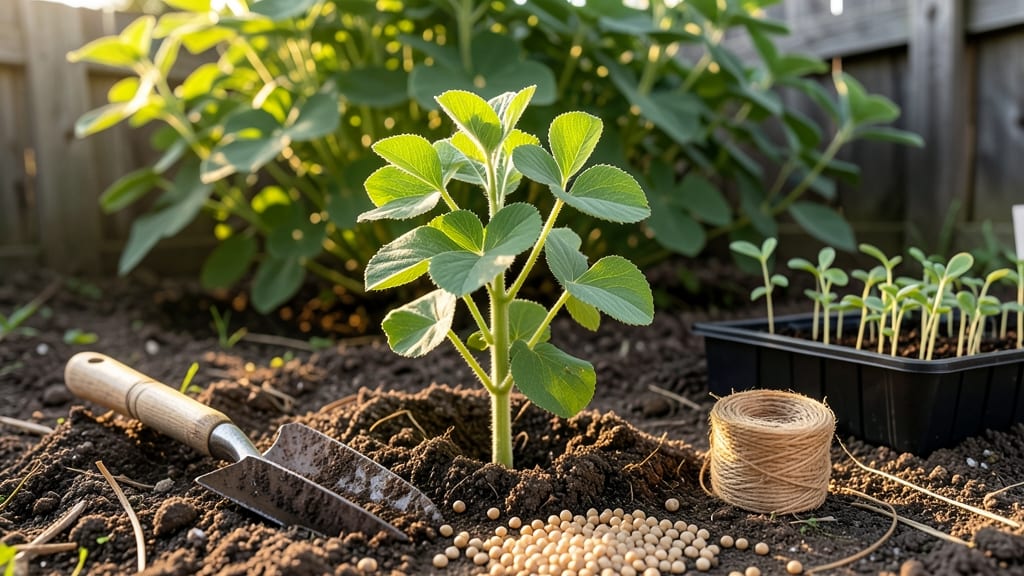
Planting alfalfa at the wrong time in Michigan can mean the difference between a thriving 🌱 crop and wasted seeds—especially in zones 5b-6b where frost lingers longer than most gardeners expect.
If you're growing alfalfa for forage, cover crops, or seed production, timing isn't just important—it's everything. Michigan's short growing season demands precision, and planting too early risks frost damage, while waiting too long cuts yields. The key? Understanding your region's last frost date and soil temperature trends.
In this guide, I'll break down the exact planting windows—early spring and late summer—that work best for Michigan gardeners, plus soil prep tips to set your alfalfa up for success. Whether you're a farmer or a backyard grower, these insights will help you avoid common mistakes and maximize your harvest.
Ready to grow lush, productive alfalfa? Let's dive into the frost-free window that works for your Michigan garden.
Michigan’s ideal alfalfa planting timeline by month (Zone 5-6 guide)
Alfalfa is a hardy perennial that thrives in Michigan’s cool climates, but getting the planting timing right is critical for strong establishment. Unlike annual crops, alfalfa needs 2-3 years to reach full productivity, so starting it at the wrong time can delay yields by an entire season.
Michigan’s Zone 5-6 frost dates vary sharply between the Upper Peninsula (colder) and Lower Peninsula (warmer), requiring tailored approaches.
The ideal planting window in Michigan spans early spring (March-April) and late summer (August-September). Spring planting gives alfalfa 6-8 weeks of warm soil before summer heat, while fall planting lets seedlings establish roots before winter.
However, late frosts in April can devastate early plantings, and early fall frosts in October may limit fall success in northern regions.
Here’s your month-by-month breakdown for Michigan’s Upper and Lower Peninsulas, including soil temperature thresholds and frost risk assessments: