
Plants
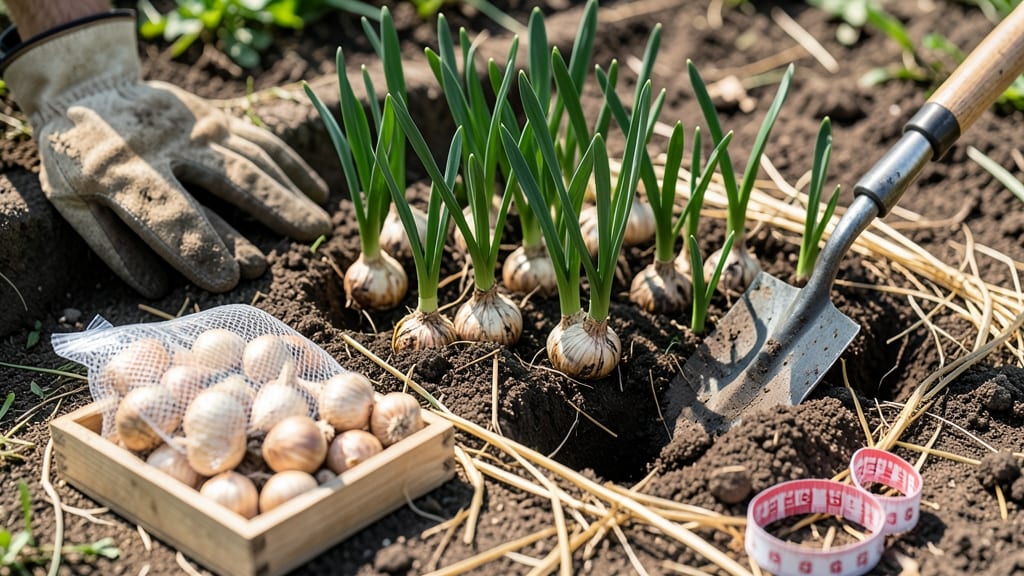
Planting daffodils at the wrong time in California can mean the difference between a vibrant spring garden and wasted bulbs. Unlike many plants, these cheerful blooms need precise timing to thrive in our diverse climates—whether you're in coastal San Francisco or inland Sacramento.
The key is understanding your local frost patterns and soil conditions. Most California gardeners should plant daffodil bulbs 🌱 in fall, but coastal areas with milder winters have a longer window than inland regions where early frosts demand quicker action.
Let me break down exactly when to dig in for your specific zone.
You'll also discover how to adjust for early vs. late blooming varieties, plus pro tips for soil prep that make all the difference. With the right timing, your daffodils will reward you with bold color and fragrance year after year—no guessing required.
Ready to transform your fall garden prep? Let's get those bulbs in the ground at the perfect moment for your California climate.
Optimal planting months for daffodils in California by climate zone
California’s microclimates create unique challenges for daffodil planting. In coastal regions, mild winters mean bulbs can establish roots earlier, while inland valleys require timing around first frost. Desert areas demand late planting to avoid summer heat stress.
Each zone has specific soil temperature thresholds and frost risks that determine success.
Daffodils need 6-8 weeks of chilling (40-50°F) to bloom properly. Planting too early in warm zones prevents root development, while late planting in cold areas risks frost damage. Your local frost dates should guide your schedule—aim to plant when soil temps drop to 60°F but before hard frosts arrive.
Let’s break down the ideal planting windows for each California climate zone, including soil prep tips and frost risk factors that could ruin your bulbs before they even sprout.
🌱
| Climate Zone | Best Planting Window | Soil Temp Threshold | Frost Risk Factor | Key Consideration |
|---|---|---|---|---|
| Coastal (Mild Winters) | October–November | 55–65°F | Minimal frost (USDA Zones 9-10) | Plant early to avoid winter rains |
| Inland (Cold Winters) | October–November | 50–60°F | High frost risk (USDA Zones 7-8) | Wait until soil cools post-first frost |
| Desert (Hot Summers) | November–December | 60–70°F | Low frost risk (USDA Zone 10) | Plant after summer heat subsides |
In coastal regions like San Francisco or Santa Barbara, daffodils thrive when planted in October or November. The mild winters mean bulbs can establish roots before winter rains arrive, but avoid planting too early—soil temps above 65°F can cause rot.
Use a moisture meter to confirm soil is cool but workable.
For inland valleys such as Sacramento or Fresno, timing is critical. Plant in late October or early November when soil temps drop to 50–60°F. These areas experience hard frosts, so bulbs need time to root before winter sets in.
Check your local frost dates—plant at least 6 weeks before the first expected frost.
Desert climates like Palm Springs or Death Valley require the latest planting window. Aim for November or December when soil temps are 60–70°F. The hot summers mean bulbs planted too early will bake in the ground. Add organic mulch to retain moisture and protect bulbs from extreme heat.
All California zones share one key rule: plant daffodils 6 inches deep and 6 inches apart for optimal spacing. Use well-draining soil mixed with compost to prevent rot. In clay-heavy soils, amend with sand or perlite for better aeration.
After planting, water deeply to settle soil around bulbs. Overwatering in warm zones can cause rot, while underwatering in desert areas may stress new roots. Aim for 1 inch of water per week during establishment, then reduce in winter.
Pro tip: Label your daffodil varieties at planting time. Some early bloomers like 'February Gold' need extra chilling, while late varieties like 'Ice Follies' tolerate warmer winters. Adjust your schedule based on your desired bloom time!
🌷
How to adjust planting time for early vs. late blooming daffodil varieties
Not all daffodils bloom at the same time, and adjusting your planting schedule can help you enjoy early spring color or extend blooms into late spring. 'Tête-à-Tête' daffodils, for example, are famous for their Christmas-to-Easter blooming window, while 'Ice Follies' shine in late spring.
Understanding their unique needs lets you fine-tune planting times for maximum impact.
Early bloomers like 'Tête-à-Tête' require careful chilling, while late varieties such as 'Ice Follies' benefit from delayed planting. Urban microclimates—like city heat islands—can also shift ideal planting windows by 2-4 weeks compared to rural areas. Let’s break down how to adjust timing for both types.
- 1. Early Varieties (e.g., 'Tête-à-Tête'): Plant bulbs in late fall (Nov-Dec) to ensure 8-10 weeks of chilling. Use layering techniques—bury bulbs deeper in urban heat zones to mimic cooler rural conditions.
- 2. Late Varieties (e.g., 'Ice Follies'): Delay planting until January-February to avoid premature sprouting. In desert climates, wait until soil temps drop below 60°F for best results.
- 3. Chilling Requirements: Most daffodils need 10-15 weeks below 40°F. Use refrigerator forcing for early blooms—plant bulbs in pots, chill for 10-12 weeks, then move indoors for Christmas blooms.
- 4. Microclimate Adjustments: In urban gardens, plant early varieties in shadier spots or use cooling mulches. Rural gardeners can push late varieties slightly later without risking frost damage.
- 5. Soil Prep for Timing: Amend soil with compost and sand to improve drainage—critical for preventing rot in early-planted bulbs. Test soil pH (aim for 6.0-7.0) to ensure optimal nutrient uptake.
Forcing early blooms like 'Tête-à-Tête' requires patience and precision. Start by planting bulbs in well-draining pots filled with a mix of sand and peat moss. Place them in the fridge for 10-12 weeks at 35-45°F, then move to a bright, cool indoor spot.
Within 4-6 weeks, you’ll see buds ready for holiday displays.
Late bloomers like 'Ice Follies' thrive when planted later in the season. In coastal California, aim for January planting to avoid winter rains that can cause rot. Inland areas can wait until February, but monitor soil moisture—overwatering in warm spells can trigger early sprouting.
Urban gardeners often face warmer microclimates that can confuse daffodil timing. If your city garden stays 10°F warmer than rural areas, plant early varieties 2-3 weeks earlier and late varieties 1 week later. Use shade cloth or mulch to buffer heat spikes during critical root development.
Adjusting planting times isn’t just about dates—it’s about understanding your local frost risks and soil conditions. For example, desert daffodils planted in November may sprout too early, while coastal gardens can plant as late as January without frost worries. Experiment with small batches to find your perfect timing!