
Plants
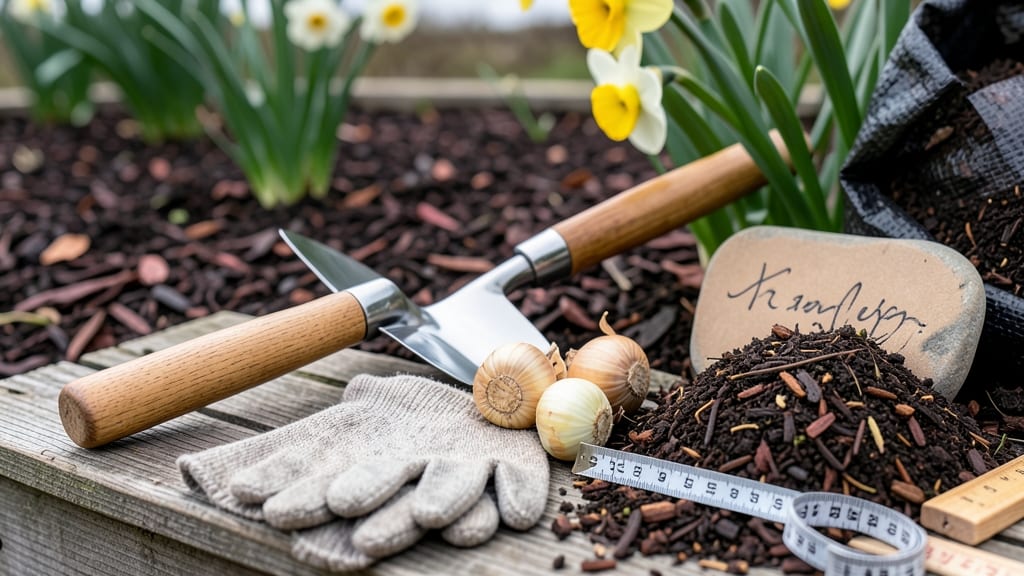
Planting daffodil bulbs in Seattle at the wrong time can mean the difference between a vibrant spring display and a season of disappointment. The key to success lies in understanding your local climate—where chilly coastal air meets unpredictable frost patterns—and how to work with them, not against them.
For Seattle gardeners in Zone 8a, the ideal window stretches from October through December, giving bulbs time to root before winter sets in.
Too early, and your 🌼 may sprout prematurely only to be nipped by frost; too late, and they won’t establish deep enough roots for next year’s blooms. I’ll show you exactly how to time it right for your specific microclimate.
Beyond just the calendar, soil temperature and moisture play critical roles in bulb survival. Seattle’s rainy fall can turn planting into a muddy challenge, while early cold snaps might catch unprepared gardeners off guard.
Don’t worry—I’ve got science-backed strategies to protect your investment, from proper bulb depth to smart mulching techniques.
Ready to transform your garden into a sea of cheerful yellow and white? Let’s dive into the exact steps to plant your daffodils for zero-frost success, tailored specifically to Seattle’s coastal quirks. Your spring garden will thank you!
Optimal planting windows for Seattle daffodils: month-by-month frost-proof guide
Seattle’s coastal climate creates unique challenges for daffodil planting—mild winters can fool gardeners into planting too late, while unpredictable frost risks can damage early bloomers.
The key is planting when soil temperatures drop below 60°F (15°C) but before the ground freezes, typically 4-6 weeks before your last frost date. For Seattle’s Zone 8a-9a, this usually means late September through November, with adjustments based on your specific microclimate.
Urban areas like Downtown Seattle experience warmer microclimates due to concrete heat retention, while rural zones near Mount Rainier or Snoqualmie Pass face earlier frosts. Even within the city, West Seattle stays cooler and wetter than Eastlake, so timing matters.
Let’s break down the ideal planting windows month by month, including soil prep tips and frost-risk adjustments for Seattle’s variable weather.
⚠️ Critical Note: Seattle’s rain-heavy autumns mean soggy soil can delay planting. Always check soil readiness—it should be cool but workable, not muddy. Use a soil thermometer to confirm temps are below 60°F (15°C) before planting.
October is the sweet spot for planting daffodils in Seattle, offering the perfect balance between soil warmth and frost preparation. Aim to plant by mid-October in urban areas and early October in cooler rural zones.
This timing allows bulbs to establish roots before winter while avoiding the first frost, which typically hits Seattle between November 15 and January 15.
If you miss October, November can still work, but prioritize well-draining soil and deep planting (6-8 inches) to protect bulbs. In rain-heavy years, like 2023, delay planting until soil isn’t waterlogged.
Test with your finger—if it feels soggy below 4 inches, wait a week or two. For container planting, November is safer since pots warm up faster in spring.
Pro tip: Use a bulb planter or trowel to create pockets in the soil. Space bulbs 4-6 inches apart for dwarf varieties and 6-8 inches apart for standard types.
Add a 2-inch layer of mulch (straw or shredded leaves) after planting to insulate bulbs and retain moisture during Seattle’s winter rains.
For late bloomers like ‘Ice Follies’ or ‘Tête-à-Tête’, plant in early November—these varieties handle cooler soils better. Early bloomers such as ‘Carlton’ or ‘February Gold’ should go in by mid-October to avoid frost damage to emerging shoots. Always plant pointy end up and roots down for optimal growth.
Seattle’s urban heat islands can create microclimates where planting
How Seattle’s coastal climate affects daffodil bulb success (and how to adapt)
Seattle’s coastal climate creates unique challenges for daffodil bulbs—cold snaps, soggy soil, and salty winds can all threaten their survival. Unlike inland areas, our mild winters with sudden freezes mean bulbs need extra protection to establish strong roots before dormancy.
The key is adapting planting techniques to match Seattle’s variable microclimates, from rain-soaked urban gardens to drier suburban yards.
One of the biggest risks is late-season frost, which can blacken emerging shoots if bulbs aren’t planted deep enough. The Pacific Ocean’s influence also means soil stays cooler longer, delaying root growth. Meanwhile, heavy rainfall can lead to waterlogged beds, causing bulbs to rot before they even sprout.
These challenges aren’t insurmountable—with the right strategies, you can give your daffodils the best shot at thriving despite Seattle’s quirks.
⚠️ **CRITICAL WARNING: Planting daffodil bulbs in Seattle too early (before mid-September) risks premature sprouting from warm fall rains, while waiting until after November 15 leaves bulbs vulnerable to early winter freezes.
Aim for October 1–November 15, adjusting for your specific microclimate—urban areas may need earlier planting due to heat island effect delays in soil cooling.
🌱 Pro Tip: Test your soil’s drainage before planting. If water pools after 6 hours, amend with compost or sand to prevent rot. In low-lying areas, consider raised beds to avoid waterlogging during Seattle’s winter deluges.
Another adaptation is mulching—apply 3–4 inches of straw or shredded leaves after planting to insulate bulbs from temperature swings and retain moisture. This is especially critical in wind-exposed sites, where desiccating winds can dry out newly planted bulbs.
For coastal gardens, choose windbreak plants like evergreen shrubs or ornamental grasses to shield beds from salt-laden gusts.
Bulb depth matters more in Seattle than in warmer climates. Plant bulbs 6–8 inches deep (twice their height) to protect them from freeze-thaw cycles and rodent damage. In well-drained soil, shallower planting (4–6 inches) is fine, but amend heavy clay with organic matter to improve aeration. Avoid planting in full shade, as daffodils need at least 6 hours of sunlight to bloom reliably.
After planting, water deeply once to settle soil around bulbs, then reduce watering until spring rains return. Overwatering in winter can drown bulbs, while underwatering stresses them during dormancy.
In containers, use a well-draining mix with perlite or grit and move pots to a protected location if winds exceed 20 mph.
With these adaptations, your daffodils will bloom brighter and return yearly despite Seattle’s challenges. The secret? Timing + protection—plant at the right moment, shield them from extremes, and let nature do the rest.
Soon, your garden will burst with cheerful yellow and white blooms come spring, proving that even coastal climate quirks can’t stop a well-prepared daffodil!