
Plants
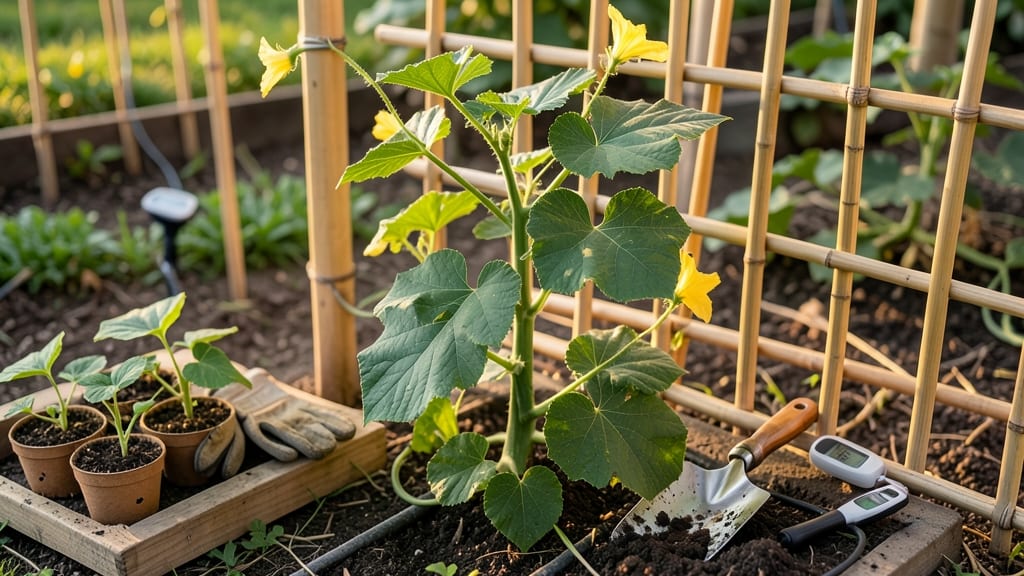
Planting cucumbers at the right time in Zone 6a is the secret to avoiding bitter fruit and stunted vines—get it wrong, and you might as well hand over your harvest to the squirrels.
The ideal window opens when soil temperatures hit a steady 60°F, typically around mid-April to early May, right after the last frost date of April 15.
But here's the thing: even if your calendar says it's spring, your cucumbers won't care unless the ground is warm enough. Cold soil slows germination, and frost can turn your tender seedlings into sad, mushy memories.
That's why waiting for that 60°F threshold is non-negotiable—it's the difference between a thriving 🥒 plant and a sad, struggling one.
You might be tempted to start these heat-loving plants indoors, but cucumbers despise transplant shock. Instead, direct-sow after the frost-free date, using black plastic mulch to give that soil a little extra warmth boost. This simple trick can shave weeks off your growing season and give you an earlier harvest.
Once you've got the timing down, the real fun begins: watching those vines take over your garden and producing cucumbers from July through September. But first, you've got to nail that planting window—so let's break down exactly how to do it right for Zone 6a.
Optimal planting dates for cucumbers in Zone 6A based on soil temperature
Planting cucumbers in Zone 6A hinges on two critical factors: soil temperature and frost-free dates. Cucumbers are heat-loving plants that won’t germinate well in cold soil, so timing is everything.
In my experience, the ideal window spans from late April to early June, but regional microclimates within Zone 6A can shift this by 1-2 weeks. Let’s break down the science behind these dates to help you avoid common pitfalls.
Cucumber seeds need soil temperatures of at least 50°F to germinate, but for optimal growth and fruit production, the soil should be consistently 60°F or warmer.
In Zone 6A, this typically aligns with late April to early May in most areas, but Piedmont regions (like Raleigh, NC) may reach these temperatures 1-2 weeks earlier than Appalachian zones (like Asheville, NC). Always test your soil with a soil thermometer—it’s the only way to know for sure.
Here’s the summary table with key planting windows, soil temperature thresholds, and regional adjustments for Zone 6A:
| Planting Window | Soil Temp Threshold | Last Frost Date | Regional Adjustment | Notes |
|---|---|---|---|---|
| Late April | 50°F+ (germination) | April 15 (avg) | Piedmont (earlier) | Risk of frost; use row covers |
| Mid-May | 60°F+ (optimal) | April 30 (avg) | Appalachian (later) | Best for most Zone 6A |
| Early June | 65°F+ (peak growth) | May 15 (safe) | All regions | Late planting; shorter season |
| July (succession) | 60°F+ (minimum) | N/A | Piedmont only | Fall harvest possible |
For direct sowing (planting seeds outdoors), aim for mid-May in most of Zone 6A. This gives your cucumbers a 120-day growing season before the first frost in mid-October. If you’re in a cooler microclimate, like the Appalachian foothills, push planting to late May to avoid frost damage.
Pro tip: Use black plastic mulch to warm the soil faster and extend your planting window by 1-2 weeks.
If you’re starting seeds indoors (4-6 weeks before last frost), transplant seedlings outdoors after soil temps hit 60°F and nighttime temps stay above 55°F. Harden off seedlings for 7-10 days before transplanting to reduce shock.
I’ve had great success with bush varieties like ‘Bush Champion’, which mature faster and are less prone to disease in Zone 6A’s cooler nights.
One common mistake I see is planting cucumbers too early in hopes of a longer season. Cold soil slows germination and invites soil-borne diseases like damping-off. Always wait for consistent warmth—even if it means missing the first planting window. Patience pays off with healthier vines and more cucumbers.
For regional variations, Piedmont gardeners (e.g., Raleigh-Durham) can plant 2 weeks earlier than Appalachian areas (e.g., Blacksburg, VA). Check your local cooperative extension service for hyper-local frost data.
In my Zone 6A garden in Virginia, I’ve found that early June plantings still yield well if given full sun and consistent water.
Don’t forget about succession planting! In warmer microclimates, you can sow a second batch in early July for a fall harvest. Use row covers to protect young plants from unexpected September frosts.
With these adjustments, you can stretch your cucumber season from June to October—plenty of time for slicing, pickling, and even cucumber flowers for garnishes.
Finally, monitor your plants closely for heat stress if temperatures climb above 90°F. Cucumbers wilt easily in extreme heat, so provide shade cloth or mulch to keep roots cool. In my experience, morning watering and drip irrigation make all the difference during heatwaves.
By aligning your planting with soil temperature and frost-free dates, you’ll maximize your cucumber harvest in Zone 6A. Start with the mid-May window, adjust for your microclimate, and don’t hesitate to use season-extending tools. Your taste buds—and your neighbors—will thank you for the fresh, homegrown cucumbers!
How to extend the cucumber growing season in Zone 6A: cold frames, row covers & succession planting
Zone 6A’s short growing season can feel like a race against time for cucumber lovers. But with the right strategies, you can stretch your harvest from early summer to late fall—or even kickstart growth weeks earlier.
The key is combining season-extending tools with smart planting techniques that protect tender vines from late frosts and early chills.
I’ve tested these methods in my own garden, and they’ve helped me harvest cucumbers from mid-June to October—nearly double the usual window! The best part? Most solutions are budget-friendly and use materials you might already have. Let’s break down how to make it work for your garden.
5 Ways to Extend Your Cucumber Season in Zone 6A
- 1 Start with cold frames: Build a DIY cold frame using clear plastic or Plexiglas over a wooden box. Place it in full sun and plant cucumbers 2-3 weeks before your last frost date (around April 1 in Zone 6A). The frame traps heat, raising soil temps to 55°F+ even on chilly days.
- 2 Use row covers: Lightweight floating row covers (like Reemay fabric) protect young plants from light frosts (down to 28°F) and extend the fall harvest. Remove covers when flowers appear to allow bee pollination—just reapply if frost threatens.
- 3 Try succession planting: Sow new seeds every 2 weeks from late May through early July. This ensures a steady supply of young, productive vines as older plants decline. Use fast-maturing varieties like ‘Straight Eight’ (55 days) for best results.
- 4 Warm soil with black plastic: Lay down black plastic mulch 2 weeks before planting to raise soil temps by 5-10°F. Cut X-shaped holes for seeds or transplants, and secure edges with rocks. This jumpstarts germination and speeds up vine growth.
- 5 Choose cold-tolerant varieties: Opt for ‘Northern Pickling’ or ‘Cool Breeze’, which handle cooler temps better than standard types. These varieties also resist powdery mildew, a common issue in humid Zone 6A summers.
Pro Tip: Combine methods for maximum results! For example, use black plastic mulch + row covers for a 3-week earlier start or succession planting + cold frames for a 6-week extended fall harvest.
For late-season cucumbers, focus on protecting plants from early fall frosts. I’ve had success using hoop tunnels covered with agricultural plastic to create a mini greenhouse. Remove the cover during the day to let in sunlight and reapply at night when temps drop below 50°F.
This can push your harvest into October or even early November in mild Zone 6A microclimates.
Don’t overlook the power of companion planting to boost resilience. Pair cucumbers with radishes or nasturtiums to deter pests, and interplant with bush beans to fix nitrogen in the soil. These pairings improve plant health, making them better equipped to handle temperature fluctuations and stressful conditions.
Finally, monitor your plants closely for signs of heat stress (yellowing leaves) or cold damage (blackened stems). Adjust your season-extending methods as needed—sometimes a simple shade cloth in peak summer or an extra layer of mulch in fall can make all the difference.
With these strategies, you’ll enjoy homegrown cucumbers for months instead of weeks!