
Plants
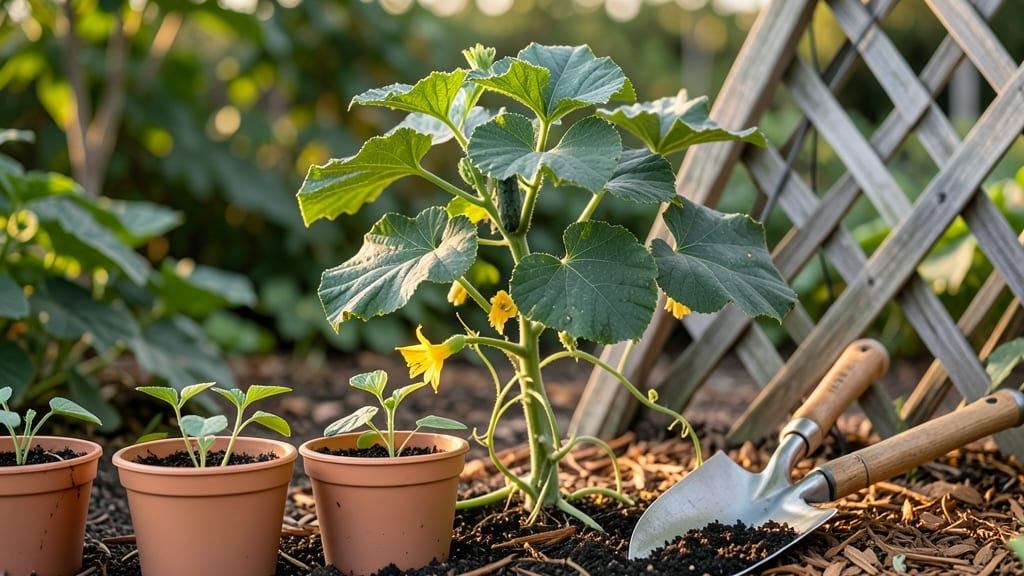
Planting cucumber seeds in Ohio isn’t just about waiting for spring—it’s about catching that perfect window when your soil warms up and frost risks fade.
Too early, and a late frost will wipe out your 🥒 plants before they even sprout; too late, and you’ll miss the sweet spot for summer harvests.
Most Ohio gardeners in zones 6a-6b can start seeds indoors by mid-April, but the real magic happens when soil temperatures hit 60°F or warmer. That’s usually around late April to early May, depending on your microclimate—urban areas warm faster than rural spots, so timing matters.
Whether you’re direct-sowing or transplanting, knowing these triggers saves you from wasted seeds and disappointed expectations. I’ll break down exactly how to track soil warmth, adjust for Ohio’s quirky weather, and get your cucumbers thriving before the heat of summer.
Let’s dive into the game-changer details—so you can go from guessing to growing like a pro. Your first crisp, homegrown cucumber is just a few weeks away if you plant at the right moment.
Ohio’s ideal cucumber planting timeline based on soil temperature
Ohio’s USDA Zones 5-7 create a unique challenge for cucumber growers—cool springs can delay planting while hot summers demand early starts. The key to success? Monitoring soil temperature rather than air temperature, since cucumber seeds need consistent warmth (60°F+) to germinate reliably.
Unlike leafy greens, cucumbers are heat-lovers that won’t tolerate frost, making timing critical for a productive harvest.
Most Ohio gardeners assume planting begins after the last frost date (April 15), but that’s only half the story. Cold soil in early spring can leave seeds sitting dormant for weeks, while rushing too early risks frost damage to tender seedlings.
The solution? Combine historical frost data with real-time soil checks using a soil thermometer—this two-step approach ensures you plant at the exact moment when both air and soil conditions align for germination.
Here’s the game-changer: Ohio’s northern zones (Zone 5) often need to wait until mid-May for reliable soil warmth, while southern areas (Zone 7) can start as early as late April. Microclimates—like urban heat islands or protected garden spots—can shift your planting window by 1-2 weeks. Below is your zone-specific planting timeline, designed to maximize your cucumber’s 55-70 day harvest window before Ohio’s first frost in mid-October.
| USDA Zone | Last Frost Date | Soil Temp Threshold | Ideal Planting Window | Harvest Window | Pro Tip |
|---|---|---|---|---|---|
| Zone 5 (Northern OH) | April 15–May 1 | 60°F+ (consistent) | May 15–June 1 | July 15–September 15 | Use black plastic mulch to warm soil 2–3 weeks earlier. |
| Zone 6 (Central OH) | April 20–April 30 | 60°F+ (consistent) | April 30–May 15 | June 15–August 30 | Start seeds indoors 2–3 weeks before last frost for earlier harvest. |
| Zone 7 (Southern OH) | April 1–April 15 | 60°F+ (consistent) | April 15–May 1 | May 30–September 10 | Direct-sow seeds as soon as soil hits 60°F; succession plant every 2 weeks. |
For Zone 5 gardeners, the May 15–June 1 window is non-negotiable—planting earlier risks frost damage, while delaying past June 1 shortens your harvest season. Use a soil thermometer to confirm warmth before sowing; test in the morning when soil is coolest.
If temperatures dip below 55°F at night, cover seeds with row fabric until the soil stabilizes.
In Zone 6, where frost dates are slightly later, you can push the envelope by starting seeds indoors 2–3 weeks before your last frost date.
This head start lets you transplant hardened-off seedlings into the garden as soon as soil reaches 60°F, giving you a 3–4 week earlier harvest. Choose compact varieties like ‘Bush Champion’ if space is limited, as they mature faster (55 days) than long-vining types.
Southern Ohio’s Zone 7 offers the most flexibility, but don’t assume you can plant early. Even in warmer zones, late April frosts can still occur—check your local National Weather Service forecasts for 10-day outlooks before committing.
For a continuous harvest, make succession plantings every 2 weeks from April 15 through May 15. This staggered approach ensures you’re always picking fresh cucumbers through early September.
One critical mistake Ohio gardeners make is relying on air temperature alone. A sunny 70°F day can mask cold soil that’s still below 50°F—ideal for germination. Always check soil temperature 1 inch deep in the morning.
If it’s below 60°F, wait. Black plastic mulch can raise soil temps by 5–10°F, making it a game-changer for early plantings in Zone 5.
Pro tip: Trellis your cucumbers to save space and improve air circulation, which reduces disease risk. Even in Ohio’s humid summers, vining varieties like ‘Straight Eight’ perform better when grown vertically.
Just ensure your trellis is 6–8 feet tall—cucumbers can grow surprisingly fast once they hit their 60°F soil trigger.
Remember, Ohio’s 165 frost-free days are a gift—but only if you time your planting right. By following your zone-specific soil temperature guidelines and adjusting for microclimates, you’ll turn your cucumber patch into a high-yielding powerhouse from June through September. 🥒
How to use frost dates and soil warmth to time your planting
Timing your cucumber seeds in Ohio isn’t just about checking a calendar—it’s about reading your soil thermometer and understanding your last frost date. Ohio’s USDA Zones 5-7 mean frost can linger until mid-April in northern regions, while southern areas may see last frosts by early April.
The key is waiting until the soil temperature consistently hits 60°F during the day, which typically aligns with late April to early May for most of the state.
For gardeners eager to extend their season, starting cucumber seeds indoors 3-4 weeks before the last frost date is a smart move. This gives you a head start and allows you to transplant hardy seedlings once the soil warms.
However, if you’re direct sowing, wait until after Mother’s Day (around May 10th) to ensure the ground is warm enough for reliable germination.
Ohio’s unpredictable spring weather can throw off even the best-laid plans. If you’re planting in late April or early May and a frost warning pops up, have row covers or plastic mulch ready.
These tools can protect young plants and buy you extra time to establish a strong root system before the heat of summer arrives.
For maximum yield, consider planting cucumbers in two batches: one in late April/early May and another in mid-June. This staggered approach ensures a continuous harvest from July through September, even if the first batch struggles with heat stress or pests later in the season.
Don’t forget to harden off seedlings before transplanting. If you started cucumbers indoors, expose them to outdoor conditions gradually over 7-10 days. This helps them adapt to Ohio’s fluctuating temperatures and reduces shock, leading to healthier, more productive plants.
By combining soil temperature data, frost date insights, and microclimate awareness, you’ll time your cucumber planting like a pro—ensuring a bountiful harvest no matter what Ohio’s spring throws your way. 🥒