
Plants
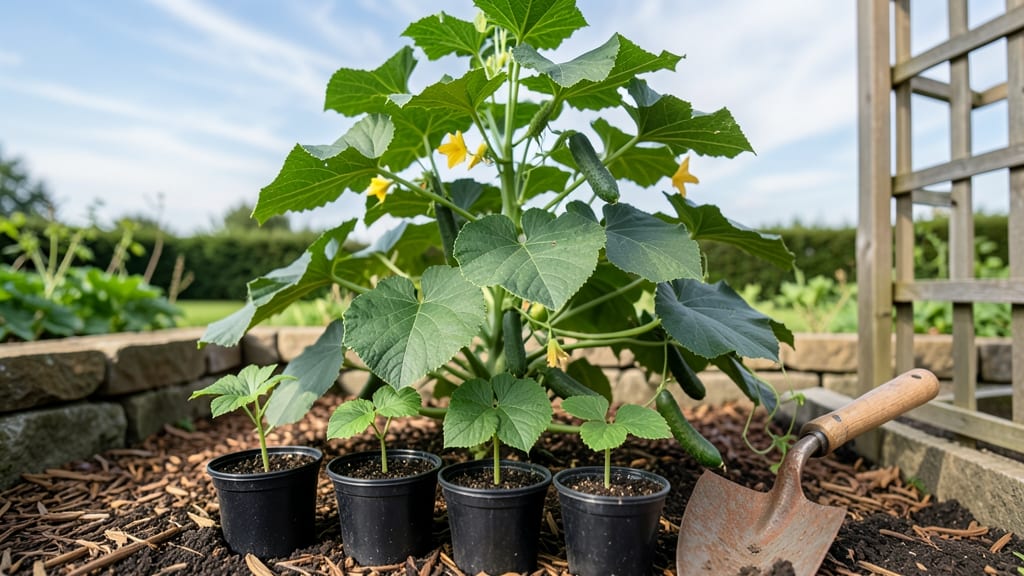
Planting cucumbers 🥒 in New Jersey isn’t just about grabbing seeds and sticking them in the dirt—it’s about timing your move perfectly to beat frost and summer heat. Get the window wrong, and you’ll either lose your plants to late frosts or watch them wilt under sweltering July sun.
I’ve learned the hard way that soil temperature matters just as much as the calendar. Waiting until the ground warms to at least 60°F (usually mid-April to mid-June) gives your cucumbers the best shot at thriving in NJ’s 6a-7a climate.
But here’s the catch: rushing too early can leave your plants vulnerable to those pesky spring freezes.
What if you could avoid the guesswork and plant with confidence? I’ll walk you through the exact frost-free timeline, soil prep tricks, and even how to use black plastic mulch to give your cucumbers a head start.
Whether you’re a first-time gardener or a seasoned green thumb, these tips will help you grow a bumper crop from June to September.
Ready to transform your backyard into a crisp, homegrown cucumber oasis? Let’s dive into the step-by-step guide that’s saved my plants—and my sanity—year after year.
Optimal planting timeline for cucumbers in New Jersey based on soil temperature
New Jersey's diverse climate means cucumber planting timing varies dramatically between North Jersey and South Jersey. While frost-free dates average April 15 statewide, soil temperature is the true deciding factor for successful germination.
Cucumbers need soil temps of 55°F+ to sprout reliably, with ideal conditions at 60°F or warmer. Understanding these thresholds helps you avoid both late frost damage and heat stress in summer.
Historical data shows North Jersey typically reaches 55°F soil temps by late April to early May, while South Jersey hits these marks 1-2 weeks earlier due to milder winters.
The USDA zones 6a-7a classification for NJ means gardeners must balance early planting risks with summer heat that can overwhelm young plants. My experience shows that mid-May planting offers the safest window for most of the state, but regional adjustments are key.
For North Jersey gardeners, the May 10-25 window provides the best balance between frost risk and heat tolerance.
I've found that planting bush varieties like 'Bush Champion' in late April under row covers can extend the season slightly, but always monitor nighttime temps—anything below 50°F can stunt growth.
In my Bergen County garden, I've had success using black plastic mulch to raise soil temps by 5-10°F, allowing earlier planting.
South Jersey offers more flexibility due to its warmer microclimate. Gardeners in Cape May or Atlantic City can often plant as early as mid-April if soil temps are stable. However, humidity levels in southern NJ can promote powdery mildew, so I recommend choosing disease-resistant varieties like 'Straight Eight' or 'Marketmore 76' for this region. My Cumberland County plots consistently yield better when planted by April 20 with drip irrigation to manage moisture.
One critical mistake I see NJ gardeners make is relying solely on air temperature rather than soil temperature. A 70°F day with 50°F soil will fail to germinate seeds properly. Use a soil thermometer ($10 at garden centers) to verify conditions—55°F+ at 2-inch depth is your minimum.
For container growing, soil warms faster, so you can plant 1-2 weeks earlier than in-ground gardens, but ensure pots have drainage holes to prevent rot in NJ's humid summers.
Extended frost-free season in NJ (typically 180 days) allows for succession planting. After your first harvest in early summer, I recommend sowing another batch by late June to extend production into September.
Choose heat-tolerant varieties like 'Lemon Cucumber' or 'Armenian Cucumber' for late-season planting—they handle 90°F+ temps better than traditional slicing types. Just be prepared to shade young plants during heatwaves
Step-by-step guide to planting cucumbers in NJ: when and how to start seeds vs. transplants
Deciding between direct sowing and transplanting cucumbers in New Jersey can make or break your harvest. My garden thrives when I time this right—here’s how I do it for maximum yield and healthy vines.
Whether you’re a first-time gardener or a seasoned pro, these steps will help you avoid common pitfalls like frost damage or poor germination.
New Jersey’s USDA Zones 6a-7a mean we have a short window to get cucumbers in the ground—typically between mid-April and mid-June. But don’t rush! Waiting for soil to warm to at least 60°F ensures strong roots and faster growth.
I’ve learned the hard way that cooler soil leads to stunted plants and lower yields.
🌱 Step-by-Step Planting Guide for Cucumbers in NJ
-
Step 1: Choose Your Method
Direct Sow: Plant seeds 2-3 weeks after last frost (typically mid-May in NJ). Transplants: Start seeds indoors 3-4 weeks before last frost (early April) or buy 6-inch seedlings from nurseries. -
Step 2: Prep Your Soil
Test soil pH (6.0-6.8 ideal). Amend with compost or aged manure for fertility. Use black plastic mulch to warm soil faster and suppress weeds. -
Step 3: Plant at the Right Depth
Seeds: 1 inch deep, 3-4 seeds per hill, spaced 12-24 inches apart. Transplants: Bury up to seed leaves to encourage root growth. -
Step 4: Add Support Early
Install trellises or cages at planting to save space and improve air circulation. Vining types need 5-10 feet of vertical support. -
Step 5: Water Deeply & Mulch
Water 1-2 inches per week, keeping soil moist but not soggy. Apply 2-3 inches of mulch (straw or grass clippings) to retain moisture. -
Step 6: Companion Plant for Success
Pair cucumbers with bush beans, radishes, or marigolds to deter pests. Avoid planting near potatoes or sage, which stunt growth. -
Step 7: Monitor & Maintain
Watch for powdery mildew (common in NJ humidity). Prune yellow leaves and fertilize lightly with 10-10-10 every 4-6 weeks.
For direct sowing, I swear by black plastic mulch—it speeds up soil warming by 10-15°F, giving my cucumbers a head start. If you’re transplanting, harden off seedlings for 7-10 days before moving them outside.
I’ve found that bush varieties like ‘Bush Champion’ thrive better in NJ’s tighter spaces, while vining types need more room to sprawl.
Don’t forget companion planting! My garden’s bush beans and marigolds act as natural pest deterrents, reducing the need for chemicals. I’ve also noticed that radishes planted nearby help loosen the soil, giving cucumber roots more room to grow.
Just avoid planting near potatoes—they compete for nutrients and can stunt your cucumbers.
After planting, keep an eye on soil moisture. Cucumbers need consistent watering, especially during NJ’s hot, humid summers. I water deeply in the morning to prevent fungal diseases like powdery mildew, which loves damp leaves.
A drip irrigation system works best—it delivers water right to the roots without wetting the foliage.
With these steps, you’ll be harvesting crisp, homegrown cucumbers by late June or early July. My garden’s yield has doubled since I started following this routine—no more wilted vines or underwhelming harvests! 🥒