
Planting
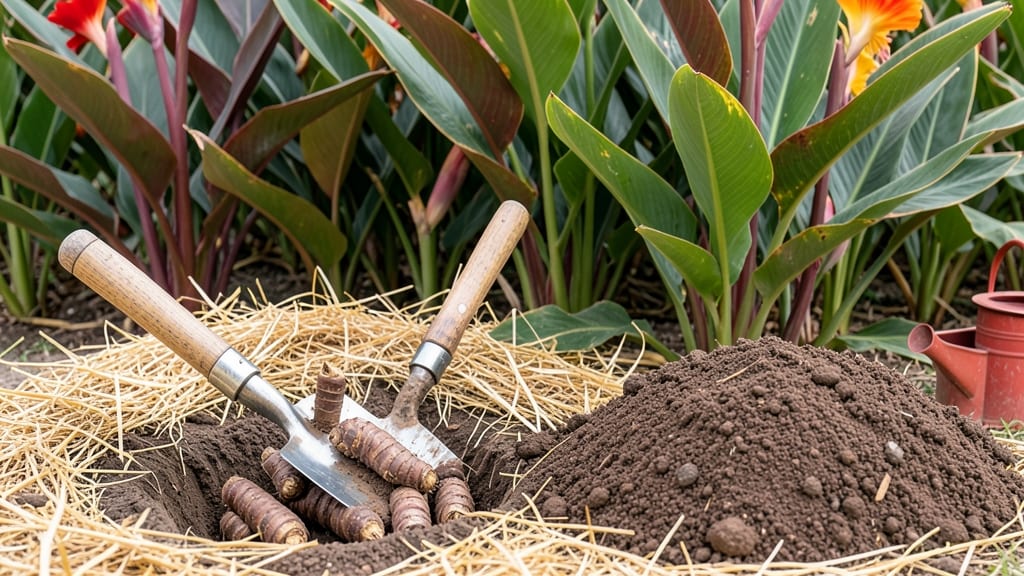
Planting your Canna Lily 🌸 bulbs at the wrong time in spring could mean waiting all season for those stunning tropical blooms—or worse, watching them wither before they even sprout.
The secret to success isn’t just waiting for spring; it’s knowing exactly when your local climate says "go," and that timing depends on more than just the calendar.
In Zone 6a, where frost lingers until mid-April, rushing to plant canna bulbs too early is a recipe for disaster.
These heat-loving plants need soil temperatures to hit at least 60°F before they’ll thrive, and that usually means waiting until after your last frost date—typically late April or early May.
But if you live in warmer zones like Florida or California, the rules shift entirely, and planting too late could mean missing the optimal growing window.
I’ve learned the hard way that soil readiness is just as critical as the date on your calendar. Cold, damp earth will smother your canna bulbs before they even get a chance to grow, while warm, well-drained soil gives them the perfect launchpad for 5-7-foot tropical giants.
Let me walk you through the exact signs to watch for—and the common mistakes that could sabotage your garden before the first bloom appears.
Whether you’re a first-time gardener or a seasoned pro, getting this step right is the difference between a vibrant summer display and a season of frustration.
Stick with me, and I’ll show you how to time it perfectly for your zone, prep your soil like a pro, and avoid the pitfalls that trip up even the most experienced gardeners.
Heat zone guidelines for planting canna bulbs after last frost
Planting canna bulbs at the right time is all about understanding your USDA heat zone and local frost patterns. Cannas thrive in zones 5-11, but their planting window varies wildly—from March in Florida to June in northern states.
The key is waiting until the soil temperature consistently stays above 60°F and all frost risk has passed.
In cooler zones (5-7), cannas are often treated as annuals because they can't survive winter freezes. But in warmer zones (8-11), they can become perennial powerhouses with proper care.
Let's break down the exact timing for each zone so you can plant with confidence and avoid frost damage.
🌱 Pro Tip: Use your average last frost date as a starting point, then add 2-4 weeks to ensure soil warmth. For example, if your last frost is April 15, wait until May 1 before planting in zone 6.
| USDA Heat Zone | Ideal Planting Window | Frost-Free Date Target | Soil Temp Threshold | Notes |
|---|---|---|---|---|
| Zones 5-6 | Late May to early June | After May 15 | 60°F+ consistently | Treat as annual; dig tubers before first frost |
| Zones 7-8 | April to early May | After April 1 | 60°F+ consistently | Can overwinter in mild winters with mulch |
| Zones 9-10 | February to March | After January 15 | 55°F+ consistently | Perennial; plant early for summer blooms |
| Zone 11 | Year-round (best in spring) | No frost risk | 50°F+ minimum | Tropical climate; plant anytime |
| California (Coastal) | March to April | After March 1 | 60°F+ consistently | Cooler coastal areas need later planting |
| Florida (Subtropical) | January to February | No frost risk | 55°F+ minimum | Plant early for summer-long blooms |
If you're in zone 5-7, consider starting cannas in biodegradable pots 4-6 weeks before your target planting date. This gives them a head start and reduces transplant shock.
For zones 8-11, you can plant directly into the ground as soon as soil is workable, often as early as January or February.
🌡️ Regional Exceptions: California's coastal zones (like San Francisco) have later planting windows than inland areas due to cooler ocean breezes. Meanwhile, Florida and Southern California can plant year-round, but spring planting yields the most vibrant blooms.
For container gardening, adjust your timing by 2-3 weeks earlier than in-ground planting. Containers warm up faster in spring, so you can often plant cannas 3-4 weeks before your zone's ideal window. Just ensure your pots have drainage holes to prevent root rot.
After planting, monitor your cannas for new growth within 2-3 weeks. If you see yellowing leaves or stunted growth, it may signal cold soil or frost damage. In that case, add a thick mulch layer (3-4 inches) to insulate roots and protect against late frosts.
🌿 Final Tip: Use a soil thermometer to confirm temperatures before planting. Cannas won't sprout until soil reaches 60°F, and planting too early can lead
5 Signs your soil is ready for canna bulbs (and when to wait)
Planting canna bulbs too early is like inviting frost to a tropical party—it’s a disaster waiting to happen. These heat-loving beauties need warm soil and consistent moisture to thrive. But how do you know when your garden is finally ready? Look for these 5 clear signs before you dig in.
First, check your soil temperature—it must reach at least 60°F at a depth of 4 inches. Use a soil thermometer for accuracy, especially if you’re in a cooler zone. Canna bulbs are tropical divas and won’t tolerate cold soil, which can stunt growth or even kill them outright.
Next, observe weed activity in your garden beds. If weeds like dandelions or crabgrass are sprouting vigorously, your soil is warming up. These hardy weeds are nature’s way of telling you it’s safe to plant. Just be sure to pull them before they compete with your cannas for nutrients.
Here’s your actionable checklist to confirm your soil is ready for canna bulbs:
-
Soil temp: 60°F+
Use a thermometer to confirm warmth at 4-inch depth. Cold soil = stalled growth.
-
Weeds sprouting
Vigorous weed growth signals soil warmth and moisture—ideal for cannas.
-
Moist but not soggy
Press soil—it should hold shape but not be sticky. Canna roots need aeration.
-
Last frost passed
Check local frost dates—planting before the last frost is a one-way ticket to failure.
-
No more frost warnings
Even a light frost can damage emerging canna shoots. Wait until the coast is clear.
Don’t ignore moisture levels—stick your finger into the soil. It should feel damp but not waterlogged. Canna bulbs hate soggy conditions, which can lead to root rot. If your soil is bone-dry, give it a deep watering 24 hours before planting to help the bulbs settle in smoothly.
Finally, trust your local climate cues. If your neighbors’ tomatoes or peppers are already thriving, it’s likely safe to plant cannas. These plants share similar warmth requirements, so they’re reliable indicators.
When in doubt, wait another week—your cannas will thank you with lush foliage and dramatic blooms all summer long.
Once you’ve checked all five signs, grab your gloves and get planting! With the right timing, your canna bulbs will reward you with bold, tropical blooms that turn heads in any garden. 🌸