
Plants
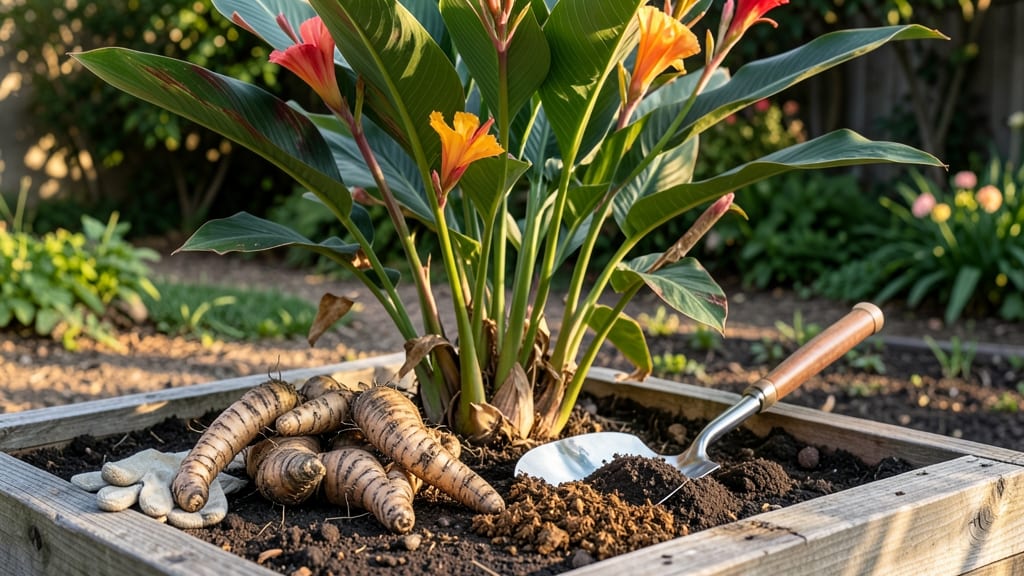
Timing when to plant canna bulbs in Kansas perfectly isn’t just about luck—it’s about matching these tropical beauties to your local heat zones for bold, reliable blooms all summer.
Skip the guessing game and plant too early, and you risk frost damage; wait too long, and you’ll miss the 120-150-day growing window these plants need to reach their full, showstopping height.
Most Kansas gardeners in zones 5b-6b should aim for mid-to-late spring, but the exact date depends on where you live.
Northern regions like Topeka might wait until after May 15, while southern areas like Wichita can start as early as mid-April—as long as the soil stays above 60°F and the last frost is safely behind you.
Here’s the game-changer: soil temperature matters more than calendar dates. Use a soil thermometer to confirm it’s warm enough before planting those rhizomes 2-4 inches deep.
I’ll walk you through the exact steps to prep your bulbs, warm your soil, and avoid the common Kansas pitfalls that turn canna dreams into wilted disappointments.
Whether you’re a first-time gardener or a seasoned pro, these insights will help you grow taller, healthier Canna Lilies that thrive through Kansas’ summer heat. Let’s get those rhizomes in the ground the right way—once and for all.
Kansas heat zones explained: best planting months for canna bulbs
Kansas spans USDA zones 5-8, creating dramatic differences in when to plant canna bulbs. In northern zone 5, wait until late May after all frost risk passes, while southern zone 8 gardeners can plant as early as mid-April.
The secret? Matching planting windows to your last frost date and soil temperature.
Canna lilies thrive in warmth, so soil temperature matters more than calendar dates. Aim for 60°F+ soil before planting—use a soil thermometer to check. In zone 6-7, this typically aligns with mid-May, while zone 8 areas may see ideal conditions by early April.
Here's the critical timeline broken down by zone, including frost-free dates and ideal planting windows:
| USDA Zone | Last Frost Date | Ideal Planting Window | Soil Temp Requirement | Key Consideration |
|---|---|---|---|---|
| Zone 5 | Mid-May | Late May to early June | 60°F+ | Use row covers for late frosts |
| Zone 6 | Early May | Mid-May to early June | 60°F+ | Warm soil faster with black plastic |
| Zone 7 | Late April | Early to mid-May | 60°F+ | Plant near heat-retaining structures |
| Zone 8 | Mid-April | Early April to May | 55°F+ | Can plant earlier with mulch |
For zone 5 gardeners, consider starting canna bulbs indoors in late March to give them a head start. Place rhizomes in pots with moist potting mix and keep them in a warm spot until soil warms outside.
This 2-3 week head start helps compensate for Kansas' late spring frosts.
In southern Kansas (zones 7-8), you can plant canna bulbs as early as early April, but monitor nighttime temperatures. If frost threatens after planting, cover bulbs with frost cloth until danger passes. The key is soil warmth—cannas won't sprout until the ground reaches 60°F consistently.
Remember that canna bulbs are actually rhizomes, not true bulbs. They need well-draining soil to prevent rot, especially in Kansas' clay-heavy soils. Amend planting areas with compost or sand to improve drainage before planting. This is critical for preventing bulb rot during Kansas' variable rainfall.
After planting, maintain consistent moisture but avoid soggy soil. In zone 5, water deeply 2-3 times per week until established, while zone 8 areas may need watering only once weekly once roots develop. Mulch with straw or wood chips to retain moisture and regulate soil temperature.
For maximum blooms, fertilize canna lilies with a balanced 10-10-10 fertilizer every 4-6 weeks during the growing season. Start feeding when plants reach 12 inches tall and continue until late summer. This feeding schedule matches Kansas' growing season length of about 165 frost-free days.
Watch for color changes in canna foliage by late summer. When leaves turn yellow-brown and stems become woody, it's time to harvest rhizomes before first frost. In zone 5, this typically occurs in October, while zone 8 gardeners may have until November.
Dig up rhizomes, trim foliage, and store them in dry peat moss over winter.
Pro tip: Mark your planting dates and track which heat zone works best in your garden. Over time, you'll develop a personalized planting schedule that accounts for your specific Kansas microclimate. The right timing transforms canna lilies from tropical dreams to garden realities that thrive in Kansas summers. 🌺
How to prepare canna bulbs for Kansas’ unpredictable spring weather
Kansas’ spring weather can be as unpredictable as a whirlwind, leaving gardeners racing to get canna bulbs planted before late frosts strike. The secret to success? A little indoor prep work to give your canna rhizomes a head start.
By chitting bulbs and warming your soil, you’ll ensure those tropical beauties burst into bloom just in time for summer’s heat.
Start your canna bulbs indoors 4-6 weeks before your average last frost date—typically mid-April in most of Kansas. This early start helps them develop strong roots before facing the elements.
But don’t just toss them in the dirt! Proper prep means the difference between lush canna blooms and sad, stunted plants.
- 1 Chit the Bulbs Indoors: Place rhizomes in a shallow tray with moist peat moss or vermiculite. Store in a warm spot (70-75°F) until sprouts emerge (2-4 weeks). This jumpstarts growth and hardens the stems.
- 2 Warm the Soil: Use black plastic mulch or a soil warming mat to raise bed temperatures to at least 60°F. Cannas hate cold soil—this mimics their tropical roots’ ideal conditions. Test with a soil thermometer for accuracy.
- 3 Harden Off Gradually: Move potted rhizomes outdoors for 2-3 hours daily, increasing time over 10 days. Start with shade, then expose to morning sun only. This toughens stems for Kansas’ late spring frosts (which can hit as late as May).
- 4 Plant After Frost Risk: Wait until soil stays above 60°F for 7+ days (usually late May in northern Kansas, early May in southern regions). Plant rhizomes 2-4 inches deep, 12-18 inches apart, in well-draining soil amended with compost.
- 5 Protect from Late Frosts: Cover young plants with frost cloth if nighttime temps dip below 50°F. Cannas can survive brief frosts, but new growth is vulnerable. Remove covers by midday to avoid overheating.
Don’t skip the hardening-off phase—it’s the bridge between indoor coziness and Kansas’ unpredictable winds. Rush this step, and your cannas might flop over like a wilting sunflower. Instead, take your time, and you’ll reward yourself with bold, tropical blooms that outshine even the sunniest summer days.
Once planted, keep an eye on your canna lilies for the first few weeks. They’ll need consistent moisture but hate soggy soil—Kansas’ clay-heavy dirt can trap water, so amend with organic matter if your soil feels dense.
With this prep, your cannas will thrive even if Mother Nature throws a curveball.
Pro tip: Mark your calendar for October 15, Kansas’ average first frost date. That’s when you’ll dig up and store your rhizomes for next year’s even more spectacular display—because once you’ve grown cannas, you’ll never want to stop!