
Plants
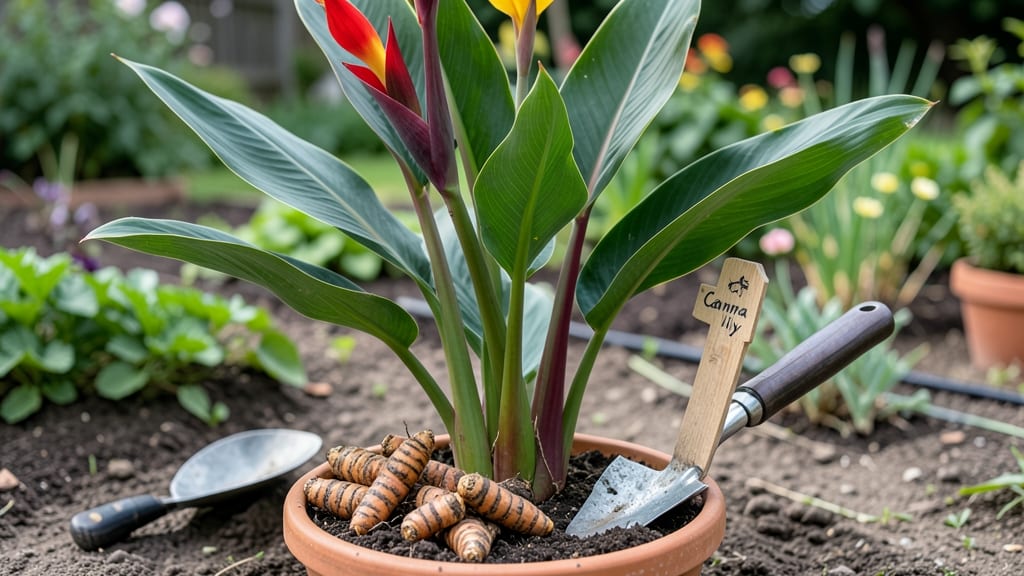
Planting canna bulbs 🌺 in Missouri at the wrong time means risking frost damage or stunted growth—so timing is everything for those showstopping tropical blooms. Whether you're in northern 5b or southern 6b Missouri, the mid-April to early June window gives your cannas the perfect head start after last frost.
Missouri's unpredictable spring weather makes this a game-changer—waiting until soil reaches 60°F ensures your cannas thrive, not just survive. I'll show you exactly how to read your local frost risk and adjust planting dates to match your microclimate, whether you're in St. Louis or Kansas City.
Even if you treat cannas as annuals (which many gardeners do), proper timing extends their lifespan and blooming period. We'll cover pre-planting prep like soil amendments and bulb storage tips to keep your cannas healthy from the first spade in the ground.
Ready to transform your garden with bold, heat-loving cannas? Let's dive into the exact steps to plant them at the perfect moment for maximum impact and longer-lasting blooms all summer long.
Best months to plant canna bulbs in Missouri (with frost risk zones)
Missouri gardeners know timing is everything when planting tropical beauties like canna lilies. These heat-loving plants thrive in our humid summers but need precise planting windows to avoid frost damage.
In Missouri's USDA Zones 5b-6b, your exact planting month depends on whether you're in northern Missouri (cooler springs) or southern Missouri (warmer microclimates).
Canna bulbs should only be planted after your last frost date when soil temperatures consistently reach 60°F or warmer. Northern Missouri typically waits until mid-May, while southern regions can start as early as late April. This difference means a 4-6 week planting window shift between regions.
Here's your Missouri-specific planting timeline with frost risk zones included:
For northern Missouri gardeners, I recommend waiting until after May 15 to plant canna bulbs. The 10-year average last frost date in St. Louis is May 1, but late frosts can occur through mid-May. Use row covers if you plant early to protect tender shoots.
In southern Missouri, you can start planting as early as late March in microclimates like the Bootheel region. These areas experience earlier soil warming and fewer frost events. However, always check your local frost date records—some years can be 10 days earlier or later than average.
If you're unsure about your exact frost risk, I suggest using canna bulbs in containers for the first year. This gives you flexibility to move plants indoors if unexpected late frosts threaten. Containers also help with drainage issues common in Missouri's clay-heavy soils.
For extended blooming seasons, consider planting canna bulbs in late May even in southern regions. This delayed planting often results in later, more robust blooms that last through October's first frost. The trade-off is slightly smaller initial growth, but the longer flowering period makes it worthwhile.
Remember that canna lilies are tender perennials in Missouri—they won't survive winter outdoors. Treat them as annuals or dig up and store rhizomes after the first frost. This gives you complete control over your planting timeline each spring.
Pro tip: Use a soil thermometer to verify temperatures before planting. Canna bulbs won't sprout until soil reaches 60°F consistently for at least 5 days. This tool prevents wasted effort on too-early planting that can lead to rot.
🌺
How to prepare canna bulbs for Missouri’s climate before planting
Missouri’s unpredictable spring weather can turn your canna bulbs into a gamble if you’re not prepared. To ensure those vibrant tropical blooms thrive, proper pre-planting prep is key.
Whether you’re planting in-ground or containers, these steps will help you beat frost risks and heavy clay soils that plague many Missouri gardens.
First, check your soil temperature—cannas need at least 60°F soil to sprout successfully. Use a soil thermometer to confirm readiness, especially in northern Missouri where frosts linger later. If your soil is still cold, consider starting bulbs indoors in pots or a greenhouse for a head start.
Step-by-Step Pre-Planting Prep for Canna Bulbs
-
1. Inspect and Prep Bulbs
Check for soft spots or mold. Trim any damaged areas with sterilized pruners and let bulbs dry in a warm, shaded spot for 1-2 days. -
2. Chit the Bulbs (Optional)
Place bulbs eyes-up in a tray with sphagnum moss or paper towels. Keep in 70-75°F warmth for 2-3 weeks to encourage early sprouting. -
3. Amend Heavy Clay Soil
Mix in 3-4 inches of compost or aged manure to improve drainage. Cannas hate soggy roots—add perlite or sand if your soil is dense. -
4. Choose Planting Location
For in-ground planting, pick a sunny, sheltered spot (south-facing walls help delay frost). Containers need drainage holes and 1-gallon pots minimum. -
5. Protect from Late Frosts
Use row covers or black plastic mulch to warm soil. In Zone 5b areas, wait until May 15 to plant outdoors. -
6. Plant at Correct Depth
Bury bulbs 2-3 inches deep, with eyes facing up. Space 18-24 inches apart for full-size varieties.
If you’re planting in containers, opt for terracotta or fabric pots to prevent root-bound stress. Fill the bottom ⅓ with gravel or broken pottery for drainage, then use a lightweight potting mix blended with orchid bark to mimic their tropical roots’ needs.
Missouri’s humid summers can also bring fungal risks, so avoid overhead watering. Instead, use a soaker hose or drip irrigation to keep foliage dry. Mulch with straw or pine needles to retain moisture and suppress weeds—just keep mulch 2-3 inches away from stems to prevent rot.
Pro tip: Mark your planting date on a calendar and plan to harvest rhizomes after the first frost (typically mid-October in Missouri). Dig them up, trim foliage, and store in dry peat moss at 40-50°F until next spring.