
Plants
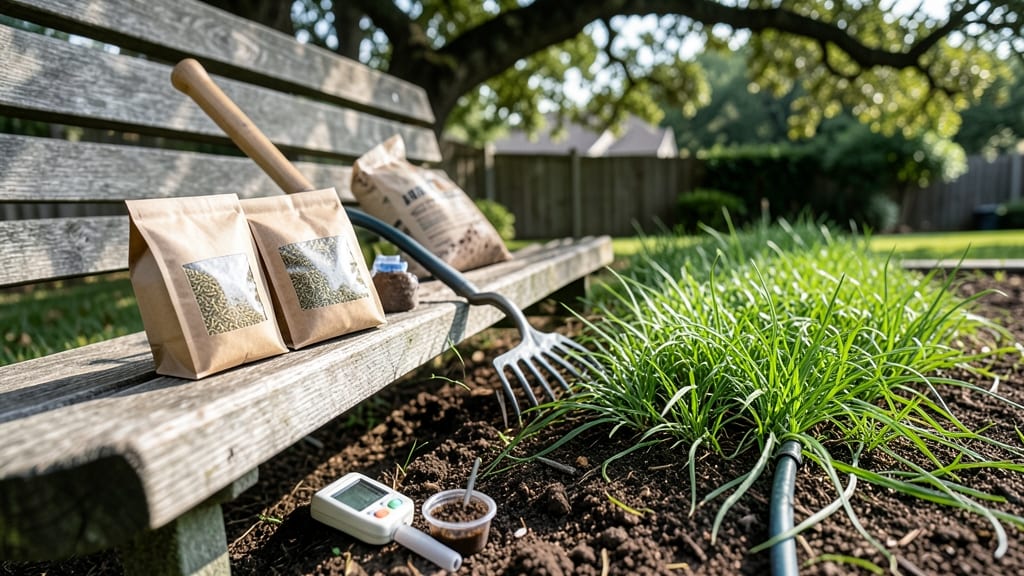
Timing your Bermuda Grass seed planting in North Carolina isn't just about picking a date—it's about unlocking a fast germination process that sets your lawn up for success.
With soil temperatures and regional microclimates playing critical roles, planting too early or late can mean the difference between a vibrant lawn and months of frustration.
For most of North Carolina's 7a-8b zones, the ideal window stretches from late April to early June, but there's more to it than just the calendar.
The secret lies in waiting until the soil reaches at least 65°F—a temperature that signals the perfect balance of warmth and moisture for those tiny seeds to sprout.
I've seen firsthand how a few extra weeks of patience can transform a struggling lawn into a lush carpet of 🌱 Bermuda Grass. Whether you're in the coastal plains or the mountain regions, understanding these nuances is the key to faster germination and a healthier lawn from day one.
Let's dive into exactly how to check your soil temperature, adjust for North Carolina's unpredictable spring weather, and avoid common mistakes that derail even the best-laid lawn plans. Your perfect lawn starts with getting the timing right—and I'll show you exactly how.
North Carolina’s best planting windows for Bermuda grass seed by region
North Carolina’s diverse climate means your Bermuda grass seed planting window depends heavily on where you live.
Coastal areas like Wilmington and Morehead City have milder winters, while the Piedmont’s Raleigh-Durham and the Mountains’ Asheville face cooler temperatures. Planting too early risks frost damage, while waiting too long may delay germination until summer heat stress sets in.
Let’s break down the ideal planting windows for each region, including soil temperature benchmarks and regional climate tips.
Bermuda grass thrives when soil temperatures consistently reach 65–75°F at a 4-inch depth. This warmth triggers germination and root establishment. In North Carolina, these temperatures typically arrive 4–6 weeks after the last frost date, but regional variations mean your exact window could shift by 3–4 weeks.
For example, coastal areas warm faster than mountain regions due to Atlantic Ocean influences and lower elevations.
Here’s how to match your location to the perfect planting window, along with soil temperature targets and climate considerations for each region:
| Region | Best Planting Window | Soil Temp for Germination | Key Climate Factors |
|---|---|---|---|
| Coastal NC (Zones 8a-8b) | April–June | 65–75°F (achieved by mid-April) | Humid, warm winters; avoid planting after June due to summer drought risk. |
| Piedmont (Zones 7a-7b) | May–July | 65–75°F (achieved by late May) | Moderate humidity; plant by July 1 to avoid late-summer heat stress. |
| Mountains (Zones 6a-7a) | June–August | 65–75°F (achieved by early June) | Cooler nights; plant by August 15 to ensure root establishment before fall. |
For Coastal NC gardeners, the window opens earliest—typically by mid-April—thanks to the ocean’s warming effect. Planting in late May or June still works, but you’ll need to water deeply 2–3 times weekly to combat summer drought.
I’ve seen coastal lawns establish beautifully when seeded in early May, with 60–70% germination rates if soil stays moist.
In the Piedmont region, where cities like Raleigh and Charlotte sit, aim for late May to early July. This area’s hot, dry summers demand extra attention to mulching and irrigation.
I recommend testing soil moisture weekly—if the top 2 inches dry out, water immediately. June plantings often perform best because the soil retains enough warmth without extreme heat.
The Mountain region, including Asheville and Boone, has the latest planting window due to cooler springs. Start no later than mid-June to give seedlings time to root before fall’s first frost.
Here, shade from surrounding trees can delay soil warming, so choose south-facing slopes for optimal sun exposure. I’ve had success planting in early July with drip irrigation systems to maintain moisture.
Regardless of region, avoid planting Bermuda grass seed in fall—it’s not cold-hardy enough for North Carolina’s winters. Instead, focus on spring or early summer plantings. If you miss the window, consider sod instead of seed, as established sod handles heat and drought better.
For coastal areas, late June plantings can still work with shade cloth to protect young seedlings from intense sun.
Pro tip: Use a soil thermometer to confirm temperatures before planting. Bury it 4 inches deep and check readings at 10 AM daily for consistency. If temps dip below 65°F at night, delay planting by 1–2 weeks.
I’ve saved many a lawn by waiting just a little longer for the perfect conditions.
Remember, Bermuda grass is aggressive once established, but it needs the right start. Follow your region’s window, monitor soil temps, and keep seedlings hydrated. With the right timing, you’ll have a dense, drought-resistant lawn by late summer—ready to handle North Carolina’s heat and humidity with ease. 🌱
Soil temperature checklist: how to Test and time planting for maximum germination
Bermuda grass seed thrives when planted in warm soil, but cool nights can stall germination. The key is monitoring 24-hour soil temperatures—not just surface temps—because early mornings often show misleading readings.
In North Carolina, 65°F (18°C) is the minimum for seed activation, but 70-75°F (21-24°C) ensures faster, more reliable sprouting.
Don’t rely on air thermometers or guesswork. A soil thermometer (like the Thermopro TP-11) gives accurate underground readings. Insert it 2-3 inches deep, where seeds will germinate, and check daily for 7 consecutive days. This accounts for NC’s unpredictable spring swings between warm days and chilly nights.
- 1 Test soil temp at 2-3 inches deep using a soil thermometer for 7 days. Record morning and evening readings.
- 2 Wait for 65°F+ for 4+ hours daily. Coastal NC hits this by mid-April, while Mountains wait until June.
- 3 Adjust planting if 7-day forecast predicts below 60°F nights. Delay by 1-2 weeks to avoid seedling shock.
- 4 Plant in late afternoon on cloudy days to reduce heat stress on newly sown seeds.
- 5 Mulch lightly with straw (not grass clippings) to retain moisture and stabilize temps during germination (10-21 days).
North Carolina’s three distinct climate zones complicate timing. Coastal areas like Wilmington can plant as early as late April, while the Blue Ridge Mountains may need to wait until mid-June.
Use the NC State Extension’s frost maps to cross-reference your zone with soil temps—this combo predicts success better than dates alone.
If your 7-day forecast shows unseasonable cold snaps, delay planting. Bermuda grass seeds won’t germinate below 55°F (13°C), and seedlings can’t survive below 50°F (10°C).
Pro tip: Cover new seedlings with frost blankets if a light freeze is predicted—this buys you 1-2 extra weeks of growing time before winter sets in.
Once your soil hits consistent 70°F+ and stays there, Bermuda grass seeds will sprout in 7-14 days. Keep the soil moist but not soggy (water 1 inch per week) and avoid heavy foot traffic until the lawn is fully established (about 6-8 weeks