
Plants
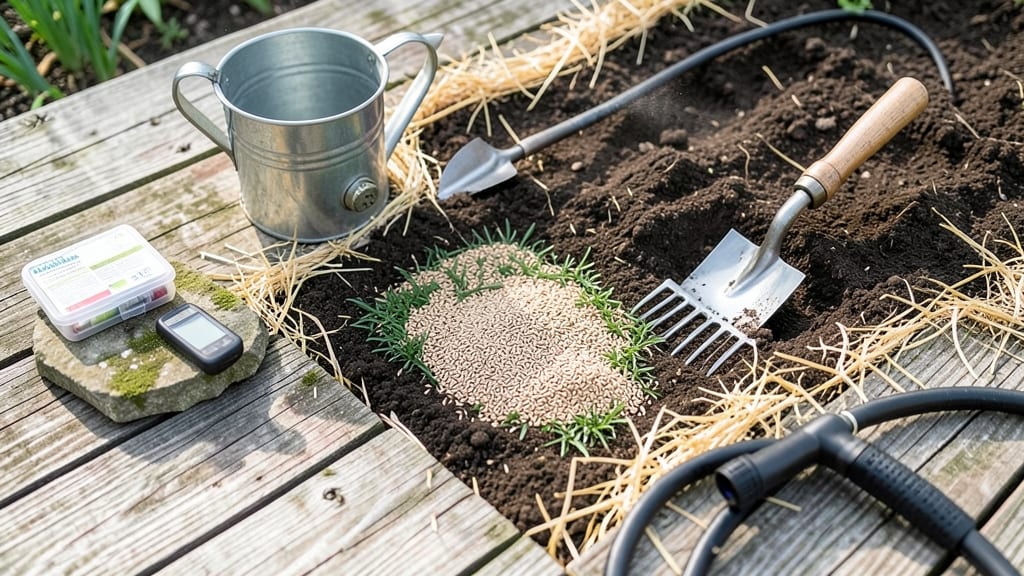
Planting grass seed at the wrong time in spring could leave you staring at bare soil all summer—so knowing your USDA zone’s frost-free deadline is the first step to a thick, vibrant lawn.
The ideal window is 4-6 weeks before your last frost date, but timing varies wildly depending on whether you’re in chilly Zone 3 or mild Zone 10.
For most gardeners in Zone 6a (like me!), that means planting in early April—when soil temperatures hit at least 50°F and the threat of frost has passed.
But here’s the catch: cool-season grasses like Kentucky bluegrass need that early start, while warm-season types like Bermuda grass prefer late spring when the ground is warmer.
Miss the window, and you’ll face slow germination, weeds taking over, or seed washing away in heavy rains. I’ll walk you through how to check soil temps, adjust for your local climate, and even troubleshoot common mistakes—so you can skip the guesswork and get that 🌱 green carpet growing strong.
Whether you’re seeding a new lawn or overseeding an old one, getting the timing right saves time, money, and frustration. Let’s dive into the exact deadlines and prep steps tailored to your zone—so you can finally stop second-guessing and start planting with confidence.
USDA Zone-specific spring grass seed planting deadlines
Getting your grass seed in the ground at the right time is everything—plant too early and frost will kill your tender sprouts, too late and summer heat stresses young roots. The key is knowing your USDA zone and when your last frost typically occurs.
For cool-season grasses like Kentucky bluegrass and fescue, aim for 4-6 weeks before your last frost date—this gives seedlings time to establish before summer heat arrives.
Warm-season grasses like Bermuda and Zoysia, however, need to wait until soil temperatures hit 65°F+, usually after your last frost. Missing these windows means slower germination, weaker roots, and a lawn that struggles to fill in.
Let’s break down the exact planting deadlines by zone so you can avoid these common pitfalls.
Pro Tip: Check your local Almanac’s frost dates—they can vary by 1-2 weeks from USDA averages. For example, coastal areas in Zone 8 might have frost-free dates in mid-February, while inland areas could see frost until mid-April. Always confirm with a soil thermometer (50°F+ for cool-season, 65°F+ for warm-season).
In Zones 3-4, where winters are harsh, cool-season grasses like tall fescue should hit the soil by mid-April at the latest. The window is tight—planting after May 1 risks summer drought stress before roots establish.
Meanwhile, warm-season grasses in these zones can wait until late May, when soil warms to 65°F+.
For Zones 5-6, early spring is your best bet—seed Kentucky bluegrass by March 31 to give it a head start before summer. If you’re in Zone 7-8, you’ve got flexibility: plant cool-season grasses as early as mid-February or wait until March if your soil stays cold.
Warm-season grasses here can go in as early as late March, but monitor soil temps closely.
In Zones 9-10, where frost is rare, you can plant cool-season grasses almost year-round—but aim for January-February to avoid summer heat. Warm-season grasses like Bermuda thrive when planted in February-March, as soil temperatures rise steadily.
Zone 11 gardeners? You’re in luck—plant anytime except during the hottest months (June-August) when germination slows.
Regional Note: Coastal areas (e.g., San Diego, Zone 10) may have frost-free winters, while inland deserts (e.g., Phoenix, Zone 10) can still see light frosts. Always check microclimates—south-facing slopes warm faster than shaded yards. Use a soil thermometer to confirm readiness before seeding.
Missed the spring window? Don’t panic—early fall (4-6 weeks before first frost) is the second-best time for cool-season grasses. Warm-season grasses, however, cannot be planted in fall—they go dormant and won’t survive winter. Plan ahead to avoid last-minute rushes!
How to adjust planting timing for your local climate
Your USDA zone gives you a starting point, but local climate factors like soil temperature and rainfall patterns often dictate the real best time to plant grass seed in spring.
For example, a cooler microclimate in Zone 7 might allow earlier planting than the official frost-free date suggests, while a dry, sunny pocket could require delaying seeding to avoid drought stress.
Beyond frost dates, pay attention to soil warmth—most cool-season grasses need soil temps between 50-65°F (10-18°C) to germinate. Use a soil thermometer to confirm readiness, especially if your spring is unpredictable.
In Southern states (Zones 8-11), warm-season grasses like Bermuda or Zoysia thrive when soil hits 65-75°F (18-24°C), often delaying planting until late spring.
⚠️ callout warning
⚠️ Avoid These Spring Planting Mistakes
- Planting too early when soil is still cold or wet—seeds rot before germinating.
- Ignoring rainfall forecasts—planting before predicted dry spells risks seed desiccation.
- Skipping soil prep in microclimates with hardpan—compaction blocks root growth.
Pro Tip: Check your local extended weather forecast 2 weeks before planting to align with steady moisture.
Microclimates—like south-facing slopes or shaded valley floors—can shift planting windows by 2-4 weeks. Test your yard’s unique conditions by planting a small test patch 1-2 weeks before your target date. If the test area shows uniform germination within 10-14 days, your yard is ready for full seeding.
Adjust for rainfall patterns: In dry climates (e.g., Southwest US), plant during winter rains (late fall/early spring) to leverage natural moisture. In humid regions (e.g., Pacific Northwest), prioritize dry, mild spells to prevent fungal diseases like dollar spot.
Don’t overlook wind exposure—seeds in open areas may blow away before sprouting. Use a straw mulch or jute netting to anchor seeds if your yard is windy.
For urban gardeners, heat from pavement can create microclimates 5-10°F warmer than surrounding areas, so plant 1-2 weeks later near sidewalks or driveways.
Fine-tune your timing by monitoring grass growth stages: Aim for 4-6 weeks of growth before summer heat arrives. In Northern Zones (3-5), this means planting by mid-April; in Southern Zones (8-10), wait until May-June for warm-season grasses.
Use a gardening journal to track your yard’s ideal window year after year.