
Plants
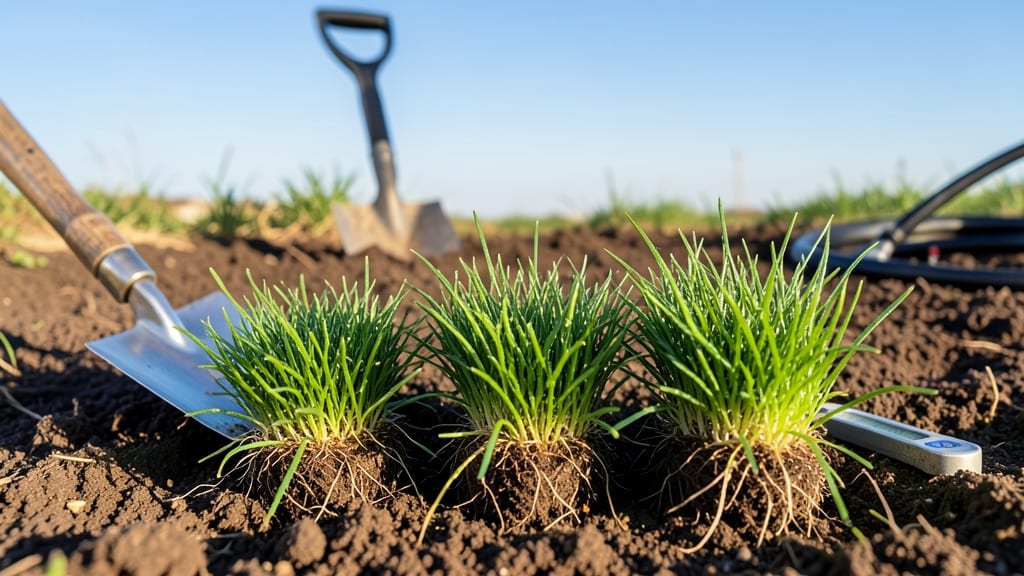
Planting Bermuda grass 🌱 at the wrong time in Mississippi can mean struggling with weak growth or battling weeds all summer long—so timing is everything. With the state’s 8a climate and brutal heat, getting it right means your lawn will thrive instead of fight for survival.
Most gardeners in Mississippi know spring is the prime window, but the exact months matter more than you’d think.
Whether you’re in the north or south part of the state, planting too early risks frost damage, while waiting too late could leave your grass struggling to establish roots before summer’s scorching temperatures take over.
I’ve helped Mississippi homeowners transform their yards by mastering the fastest way to establish Bermuda grass—without the guesswork. In this guide, I’ll break down the perfect planting windows, soil prep secrets, and care tips tailored to Mississippi’s unique climate.
Ready to skip the trial-and-error? Let’s get your lawn off to a strong start with the right timing and techniques for your specific zone.
Best planting months for Mississippi’s Bermuda grass heat zones
Mississippi’s USDA zones 7-8 create two distinct planting windows for Bermuda grass—North Mississippi’s cooler springs delay ideal timing, while South Mississippi’s earlier warmth allows earlier starts. Timing your planting right ensures strong root establishment before summer’s brutal heat. The key? Wait for soil temperatures to hit 70°F+ consistently.
For Northern Mississippi (counties like DeSoto, Marshall, and Panola), aim for April through early May. This timing avoids late spring frosts (common until March 15 in these areas) while giving your grass 6-8 weeks to establish before summer’s peak.
Southern regions like Hattiesburg, Biloxi, and Gulfport can start as early as late February to April, thanks to their milder winters.
Here’s the non-negotiable rule: Never plant when nighttime temps drop below 55°F. Bermuda grass is a warm-season grass that won’t germinate or thrive in cooler conditions. Use a soil thermometer ($10 at garden centers) to verify temperatures before planting—65°F+ is your green light.
Mississippi’s humidity and heat also demand strategic planning. Planting too early risks fungal diseases (like brown patch) from prolonged damp soil, while late planting leaves grass vulnerable to weed competition as summer approaches. Balance is everything.
Pro tip: Check your local Cooperative Extension Service (e.g., MSU Extension) for your county’s last frost date. For example, Jackson’s average last frost is March 20, while Vicksburg’s is March 10—a 10-day difference that matters for timing.
If you’re planting Bermuda grass seed, opt for hybrid varieties like Tifway 419 or TifGrand, which are bred for Mississippi’s heat and humidity. These varieties establish 20–30% faster than standard types.
For sod or sprigs, choose dwarf Bermuda if you want a lower-maintenance lawn (1–1.5 inches tall) or common Bermuda for a denser, wear-resistant turf.
Mississippi’s summer heat (often exceeding 90°F for months) means your grass must establish roots before June 1. After that, high temps and drought stress make new plantings struggle.
Plan ahead: If you miss the spring window, your only other chance is late August to early September for a fall establishment—though this is riskier due to hurricane season and shorter growing days.
One common mistake? Planting too late in May and expecting summer rains to carry the day. Bermuda grass needs consistent moisture during establishment—1 inch per week—and Mississippi’s intermittent summer showers won’t cut it.
Invest in a drip irrigation system or soaker hoses to maintain even moisture until roots reach 4–6 inches deep.
For coastal Mississippi (e.g., Biloxi, Pascagoula), add salt tolerance to your considerations. Plant salt-tolerant varieties like Sahara if your lawn borders saltwater or gets road salt runoff from nearby highways. These types handle moderate salinity better than standard Bermuda.
Finally, mark your calendar for June 1—this is your final deadline for spring planting in most of Mississippi. After this date, new Bermuda grass struggles to establish before summer’s intense heat and drought.
If you wait until July, you’re essentially gambling with your lawn’s success. Plan now, plant early! 🌱
How to prepare Mississippi soil for Bermuda grass success
Mississippi’s clay-heavy soils and high humidity create the perfect storm for poor Bermuda grass establishment if not prepped correctly. The key? Loosening compacted soil, balancing pH levels (6.0–7.0), and outsmarting weeds before planting.
Skipping these steps means battling thatch buildup and nutrient competition all season long. Let’s fix that with a science-backed routine tailored to your yard’s unique challenges.
Start by testing your soil’s pH—most Mississippi lawns sit too acidic for Bermuda grass. Aim for a 6.0–7.0 range using a home test kit or lab analysis. If your soil tests below 6.0, apply pelletized lime 2–3 months before planting.
For sandy soils (common in South MS), mix in composted organic matter to retain moisture and nutrients. Northern MS’s clay soils? Gypsum helps break up compaction while improving drainage.
🌱Step-by-Step Soil Prep for Bermuda Grass🌱
- Test & Adjust pH
- Use a soil test kit to check pH
- Apply pelletized lime (if pH < 6.0) 2–3 months pre-plant
- For alkaline soils, add sulfur gradually
- Loosen Compacted Soil
- Till 4–6 inches deep with a rototiller
- Break up clay clumps with a rake
- Add 2–3 inches of compost for organic matter
- Pre-Emergent Herbicide
- Apply pre-emergent herbicide 2 weeks before planting
- Target crabgrass and nutsedge (MS’s worst weeds)
- Follow label rates—overapplying harms Bermuda grass
- Level & Irrigate
- Rake soil to a smooth, even surface
- Water deeply 1–2 days before planting for seed/sod
- Ensure 1 inch of moisture in top 6 inches of soil
Don’t overlook weed control timing—this is where Mississippi gardeners often fail. Apply a pre-emergent herbicide like pendimethalin 2 weeks before planting to block weeds without harming Bermuda grass seeds. For existing weed patches, spot-treat with glyphosate 4 weeks pre-plant, then reapply pre-emergent. Pro tip: Mow high (3–4 inches) after planting to shade out weeds naturally.
After prepping, schedule deep watering sessions to encourage root growth. Bermuda grass needs 1–1.5 inches of water weekly during establishment, but avoid overhead sprinklers—they promote disease.
Use soaker hoses or drip irrigation to deliver water directly to roots. In Mississippi’s heat, morning watering (6–9 AM) minimizes evaporation and fungal risks.
One final trick: Overseed with ryegrass in fall if planting in spring. This cool-season cover crop suppresses weeds, improves soil structure, and provides a green buffer until Bermuda grass fills in.
Just mow it down in early spring before Bermuda’s active growth phase begins. Your lawn will thank you with thicker, healthier turf from day one.
☀️ With these steps, your Mississippi Bermuda grass will outcompete weeds, establish deep roots, and thrive in the heat—no more patchy, struggling lawns!