
Plants
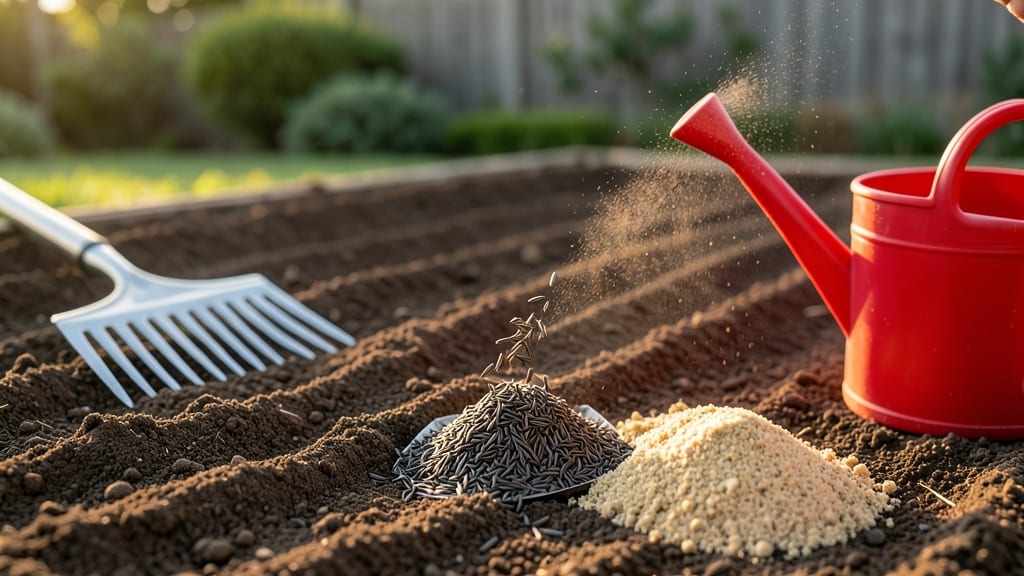
Planting grass seed in Pennsylvania at the wrong time can leave you with patchy lawns that struggle through winter—so getting the timing right is the key to a thick, resilient yard.
The best window isn’t just about months, but about soil temperatures and frost dates that vary across zones 5b-7a. Whether you’re seeding in spring or fall, missing by even a few weeks can mean weak roots that won’t survive harsh winters.
Most homeowners assume spring is the only option, but fall planting actually gives grass 4-6 weeks to establish strong roots before frost hits. Late August through early October is ideal, while spring planting should wait until after the last frost—typically mid-May in most of Pennsylvania.
These precise windows make all the difference in germination success.
I’ve tested both seasons firsthand and can tell you which approach works best for your specific climate zone. We’ll cover how to prepare your soil, choose the right seed mix, and avoid common mistakes that ruin lawns before they even get started.
Let’s make sure your grass seed thrives—not just survives.
Ready to transform your lawn? The right timing isn’t just about when you plant—it’s about how you prepare. I’ll walk you through every step to ensure your grass grows thick, green, and ready for Pennsylvania winters. Let’s get started.
Pennsylvania’s ideal grass-seeding window: exact months for strong root establishment
Pennsylvania’s USDA Zones 5b-7a create a unique challenge for grass seeders—cool springs and early frosts demand precision. The two best windows for planting are late August to early October (fall) and early April to mid-May (spring), when soil temperatures and daylight align perfectly for germination.
Missing these windows by even 2-3 weeks risks weak roots and winter kill.
Fall planting offers the best success rate because cooler air temperatures reduce stress on young seedlings, while soil stays warm enough for root development. Spring planting, however, requires patience—waiting until after the last frost date (typically April 15) ensures seeds won’t rot in cold soil.
Both seasons have their quirks, especially in Pennsylvania’s microclimates, where mountain valleys and urban heat islands can shift frost dates by weeks.
Soil temperature is your best guide: aim for 50-65°F for optimal germination. In Pennsylvania, this usually means late August to early October for fall or early May for spring. Use a soil thermometer to confirm—if it’s cooler than 50°F, wait a week or two. Early frosts (common in Zone 5b) can derail spring plantings, while late frosts in Zone 7a may extend the fall window into November.
For fall planting, start in late August if you’re in Zone 7a, but shift to early September in Zone 5b to avoid early frosts.
The goal is to give seeds 4-6 weeks of warm soil before temperatures drop below 50°F at night. Tall fescue and fine fescue thrive in these conditions, while Kentucky bluegrass may struggle if planted too late.
Spring plantings should begin after April 15, but don’t rush—cold soil (below 55°F) slows germination and invites disease. In urban Philadelphia, where heat islands delay frosts, you might seed as late as May 1.
Meanwhile, rural Allegheny County may see frosts into May 10, so wait until soil warms consistently. Test with a soil thermometer for accuracy.
Week-by-week adjustments are critical in Pennsylvania’s variable climate. For fall, late August is ideal for perennial ryegrass (fast germinating), while early September suits tall fescue. By mid-September, focus on weed control—new grass can’t compete with established weeds. In spring, early April is risky unless you’re in Zone 7a; mid-April is safer for most regions.
If you miss the ideal windows, don’t panic—late fall plantings (mid-September) can work with fast-germinating seeds like annual ryegrass, though they won’t establish as deeply. For spring, June plantings are possible but require extra watering and shade cloth to protect seedlings from summer heat.
These backup windows are second-best, but better than nothing.
Local weather patterns can override general rules. Check NOAA frost maps for your county—some years, Zone 5b sees last frosts in May, while Zone 7a might frost by October 1. Adjust your timeline by 1-2 weeks based on recent trends. For example, if your area had an early frost in 2022, shift fall planting to early September that year.
Finally, seed selection matters. Tall fescue and fine fescue are fall favorites for their cold tolerance, while Kentucky bluegrass performs better in spring. Mixing perennial ryegrass (fast germinator) with your primary seed can fill gaps if planting dates stretch. Always test soil pH (ideal: 6.0-7.0) and
How to prepare soil and seed for maximum germination in PA’s climate
Pennsylvania’s variable soil types and unpredictable spring rains demand careful preparation before seeding. Tall fescue, Kentucky bluegrass, and perennial ryegrass all thrive when soil is loose, nutrient-rich, and properly balanced—especially in PA’s USDA Zones 5b-7a.
Skipping soil prep can lead to poor germination, weed competition, or even seed washout during sudden downpours.
Start by testing your soil’s pH—most PA grasses prefer a 6.0 to 7.0 range.
If your soil is too acidic, add lime (3-6 months before planting), while sulfur can lower pH if needed. Organic matter like compost or aged manure also improves moisture retention, which is critical during PA’s dry spells or flash floods.
Here’s your step-by-step prep checklist for PA’s climate:
-
🌱 Step 1: Clear Debris
Remove weeds, rocks, and thatch using a rake or dethatcher. Focus on areas with dense clover or moss, common in PA’s humid valleys. -
🪣 Step 2: Aerate Soil
Use a core aerator (rent or borrow) to create ½-inch holes 3-4 inches deep. This prevents soil compaction, a major issue in high-traffic lawns. -
💧 Step 3: Test Moisture
Dig a 6-inch hole—if soil is dry, water deeply 24 hours before seeding. If soggy, wait for PA’s typical spring dry spells to pass. -
🌿 Step 4: Choose Seeds
Mix tall fescue (shade-tolerant) with Kentucky bluegrass (drought-resistant) for PA’s variable sun exposure. Avoid annual ryegrass—it germinates fast but fades quickly. -
☀️ Step 5: Prep for Weather
If planting in spring, use a starter fertilizer (high phosphorus) to boost root growth before PA’s summer heat. For fall, focus on light mulching to retain warmth.
After prepping, seed in light layers (¼ lb per 100 sq ft) and cover with ¼-inch soil to protect from birds and wind. Water gently twice daily for the first week—PA’s sporadic rains won’t cut it. Use a sprinkler with fine mist to avoid displacing seeds.
Finally, protect your new lawn from deer or rabbits (common in rural PA) with temporary fencing. Avoid walking on seeded areas for 4-6 weeks—your grass needs time to develop a strong root system before winter’s first frost hits.