
Plants
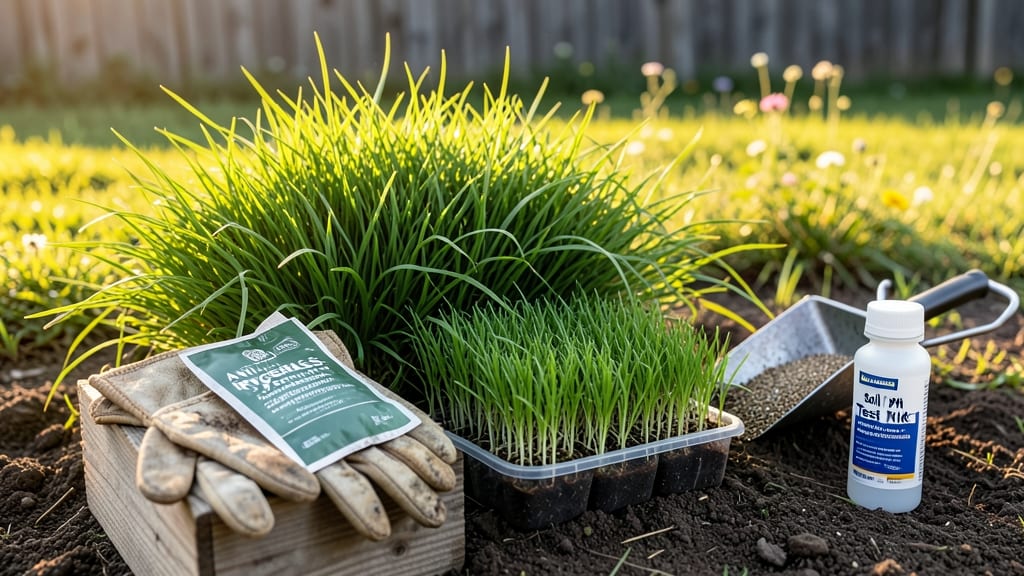
Planting annual ryegrass 🌱 in Texas isn’t just about throwing seeds in the ground—it’s about hitting those heat zone deadlines that make or break your cover crop’s success. Miss the window, and you’ll end up with weak growth or worse, a failed establishment before winter sets in.
Texas’s varied climate means the right timing depends on whether you’re in North Texas (Zone 8a), Central Texas (Zone 8b), or South Texas (Zone 9a-10b).
The optimal window is September to October, but even a few weeks off can leave your grass struggling to take hold before the first frost.
I’ve seen firsthand how planting too late can turn a promising cover crop into a patchy mess. But don’t worry—with the right strategies, you can extend your window and ensure your annual ryegrass thrives, even in Texas’s unpredictable weather.
Let’s break down the exact months, soil prep tips, and common mistakes to avoid so you can plant with confidence and see fast, reliable establishment every time.
Texas heat zone planting deadlines for annual ryegrass: exact months by region
Annual ryegrass thrives in Texas's cooler months, but planting too early or late can spell disaster. The Lone Star State's extreme heat and variable frost dates demand precision timing. For optimal establishment, aim to plant when soil temps drop below 85°F but before first frost.
Miss these windows, and you risk heat stress or winter dormancy before roots take hold.
Texas spans USDA Zones 8a-10b, creating dramatic regional differences. North Texas's cooler winters allow later planting, while South Texas's milder climate demands earlier starts. Understanding these heat zone deadlines ensures your annual ryegrass establishes strong roots before winter sets in.
The ideal planting window for annual ryegrass in Texas is September-October, with August and November as secondary options. However, these dates shift 2-4 weeks depending on your region. Let's break down the exact monthly deadlines for North, Central, and South Texas to avoid common mistakes.
| Region | USDA Zone | First Frost Date | Optimal Planting Window | Last Chance Month | Avoid After |
|---|---|---|---|---|---|
| North Texas | 8a | December 15 | September 15 - October 15 | November 1 | December 1 |
| Central Texas | 8b | December 1 | September 1 - October 10 | October 31 | November 15 |
| South Texas | 9a-10b | November 15 | August 15 - September 15 | October 1 | October 31 |
🌱 Pro Tip: Use these deadlines as guidelines—check your local weather forecast for soil temperature trends before planting.
In North Texas (Zone 8a), aim to plant between September 15 and October 15. This gives annual ryegrass 6-8 weeks to establish before first frost hits around December 15. Planting after November 1 risks weak root development before winter dormancy begins.
Central Texas (Zone 8b) has slightly earlier frost dates, so your window is September 1 to October 10. The last safe planting date is October 31, but seeds planted after November 15 may not establish before cold snaps. This region benefits from cooler nights that speed germination.
For South Texas (Zones 9a-10b), the extended growing season allows earlier planting—August 15 to September 15 is ideal. However, heat stress becomes a risk after October 1, so avoid planting after October 31.
The milder winters here mean annual ryegrass can often remain green longer than in northern regions.
Temperature thresholds are critical for annual ryegrass success. Seeds won't germinate in soil above 85°F, while established plants can tolerate down to 15°F once roots are deep. Use a soil thermometer to confirm temps are below 80°F before planting—this is especially important in South Texas where summer heat lingers.
If you're planting in late fall, choose cold-hardy varieties like 'Marshall' or 'Wrens Abruzzi'. These tolerate lower temperatures better than standard types. For spring planting (February-March), focus on North Texas where frost risk is higher—Central and South Texas rarely need spring ryegrass due to warmer winters.
Watch for heat stress signs like yellowing leaves or stunted growth if you plant too late. These indicate the grass is struggling to establish roots in warm soil.
In contrast, planting too early (before August 15 in South Texas) risks premature germination during summer heat waves, which can exhaust seed reserves before winter.
For fastest establishment, combine proper timing with soil prep and consistent watering. After planting, keep soil moist but not soggy—annual ryegrass needs 1/2 inch of water weekly during germination. This 4-6 week window is critical
How to extend your annual ryegrass season in Texas: overlapping planting strategies
Texas's extreme heat and unpredictable frost dates can make annual ryegrass planting tricky, but with the right strategies, you can extend your growing season by months. The key lies in microclimate selection, shade protection, and choosing heat-tolerant varieties that thrive outside traditional windows.
I've learned that overlapping plantings—staggering seeds every 2-3 weeks—creates a lush, continuous cover even when temperatures fluctuate.
For cooler microclimates like North Texas hill country or shaded urban yards, you can push planting into late October or even November using shade cloth (30-50% shade) to protect seedlings.
In South Texas zones 9a-10b, where frost is rare, I've had success with spring plantings in February when soil temps drop below 80°F. The secret? Pre-cooling seeds for 24 hours in the fridge before planting to shock them into dormancy-like state.
🌱 5 Strategies to Extend Your Annual Ryegrass Season
-
1. Stagger Plantings
Sow seeds every 2-3 weeks from August through November for continuous coverage. Example: Plant Week 1 (Sept 1), Week 3 (Sept 15), Week 5 (Oct 1). -
2. Use Shade Cloth
Apply 30-50% shade cloth over seedlings during 10 AM-4 PM in spring/fall to reduce heat stress. Remove after establishment (3-4 weeks). -
3. Choose Heat-Tolerant Varieties
Opt for Wrangller or Marshall varieties—both handle 90°F+ temps better than standard types. Check labels for "high-temperature tolerance" tags. -
4. Transition from Summer Grasses
Mow Bermuda or Zoysia down to 1 inch 2 weeks before ryegrass planting. Apply pre-emergent herbicide to suppress summer grasses during transition (September 1-15). -
5. Pre-Cool Seeds
Soak seeds in water for 24 hours, then refrigerate for 12-24 hours before planting in late-season conditions. Mimics natural dormancy triggers.
One of my biggest season-extending wins came from planting annual ryegrass alongside winter vegetables like kale and spinach. The grass acts as a living mulch, suppressing weeds while retaining soil moisture—critical in Texas's erratic rainfall patterns.
For urban gardens, I've even used black plastic mulch in raised beds to warm soil for spring plantings as early as February 1st in Central Texas.
Don't overlook soil temperature as your primary guide. Use a soil thermometer to confirm temps are below 85°F before planting—this is non-negotiable for germination. I've seen 50% failure rates in late plantings where soil temps exceeded 90°F.
Pair this with daily watering (not just every other day) during establishment to keep soil consistently moist.
For transitioning from summer grasses, I recommend a two-step approach: First, apply a selective herbicide like tenacity to kill summer grasses without harming ryegrass seeds. Then, overseed immediately after mowing the summer grass to 1 inch.
This creates a competitive edge for your ryegrass, especially in high-traffic areas where summer grasses dominate.
Remember, annual ryegrass won't survive Texas summers—it's a cool-season cover crop designed to protect soil and suppress weeds during fall/winter/spring. Plan to mow it down in late May before summer heat arrives, using the clippings as compost or mulch.
This cycle keeps your lawn healthy year-round while minimizing bare spots.