
Planting
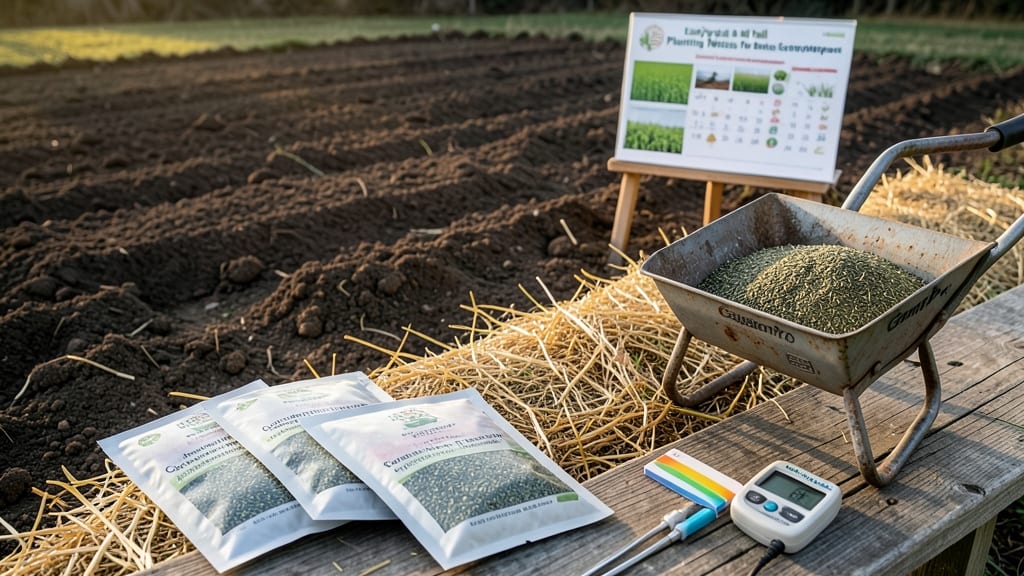
Planting grass seed at the wrong time in Massachusetts can leave you staring at bare patches instead of a lush 🌱 lawn—especially when spring frosts linger or summer heat arrives too soon.
If you’ve ever wondered why some lawns thrive while others struggle, the answer often comes down to timing. Massachusetts’ 5b-6b growing zones mean your ideal planting window is narrower than you think, with last frost dates shifting from early April in the Cape to mid-April inland.
In this guide, I’ll break down exactly when to plant—whether it’s the 4–6 week window before your last frost in spring or the 6–8 week window before first frost in fall—plus how to prep your soil for success.
Skip the guesswork and learn the precise steps to get your grass off to the strongest start, no matter where in the state you live.
Massachusetts last frost dates & soil temperature requirements for grass seed
Massachusetts’ cool-season climate makes timing critical for grass seed success. The state spans USDA zones 5a to 6b, with last frost dates varying by region. For cool-season grasses like Kentucky bluegrass, tall fescue, and perennial ryegrass, soil temperatures must reach 50–65°F for optimal germination.
Planting too early risks frost damage, while waiting too long can stress seedlings in summer heat.
Western Massachusetts (e.g., Springfield, Pittsfield) typically sees its last frost around April 15, while coastal areas like Cape Cod and Boston average April 20–May 1. Inland valleys (e.g., Worcester, Amherst) often experience earlier frosts due to colder air settling.
Always check local Almanac frost predictions or use a soil thermometer to confirm readiness.
Soil temperature is just as critical as frost dates. Cool-season grasses germinate best when soil reaches 50°F (10°C), but ideal conditions are 55–65°F (13–18°C). Use a digital soil thermometer to monitor—planting when temps hover around 60°F ensures faster, more uniform germination.
In Zone 5a (e.g., North Adams, Berkshires), wait until late April or early May to avoid frost risks.
Regional variations matter. Boston and coastal areas benefit from warmer maritime influences, allowing earlier planting (mid-April). Meanwhile, Western MA’s higher elevations may need to delay until late April or early May. Cape Cod’s sandy soils warm faster but dry out quicker, requiring daily watering after planting.
Here’s a quick reference for Massachusetts frost dates and soil temps by region:
For fall planting, aim to sow grass seed 6–8 weeks before the first frost (typically September 15–October 15). This gives seedlings time to establish roots before winter. Soil temps should stay above 50°F for at least 4–6 weeks post-planting.
In Zone 5a, this may mean waiting until late September to avoid early frosts.
If you’re in a warmer microclimate (e.g., south-facing slope or urban heat island), you can plant 1–2 weeks earlier than the average date. Conversely, shady or high-elevation areas may need a 2-week delay to ensure soil warmth.
Always test soil with a thermometer at 4-inch depth—surface temps can be misleading.
Pro tip: Use a frost cloth if planting 2–3 weeks early in spring. Cover seedlings at night to protect against unexpected frosts, then remove during the day to allow sunlight. For sandy soils (common on Cape Cod), mulch with straw to retain moisture and regulate soil temperature.
Monitor local weather forecasts for 10-day outlooks—a stretch of 60°F+ days is ideal for germination. If temps dip below 40°F at night, delay planting or use row covers until conditions stabilize. Patience pays off: well-timed planting leads to 90%+ germination rates in Massachusetts.
🌱
Best grass seed planting windows in Massachusetts by season (spring vs. fall)
Deciding between spring and fall planting for your Massachusetts lawn can feel overwhelming, but the right choice depends on your local last frost dates and moisture patterns. In my experience, both seasons offer unique advantages, but fall often gives grass a head start before winter.
Let’s break down the ideal windows and what to watch for in each.
For spring planting in Massachusetts, aim for mid-April to early May after the last frost date—typically around April 15 in most regions. This window ensures your seeds germinate in warm soil (at least 50°F) while avoiding late frosts that can damage tender seedlings.
However, spring weather can be unpredictable, with sudden cold snaps or droughts that stress young grass.
Fall planting, on the other hand, offers a 6-8 week window from early September to mid-October, allowing seeds to establish roots before winter dormancy. The cooler temperatures reduce weed competition, and consistent moisture from autumn rains helps germination.
But timing is critical—plant too late, and seeds may not establish before the first frost, which usually hits mid-October in most of Massachusetts.
Spring Planting (April–May)
- ✅ Pros: Warm soil speeds germination
- ✅ Pros: Longer growing season for establishment
- ❌ Cons: Risk of late frosts or drought
- ❌ Cons: Higher weed competition
Fall Planting (September–October)
- ✅ Pros: Cooler temps reduce weeds
- ✅ Pros: Consistent autumn moisture
- ✅ Pros: Grass establishes before winter
- ❌ Cons: Limited window before frost
If you’re planting in spring, I recommend testing your soil temperature with a soil thermometer—aim for 50–65°F for optimal germination. For fall, focus on planting 6 weeks before your region’s first frost date.
In Western Massachusetts, this might be early September, while coastal areas like Cape Cod can extend planting into late October.
One trick I’ve used to extend the planting window is covering seeds with lightweight frost cloth if late frosts threaten. This creates a microclimate that protects tender seedlings while still allowing sunlight and water to penetrate.
For moisture, aim to keep the soil consistently damp but not soggy—watering early in the morning minimizes evaporation and fungal risks.
For early spring plantings, consider using a warm-season grass mix like Bermuda grass if you’re in a warmer microclimate (like the Connecticut River Valley), but most of Massachusetts thrives with cool-season grasses like Kentucky bluegrass or fescue. These varieties handle our variable climate better and establish more reliably.
No matter which season you choose, the key is preparation. Test your soil, clear weeds, and loosen the top 1/4–1/2 inch of soil for seeds to make contact with moisture. With the right timing and care, you’ll have a lush, green lawn by next summer—no matter when you plant! 🌱