
Plants
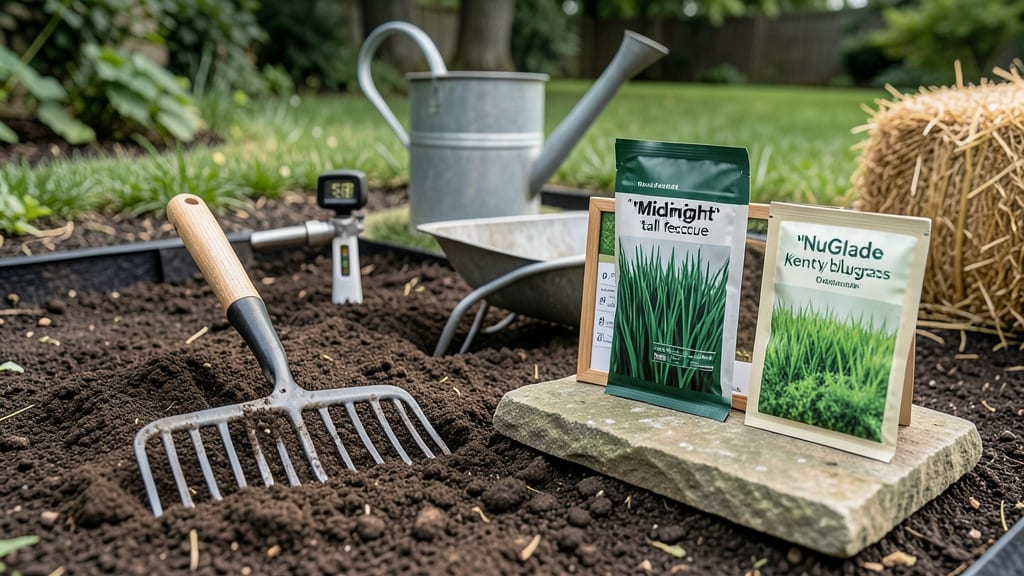
Planting grass seed too late in Michigan can turn your lawn dreams into a winter casualty—thin patches, dead spots, or money down the drain.
The last frost dates in your county (like 5b-6b) aren’t just numbers; they’re the deadline for giving your 🌱 a fighting chance before the cold sets in.
Most gardeners assume spring is the only window, but fall planting works too—if you time it right. The 30-day rule before first frost is your safety net, but skipping it means risking weak roots that won’t survive the freeze.
Whether you’re in Detroit or the Upper Peninsula, knowing your exact cutoff date (usually mid-September for most areas) could mean the difference between a lush lawn and a patchy disappointment.
Don’t panic if you’ve already missed the ideal window. I’ll show you how to stretch the timeline with cold-hardy grass varieties, soil prep tricks, and post-planting care that boosts survival rates—even when the calendar says “too late.” Let’s turn your late-season grass project into a success story.
From choosing the right seed to protecting seedlings with mulch, this guide gives you the actionable steps to salvage your lawn before winter shuts you out. Ready to learn how to cheat the clock? Let’s get started.
Michigan’s last frost dates by region: safe grass seed planting windows
Michigan’s climate varies dramatically between its Upper Peninsula and Lower Peninsula, making frost dates a critical factor for grass seed success. In the southern Lower Peninsula, like Wayne or Oakland counties, last frosts typically arrive by April 15-20.
Meanwhile, the Upper Peninsula—think Marquette or Iron—can see frost lingering until May 10-15. These differences mean your planting window shifts by weeks, even across neighboring counties.
Grass seed needs 4-6 weeks to establish roots before winter’s first frost. Plant too late, and your lawn risks shallow roots that freeze or thin growth from winter stress. The key? Time your planting to align with your region’s last average frost date—plus a buffer.
For example, if your county’s last frost is May 1, aim to plant by April 15 for a safe margin.
Here’s how to find your exact last frost date:
- Check the USDA Plant Hardiness Zone Map (your zone is likely 5b-6b).
- Cross-reference with local weather data from NOAA or your county extension office.
- Add 30 days to your last frost date for the absolute latest you should plant cool-season grasses like Kentucky bluegrass or tall fescue.
Fall planting is trickier but possible in Michigan’s milder southern regions. If you’re in Wayne or Washtenaw counties, you can plant cool-season grasses as late as September 15, giving roots time to establish before winter.
However, the Upper Peninsula is too cold—stick to spring planting there. For fall success, choose fast-germinating varieties like perennial ryegrass and keep soil temperatures above 50°F.
Your soil temperature matters just as much as frost dates. Use a soil thermometer to confirm it’s 55-65°F before planting. Cold soil slows germination, leaving seedlings vulnerable. In northern Michigan, wait until late April or early May, even if frost risk seems low.
Patience here means the difference between a thick lawn and a patchy mess.
Pro tip: Test your soil 2-3 weeks before planting. Michigan’s clay-heavy soils often need compost or sand to improve drainage. Amend the top 4-6 inches of soil and rake in a starter fertilizer with high phosphorus (e.g., 10-20-10) to encourage root growth.
Skipping this step is the #1 reason late plantings fail—roots can’t compete without proper nutrients.
For late-season plantings (August-September), focus on shade-tolerant varieties like fine fescue or creeping red fescue. These handle cooler temps better than Kentucky bluegrass. Water deeply 2-3 times per week until germination (about 14-21 days), then taper to 1 inch per week.
A light mulch of straw can protect seedlings from temperature swings.
Missed the window? Don’t panic. If you’ve planted by mid-September in the south or early September in the north, use a winter mulch of straw (2-3 inches) to insulate roots.
Avoid fertilizing after October 1, as new growth won’t harden off before frost. Next spring, you’ll likely see faster fill-in from roots that survived the winter.
Remember: Michigan’s microclimates can shift frost dates by days. A south-facing slope warms faster than a
The 30-Day rule: how late can you plant grass seed in Michigan without risking winter damage?
Michigan’s cool-season climate gives you two planting windows—spring and fall—but late plantings risk winter kill if roots don’t establish. The 30-day rule is your safety net: plant grass seed at least 30 days before your first expected frost to allow roots to penetrate 4-6 inches deep.
In Michigan, this typically means no later than mid-September for most regions.
Grass roots need time to harden before winter. Cool-season grasses like Kentucky bluegrass and tall fescue can handle late plantings better than warm-season varieties (e.g., Bermuda grass), which struggle in Michigan’s chilly winters. Even then, late plantings require extra care—like mulching and cold-hardy seed mixes—to survive.
Your root depth is the #1 factor in survival. Grass planted in August has a 50% chance of establishing deep roots by frost, while September plantings improve to 70% if soil temps stay above 50°F.
Use a soil thermometer to check—roots grow best when soil is warm but not scorching.
For late-season success, choose cold-hardy varieties like tall fescue or fine fescue, which tolerate cooler soils. Avoid annual ryegrass in late plantings—it germinates fast but struggles to root deeply before winter. Instead, mix perennial ryegrass (30% of blend) for faster establishment.
If you’re planting in early September, prioritize soil prep: till deeply, add compost, and water daily for the first 2 weeks. Skip fertilizers high in nitrogen—they encourage top growth at the expense of roots. A low-nitrogen starter fertilizer (5-10-10) is safer for late plantings.
Don’t wait until October—your odds drop sharply. By then, even cold-hardy grasses may not root deeply enough. If you miss the window, consider sod instead or wait until spring. But with the right variety and care, a September planting can still yield a lush lawn next summer.