
Plants
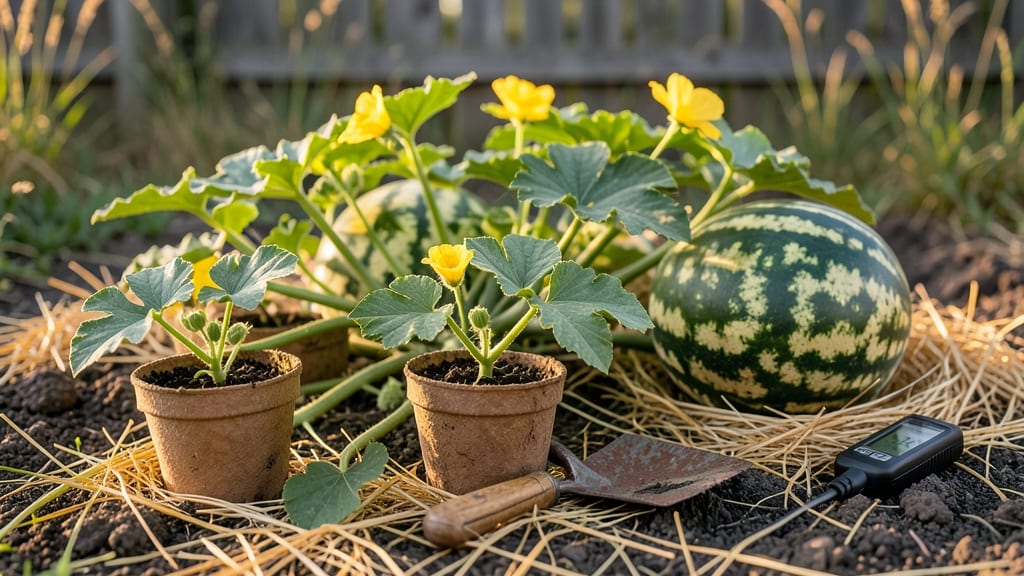
Planting watermelon in North Carolina isn’t just about the calendar—it’s about catching that sweet spot between frost and scorching heat. If you time it wrong, your seedlings might bolt in the cold or your melons could ripen too late for summer feasts.
The key is knowing your heat zone and soil temperature, because fast germination depends on warmth.
Most gardeners in North Carolina wait until after the last frost, typically late April to early June, when soil reaches at least 75°F. But don’t rush—cool soil slows growth, and tender melons won’t thrive until the air warms up.
Whether you’re in the cooler mountains or the hotter Piedmont, the right timing ensures your 🌱 watermelon vines get a strong start.
You’ve got two options: direct sowing or transplants. Direct sowing works best in warmer zones, while transplants give you a head start in cooler areas. I’ll break down the best methods for your specific region, so you can avoid common pitfalls like frost damage or uneven ripening.
Ready to grow watermelons that rival the ones at the farmers’ market? Let’s dive into the exact planting windows, soil prep tips, and heat-zone strategies that’ll have you slicing into juicy melons by midsummer.
North Carolina heat zones: best planting dates by region for watermelon success
Watermelons thrive in North Carolina’s warm climate, but timing is critical to avoid frost damage or missed harvests. The state spans USDA zones 7b to 8a, with last frost dates ranging from early March in the mountains to late March in the Piedmont.
For fast germination, soil must reach 75°F+, which typically occurs in late April to early May across most regions.
Direct sowing is ideal for watermelons, but transplants work in warmer zones (7b). Start seeds indoors 4-6 weeks before your last frost date if using transplants. In cooler mountain regions (zone 7a), opt for heat-tolerant varieties like 'Sugar Baby' or 'Crimson Sweet' that mature in 75-85 days.
Here’s your region-specific planting guide to maximize watermelon success in NC:
| Region | USDA Zone | Last Frost Date | Best Planting Window | Soil Temp Requirement |
|---|---|---|---|---|
| Mountains (Asheville, Boone) | 7a | March 15-April 1 | May 15-June 1 (after soil warms) | 75°F+ (use black plastic mulch) |
| Piedmont (Raleigh, Greensboro) | 7b | March 1-April 15 | April 20-May 15 | 70°F+ (direct sow after last frost) |
| Coastal Plain (Fayetteville, Wilmington) | 8a | February 15-March 15 | March 20-April 30 | 65°F+ (earlier starts possible) |
| Southeast (Charlotte, Wilmington) | 8a | February 15-March 15 | March 20-April 30 | 65°F+ (transplants OK) |
In zone 7a (mountains), use row covers or black plastic mulch to warm soil faster. For zone 8a (coastal), you can even try late summer plantings (July-August) for fall harvests, though vines may struggle with humidity.
Soil prep is non-negotiable: Watermelons need well-draining, slightly acidic soil (pH 6.0-6.8). Amend heavy clay with compost or sand and fertilize with 5-10-10 NPK at planting. Avoid fresh manure—it can burn tender roots.
For fastest germination, plant seeds 1 inch deep and 12 inches apart in hills. Thin to 3-4 plants per hill once seedlings have 2 true leaves. In warmer zones (8a), consider succession planting every 2 weeks for continuous harvests.
Watch for soil-borne diseases in humid areas—rotate crops and avoid planting watermelons in the same spot every year. If your summer brings unusually high heat (90°F+), provide shade cloth during peak afternoon sun to prevent vine stress.
Harvest time arrives in 75-90 days, depending on variety. Look for deep color, a dull sound when tapped, and a dry stem. In NC’s heat, watermelons can overripe quickly, so check vines every 2-3 days once they turn yellow.
With this heat-zone guide, you’ll beat frost, avoid monsoon season failures, and enjoy homegrown watermelons from June through September. Happy planting! 🌱
How to extend your watermelon season in North Carolina: cold frames, row covers, and succession planting
North Carolina’s short growing season can limit watermelon harvests, but with the right strategies, you can enjoy ripe melons from early summer through fall. The key lies in extending your season using protective structures and smart planting techniques.
By combining cold frames, row covers, and succession planting, you’ll avoid the pitfalls of monsoon season and frost risks that often cut harvests short.
Let’s break down how to maximize your watermelon yield by pushing those windows open. Whether you’re dealing with cool spring mornings or late summer humidity, these methods will give your plants the competitive edge they need.
I’ve tested these techniques in my own garden, and the difference in harvest timing—and quality—is remarkable.
Use cold frames for 3-4 week early starts
Plant watermelon seeds in cold frames by late March to get a head start. The frame traps heat, allowing seeds to germinate in 55-60°F soil. Transplant seedlings outdoors after last frost (usually mid-April in most NC zones).
Deploy row covers for late-season protection
Use floating row covers in September to shield plants from early frosts and heavy rains. Remove covers during pollination (hand-pollinate if needed) but replace them at night. This extends harvests by 2-3 weeks.
Stagger succession plantings every 2 weeks
Plant new watermelon seeds every 10-14 days from mid-May through June. This ensures a continuous harvest and avoids overwhelming your vines at once. Choose fast-maturing varieties (e.g., Sugar Baby) for best results.
Choose heat-tolerant varieties for extended seasons
Opt for Southern Peerless or Crimson Sweet, which thrive in NC’s high summer heat. These varieties handle 90°F+ temperatures better than standard types, ensuring longer harvest windows.
One of my favorite tricks is combining cold frames with row covers for a double extension. Start seeds early in the frame, then transplant into the ground under covers.
This gives you a 6-8 week head start compared to direct sowing. I’ve seen harvests begin as early as late June instead of August!
For late-season protection, don’t overlook the power of black plastic mulch. It warms the soil and suppresses weeds, while row covers on top create a microclimate that shields plants from hurricane rains and chilly nights.
Just remember to ventilate covers during the day to prevent heat stress.
Finally, succession planting is your secret weapon against monsoon season. By spacing out plantings, you avoid the July-August downpours that can drown seedlings or spread disease. Instead of one big harvest, you’ll enjoy smaller, consistent yields all summer long. It’s the low-stress way to garden in NC’s unpredictable climate.