
Plants
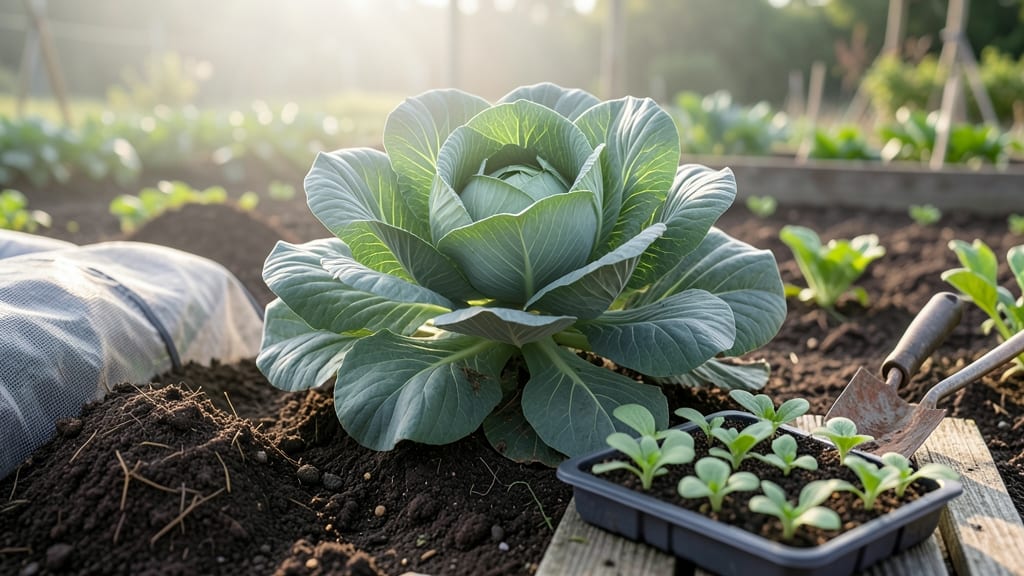
Planting cabbage in North Carolina at the wrong time can mean the difference between a bumper crop and a sad, wilted disappointment.
The key to success lies in understanding your USDA zone—whether you're in the cooler mountains of 7a or the warmer coastal 8b—and aligning your planting with frost dates that shift dramatically across the state.
Most gardeners in North Carolina know cabbage thrives in cooler weather, but what they often miss is that timing isn't just about seasons—it's about microclimates.
In the Piedmont region, you might plant as early as mid-March, while coastal gardeners in Zone 8b should wait until early April to avoid heat stress.
The same logic applies to fall plantings, where late July to early August gives your 🥬 the best shot at maturing before winter sets in.
What makes this even trickier is that cabbage planted too close to summer's peak can bolt prematurely, sending up bitter flower stalks instead of the tender heads you crave.
That's why I've broken down the exact planting windows for both spring and fall crops, including how to adjust for your specific corner of North Carolina—whether you're battling mountain chill or coastal humidity.
Ready to grow cabbage that's crisp, sweet, and ready for harvest? Let's dive into the precise planting schedule that will have you enjoying homegrown 🥬 from May through November, no matter where you are in the state.
North Carolina cabbage planting dates by USDA Zone (with frost risk analysis)
North Carolina spans USDA zones 7b through 8a, meaning gardeners must account for varying frost risks across the state. In the mountains (zone 7b), average last frost dates arrive around March 20-25, while coastal areas (zone 8a) typically see frost-free conditions by March 5-10.
These differences drastically impact your cabbage planting timeline—get it wrong, and you risk frost damage or heat stress.
For spring cabbage, plant seeds indoors 4-6 weeks before your last frost date or transplant hardened seedlings 2-3 weeks before the final frost. In fall, aim for 100-120 days before the first frost (around July 20-August 5 in most zones) to ensure maturity before cold sets in.
The key? Adjust for microclimates—valleys hold cold longer, while slopes warm faster.
| USDA Zone | Last Frost Date | Spring Planting Window | Fall Planting Window | Frost Risk Note |
|---|---|---|---|---|
| 7b (Mountains: Asheville, Boone) | March 20-25 | April 5-15 (transplant) | July 25-August 5 | Late frosts common in valleys |
| 8a (Piedmont: Raleigh, Greensboro) | March 10-15 | March 20-April 5 | July 15-25 | Warmer microclimates extend season |
| 8a (Coast: Wilmington, Fayetteville) | March 5-10 | March 10-20 | July 10-20 | Humidity increases disease risk |
📅 Pro Tip: Check your local NC State Extension office for hyper-local frost data—it varies by elevation and latitude.
In Zone 7b (mountains), where nights can dip below 28°F even in April, opt for cold-hardy varieties like 'January King' or 'Winterbor' and use row covers for early transplants.
Coastal gardeners in Zone 8a face a different challenge: heat stress after mid-May. Choose heat-tolerant types like 'Cavalo' or 'Golden Acre' for summer plantings.
For direct sowing, North Carolina gardeners should wait until soil temperatures reach 45°F—typically mid-April in the mountains and late March on the coast. Use a soil thermometer to confirm.
If sowing too early, seedlings may rot in cold, wet soil. Transplants, however, can handle slightly cooler conditions (40°F soil) as long as air temperatures stay above 50°F.
Adjust your fall planting timeline based on your harvest goals. For a late-October harvest, plant in early August; for a November harvest, extend to mid-August. In Zone 7b, where first frosts arrive earlier, prioritize fast-maturing varieties (60-70 days) like 'Golden Ball'.
Coastal zones can push to 80-day varieties like 'Red Express' for later harvests.
Microclimates play a huge role in North Carolina. A south-facing slope in the mountains may warm enough for earlier spring plantings, while a low-lying area could see frost 2 weeks later than official records.
Observe your garden’s frost patterns for 2-3 years to refine your planting schedule. Wind exposure also matters—coastal areas need windbreaks to protect young plants from salt spray and strong winds.
If you’re seed-starting indoors, begin 8-10 weeks before your last frost date. Use
How to extend cabbage season in North Carolina (cold frames, row covers & succession planting)
North Carolina gardeners can enjoy fresh cabbage nearly year-round by using smart strategies to extend the growing season. With the right techniques, you can push harvests into early spring or late fall, even in USDA zones 7b-8a.
The key lies in seasonal protection and succession planting, which help you avoid the pitfalls of heat stress and early frost.
For a continuous supply, I recommend combining cold frames, floating row covers, and staggered sowing. These methods allow you to plant cabbage in late summer for fall harvests or early spring for early summer yields.
Heat-tolerant varieties like 'Cavalo' or 'Golden Acre' thrive in NC’s summer heat, while 'January King' excels in cooler months.
- 1
- 2
- 3
- 4
- 5
In Zone 7b, where winters are slightly colder, focus on late summer plantings (August) for fall harvests. Use black plastic mulch to warm the soil and row covers to protect young plants from early autumn frosts.
For Zone 8a, you can even try winter plantings in December under heavy mulch for a spring harvest.
To maximize success, always monitor soil temperatures. Cabbage seeds need soil at 40-85°F to germinate properly. In summer, shade cloth (30-50%) can prevent bolting (premature flowering) caused by heat stress. Pair these strategies with regular watering (1-2 inches per week) to keep plants healthy and productive.
With these techniques, you can enjoy homegrown cabbage from early spring to late fall, reducing reliance on store-bought produce and saving money. Start small with one cold frame or row cover, then expand as you gain confidence—your taste buds (and wallet) will thank you!