
Planting
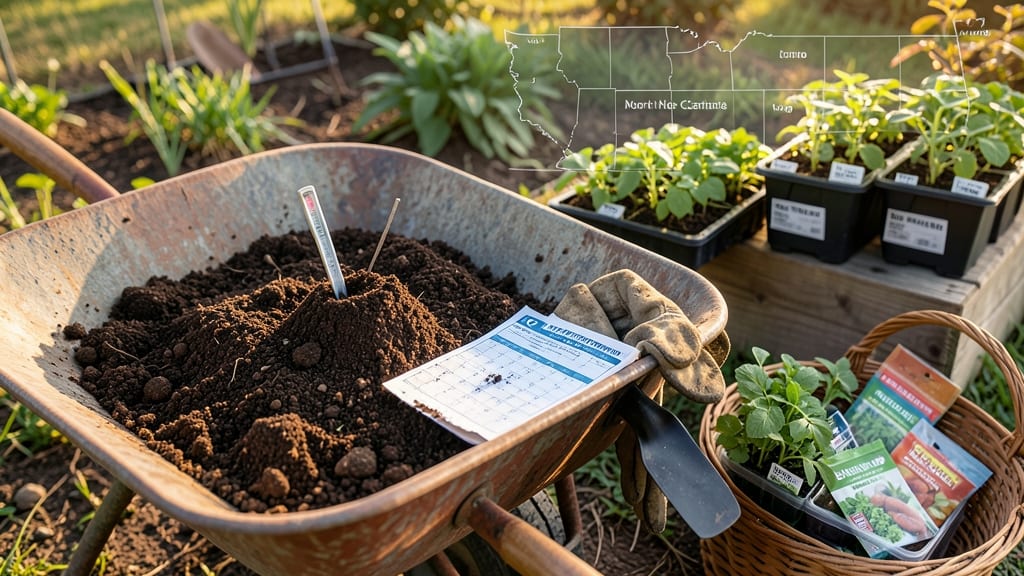
When to plant a garden in North Carolina can feel like solving a puzzle—because what works in the mountains won’t cut it in the coastal plains. Planting too early risks frost damage, while waiting too long might leave you scrambling for summer harvests. The key? Understanding your region’s chill-hour zones and frost-free dates to maximize your 🌱 garden’s potential.
I’ve spent years growing everything from tomatoes to peppers across NC, and the difference between a thriving garden and a flop often comes down to those first few weeks.
Whether you’re in the cooler Appalachians or the warmer Piedmont, knowing when to pop seeds in the ground—or set out transplants—can mean the difference between a bumper crop and a sad, wilted disappointment.
This isn’t just about memorizing a calendar. It’s about reading your soil, watching the weather, and adjusting for microclimates that can shift planting windows by weeks.
I’ll break down the exact months for cool-season crops (like lettuce and broccoli) versus warm-season stars (tomatoes, peppers, and squash), plus how to stretch your growing season with row covers and cold frames.
Ready to turn your NC garden into a year-round powerhouse? Let’s dive into the science—and the secrets—so you can plant with confidence, no matter where you are in the state.
NC planting calendar by chill-hour zones: exact months for cool vs. warm season crops
North Carolina spans 10 chill-hour zones, meaning your Asheville garden (Zone 6) has drastically different planting times than Wilmington (Zone 8). These zones measure winter cold exposure, directly impacting when to sow cool-season crops like broccoli or warm-season favorites like tomatoes.
Let’s break down the exact months for each zone, including frost-free date adjustments for Piedmont, Coastal, and Mountain regions.
First, identify your zone using the NC State Extension chill-hour map. Mountain regions (e.g., Boone) typically fall into Zones 5-6, while Coastal areas (e.g., Morehead City) are Zones 8-9.
Piedmont (e.g., Raleigh) spans Zones 7-8. For example, Zone 6 gardeners can plant spinach as early as February 15, while Zone 8 wait until March 1 to avoid frost damage.
Here’s the critical difference: Cool-season crops (e.g., kale, peas, lettuce) thrive in 45-65°F soil and should be planted 4-6 weeks before your last frost date. Meanwhile, warm-season crops (e.g., peppers, cucumbers, okra) need 60-85°F soil and go in 2 weeks after your last frost.
Use a soil thermometer to confirm readiness—don’t guess!
🌱Pro Tip: Coastal NC’s longer growing season allows for double cropping (e.g., plant radishes in early spring, then beans after harvest). Mountain zones may need row covers to extend early-season planting.
| Chill-Hour Zone | Last Frost Date | Cool-Season Planting Window | Warm-Season Planting Window | Key Adjustments |
|---|---|---|---|---|
| Zone 5 (Mountains) | April 15 | Feb 15 - Mar 15 | May 1 - May 15 | Use row covers for early crops |
| Zone 6 (Mountains/Piedmont) | April 1 | Feb 28 - Mar 31 | Apr 20 - May 1 | Wait for soil >50°F |
| Zone 7 (Piedmont) | March 15 | Mar 1 - Mar 15 | Apr 1 - Apr 15 | Plant basil after last frost |
| Zone 8 (Coastal/Piedmont) | Feb 15 | Feb 15 - Feb 28 | Mar 15 - Mar 31 | Can plant year-round |
| Zone 9 (Coastal) | Jan 15 | Jan 1 - Jan 15 | Feb 1 - Feb 15 | Avoid summer heat stress |
*Adjust dates 1-2 weeks based on microclimates (e.g., frost pockets in valleys).
For Zone 5-6 gardeners (e.g., Asheville, Boone), focus on early maturing varieties like ‘Early Girl’ tomatoes or ‘Sugar Snap’ peas. These areas can also benefit from cold frames to start spinach or carrots in January.
In contrast, Zone 8-9 (e.g., Wilmington, Fayetteville) can plant sweet potatoes as early as March 1 and enjoy two harvests of green beans—one in spring, one in fall.
🌿Regional Hack: Piedmont gardeners should monitor soil temperature closely—warm-season crops like cucumbers won’t germinate below 60°F. Use a black plastic mulch to warm soil faster if needed. Coastal areas may struggle with humidity-related diseases
How to adjust planting timing for NC’s microclimates: Coastal vs. Piedmont vs. Mountain
North Carolina’s three distinct microclimates—Coastal, Piedmont, and Mountain—create wildly different growing conditions. The Coastal Plain (like Wilmington) enjoys warmer winters and longer growing seasons, while the Mountains (like Asheville) face earlier frosts and shorter summers. Even the Piedmont (Raleigh/Durham) sits in between with its own unique challenges.
Understanding these differences isn’t just academic—it’s the key to avoiding frost damage in cool areas or heat stress in hotter zones. For example, tomatoes planted in April in the Coastal Plain might thrive, but the same timing in the Mountains could mean a frost-killed crop by May.
Let’s break down how to adjust your planting schedule for each region.
Soil temperature is another critical factor. Coastal areas warm up 2-3 weeks earlier than the Mountains, meaning you can start warm-season crops like peppers and squash sooner. Meanwhile, Mountain gardeners often rely on row covers or cold frames to extend their seasons. Humidity also plays a role—Coastal gardens battle fungal diseases more than inland areas, while Mountain gardens struggle with dry, windy conditions.
| Region | Avg. Last Frost | Plant Warm Crops | Extend Season With |
|---|---|---|---|
| Coastal Plain | Mid-March | Late March–April | Shade cloth for summer |
| Piedmont | Early April | Mid-April–May | Row covers in fall |
| Mountains | Late April–May | May–June | Cold frames/hot beds |
For Coastal gardeners, focus on heat-tolerant varieties like okra or sweet potatoes to avoid bolting in summer. Start cool-season crops like broccoli in September for a winter harvest, but protect them with frost blankets if temperatures dip below 28°F.
In the Piedmont, where humidity is moderate, prioritize disease-resistant plants like zucchini or cucumbers and plant warm-season crops after Mother’s Day to avoid late frosts.
In the Mountains, where growing seasons are short, opt for fast-maturing varieties like bush beans or radishes. Use black plastic mulch to warm soil 2-3 weeks earlier in spring.
For fall planting, direct-seed spinach and kale by July 15 to harvest before first frost. Mountain gardeners also benefit from high tunnels or greenhouses to push limits further.
Regardless of your NC region, always check soil temperatures with a soil thermometer—warm-season crops need soil at 60°F+, while cool-season crops tolerate 40-50°F. Adjust your schedule by 2-4 weeks based on elevation—every 1,000 feet up delays planting by about 1 week.
With these adjustments, you’ll maximize your harvest no matter where you garden in NC. 🌱