
Plants
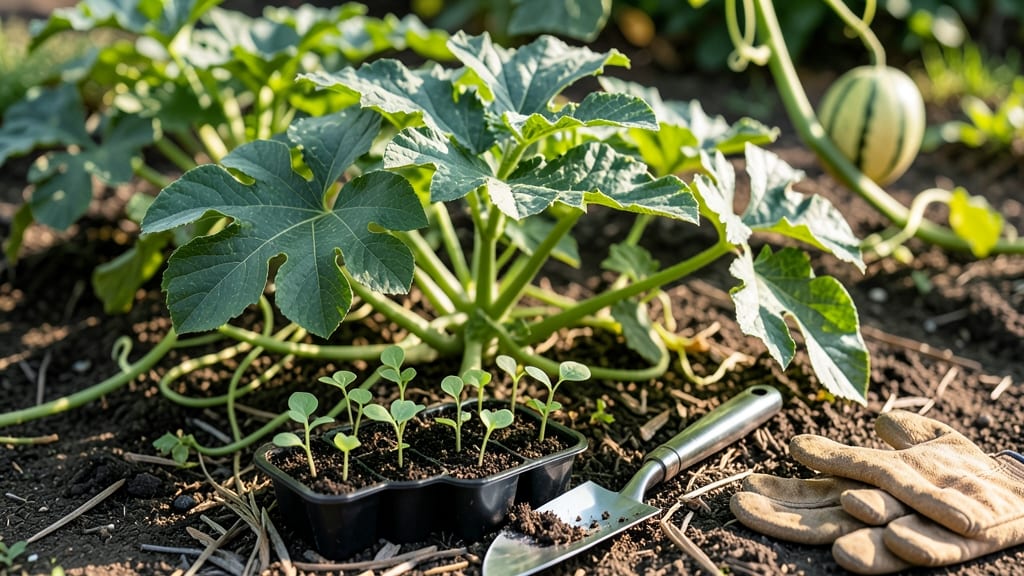
Planting watermelon seeds in California at the wrong time can turn your garden dreams into a soggy, frost-bitten mess—especially when coastal fog clashes with desert heat.
The ideal window for starting those juicy 🍉 seeds depends on your region, soil warmth, and even whether you’re sowing indoors or directly into the ground.
Most California gardeners know the general rule: wait until soil temperatures hit 70°F (21°C), but the exact timing varies wildly from San Diego’s mild winters to the Central Valley’s sudden heat spikes.
In USDA Zone 9b, your best bet is late February to early April for coastal areas, while desert regions can start as early as January—if you’re brave enough to gamble on an early frost.
Here’s the game-changer: whether you’re a patient indoor starter or a direct-sower, timing isn’t just about months—it’s about microclimates.
I’ll break down the best months by region, plus pro tips to extend your growing season (or salvage a late start) so you’re harvesting sweet, ripe watermelons from June to September.
Ready to avoid the most common mistakes? Let’s dive into the zero-frost planting calendar that’ll turn your California garden into a watermelon paradise—no guesswork required.
California watermelon planting calendar by region: frost-free deadlines for seed starting
California’s microclimates create a tricky puzzle for watermelon growers. While Southern California basks in early warmth, Northern California gardeners still shiver through late frosts. Getting your watermelon seeds in the ground too early risks frost damage, while planting too late means missed harvests.
Let’s break down the frost-free deadlines by region so you can time your planting perfectly.
Watermelons are warm-season crops that need soil temperatures of at least 70°F (21°C) to germinate. In California, this typically means waiting until late spring for most regions, but coastal areas and high elevations have their own rules.
Below, I’ve mapped out the last-frost dates and ideal seed-starting windows for three key regions: Southern CA, Central CA, and Northern CA.
For Southern California (including San Diego and Los Angeles), the frost-free window opens much earlier than the rest of the state. Gardeners here can start seeds indoors as early as February and transition to outdoor planting by March.
The Coachella Valley and Inland Empire can even plant directly in the ground by mid-February if soil temperatures cooperate.
In Central California (think Sacramento and Fresno), the story changes. The Sacramento Valley typically sees its last frost around March 15, while Fresno’s high desert climate can delay frost until April 1.
This means gardeners should wait until late March to start seeds indoors and aim for early May for outdoor planting to avoid frost damage.
Northern California, including the Bay Area and Sacramento Valley, has the latest frost dates, often lingering until April 15. Here, starting seeds indoors in March gives you a head start, but you’ll need to harden off seedlings carefully before transplanting in late May.
Coastal areas like San Francisco may even need to wait until June for safe outdoor planting.
If you’re growing in container gardens, you can push these deadlines slightly earlier, as containers warm up faster. However, always monitor soil temperatures with a soil thermometer—watermelon seeds won’t germinate below 60°F (15°C), and growth stalls below 70°F (21°C).
Pro tip: Use black plastic mulch to warm the soil faster in cooler regions.
For direct sowing (planting seeds straight into the ground), wait until the air temperature consistently stays above 65°F (18°C) during the day. This usually aligns with the outdoor planting windows
How to extend your watermelon growing season in CA: cold start solutions and heat tolerance tips
California’s coastal regions like the Bay Area and Central Coast often face chilly springs that stall watermelon growth. Meanwhile, desert areas like the Coachella Valley battle extreme heat that causes blossom drop. The key to success?
Adjusting your approach based on your microclimate. For cooler zones, indoor starts and row covers buy precious time, while desert gardeners focus on shade cloth and drip irrigation to preserve moisture.
I’ve grown watermelons in both San Francisco’s foggy summers and Palm Springs’ scorching afternoons, and trust me—without the right strategies, your vines will either wither from cold or burn under the sun. The good news?
With a few targeted techniques, you can extend your season by 4-6 weeks in cooler areas or prevent heat stress in hotter zones. Let’s break down the solutions that work best for each scenario.
- 1. Start seeds indoors 6-8 weeks before last frost (use grow lights for 14+ hours/day). Transplant after soil hits 70°F to avoid shock.
- 2. Use floating row covers in early spring to raise soil temps by 2-5°F and protect tender seedlings from coastal winds.
- 3. Choose fast-maturing varieties like 'Sugar Baby' (60 days) or 'Black Diamond' (70 days) for cooler climates.
- 4. Install shade cloth (30-50%) in desert areas to lower temps by 10-15°F and prevent blossom drop during heatwaves.
- 5. Mulch heavily with straw or black plastic to retain moisture and stabilize soil temps—critical for both cold starts and heat zones.
For gardeners in Northern California’s fog belt, like Santa Cruz or Marin County, I recommend starting seeds indoors in late February using heat mats to jumpstart germination.
Once seedlings have 2-3 true leaves, harden them off for 7-10 days before transplanting after Memorial Day, when nighttime temps consistently stay above 55°F. In my own Berkeley garden, this method has let me harvest 'Moon and Stars' watermelons by early July—beating the summer heat!
In contrast, desert gardeners in places like Riverside or Indio should focus on heat tolerance from day one. Plant directly outdoors in March (soil temps are already ideal) and use drip irrigation to keep roots cool.
I’ve found that mulching with straw and watering at dawn reduces evaporation by 30%, which is a game-changer for blossom drop prevention. Pro tip: Avoid fertilizing during 100°F+ days—it stresses plants and worsens heat damage.
One mistake I see often? Assuming all watermelons need the same care. 'Crimson Sweet', for example, thrives in 90°F+ heat but struggles in cooler coastal summers. Meanwhile, 'Charleston Gray' handles humidity better but needs consistent moisture to avoid cracking.
Always match your variety to your microclimate, and don’t be afraid to test multiple types in a single season.
Finally, remember that watering habits make or break your harvest. In cooler regions, water deeply 2-3 times per week to encourage root growth, while desert areas need daily watering in peak heat but must avoid wetting leaves to prevent powdery mildew.
I’ve had the best luck using soaker hoses placed at the base of vines—it keeps the fruit clean and soil moist without wasting water.
With these strategies, you can push your watermelon season from a 3-month struggle to a 5-month success. Whether you’re battling Bay Area chill or Palm Springs heat, the right approach ensures your vines thrive—and your fruit tastes sweeter than store-bought. 🌱