
Companion Plants
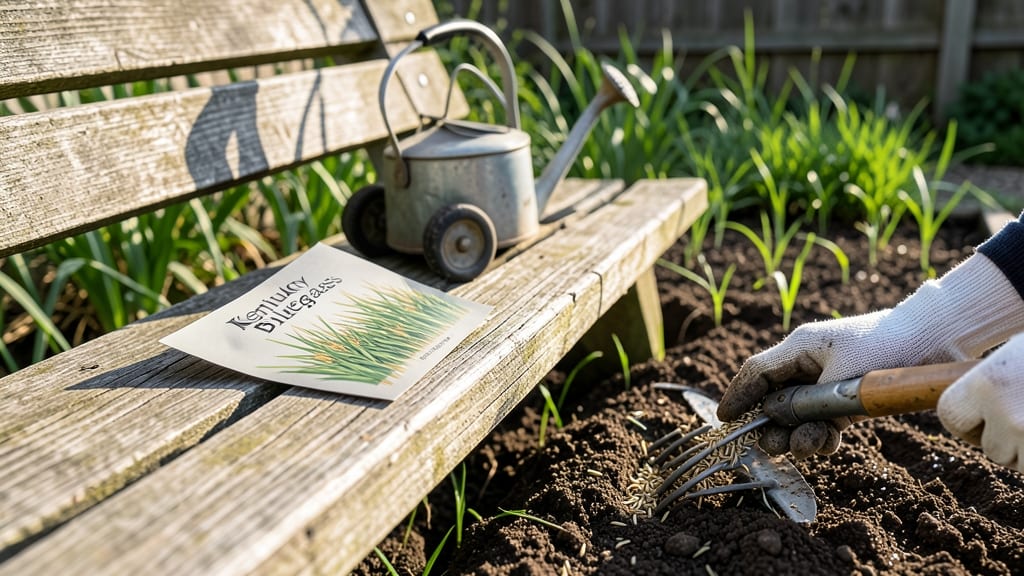
Planting your grass seed at the wrong time in spring can leave you staring at a patchy lawn instead of the vibrant 🌱 carpet you dreamed of. The difference between success and disappointment often comes down to one key factor: knowing exactly when to plant based on your local climate.
Most gardeners assume "early spring" means the moment the snow melts, but that’s actually one of the biggest mistakes. For Zone 6a and similar regions, the ideal window is 4-6 weeks before your last frost date—typically late March to early April.
This timing gives your seeds the perfect balance of cool soil and warming air to sprout strong roots.
Why does timing matter so much? Because grass seed needs soil temperatures between 50-70°F to germinate properly. Plant too early, and cold soil will delay growth; too late, and summer heat can stress young grass.
I’ll show you how to check your local frost dates and adjust for your specific conditions.
Once you’ve got the timing right, the next steps—like soil prep and watering—become much simpler. Let’s break down exactly what you need to do to set your lawn up for that lush, green finish by summer.
Best weeks before last frost to plant grass seed for spring success
Getting your grass seed in the ground at the perfect time in spring is the secret to a thick, vibrant lawn. Plant too early, and frost can kill tender sprouts. Wait too late, and summer heat stresses young roots.
The ideal window is 4-6 weeks before your region's last frost date, but this varies dramatically by USDA hardiness zone and local microclimates. Let’s break down the exact timing for your area to maximize germination success.
Most cool-season grasses (like Kentucky bluegrass, fescue, and ryegrass) thrive when soil temperatures hover between 50°F and 65°F. This sweet spot ensures seeds germinate quickly without overheating.
Warm-season grasses (such as Bermuda and Zoysia) prefer warmer soil, around 65°F to 75°F, so their planting window shifts later in the season. Knowing your last frost date and soil temps is key to avoiding common mistakes like seed washout or dormancy delays.
Pro Tip: Check your local agricultural extension service for precise frost dates—these can vary by 1-2 weeks even within the same city. For example, a Zone 5 gardener might aim for early April, while a Zone 8 gardener could plant as late as early May. Timing isn’t just about the calendar; it’s about the weather patterns in your specific backyard.
Here’s a quick reference for optimal planting windows by zone, including soil temperature thresholds and regional adjustments:
If you’re in a transition zone (like Zone 6b/7a), err on the side of planting 2-3 weeks earlier than the late date.
For example, if your last frost is May 10, aim for April 1–15 to give seeds time to establish before summer heat sets in. Soil temperature is your best guide—use a soil thermometer to confirm conditions before planting.
Most seeds won’t germinate until the soil reaches 55°F for cool-season grasses or 65°F for warm-season types.
Another critical factor is moisture consistency. Seeds need steady water to germinate, but overwatering can wash them away or cause rot. After planting, keep the soil evenly moist (about 1/2 inch of water per week) until the grass reaches 3 inches tall.
Early morning watering minimizes evaporation and fungal risks. If your spring is unusually wet, delay planting until the soil dries enough to work without clumping.
For northern climates, consider a late-summer planting (August) for cool-season grasses to take advantage of fall rains and cooler temps. This second window often yields better root establishment than spring planting. Meanwhile, southern gardeners should focus on early spring to beat summer’s intense heat.
Always check your seed packet for specific recommendations—some varieties (like perennial ryegrass) germinate faster and can handle slightly earlier planting.
Watch for local weather forecasts in the weeks leading up
How to prepare your lawn for spring grass seed planting: soil, weather, and seed selection
Spring is the perfect time to give your lawn a fresh start, but preparing properly ensures your grass seed takes root and thrives. The secret lies in three critical factors: soil quality, weather conditions, and seed selection.
Get these right, and you’ll see lush growth within weeks. Let’s break down each step so you can create the ideal environment for germination.
First, focus on your soil preparation. Healthy soil means strong roots and faster germination. Start by testing your soil’s pH level—most grasses prefer a slightly acidic to neutral range of 6.0 to 7.0.
If your soil is too alkaline or acidic, amend it with lime (to raise pH) or sulfur (to lower pH) a few weeks before planting. This adjustment gives the soil time to stabilize before seeds go in.
✅ Spring Grass Seed Planting Checklist
- Soil Prep: Test pH (aim for 6.0-7.0) and loosen top 4 inches of soil
- Weather: Plant when soil temps are 50-70°F and frost risk is low
- Seed Choice: Cool-season grasses (e.g., Kentucky Bluegrass) for spring; warm-season (e.g., Bermuda) for summer
- Moisture: Keep soil consistently damp (not soggy) for 2-3 weeks post-planting
- Timing: Aim for 4-6 weeks before last frost (varies by region)
Next, choose the right grass seed variety for your climate. Cool-season grasses like Tall Fescue or Perennial Ryegrass thrive in spring planting zones (USDA Zones 3-7), while warm-season grasses like Zoysia or St. Augustine prefer summer.
Check your local frost dates—cool-season grasses need 4-6 weeks before the last frost to establish roots before summer heat arrives.
Don’t overlook moisture management—this is where many gardeners go wrong. After planting, water lightly but frequently to keep the top inch of soil moist. Use a gentle sprinkler or hose with a fine mist setting to avoid washing seeds away.
Aim for ½ inch of water per week, split into two sessions (morning and evening) to reduce evaporation and fungal risks.
Finally, monitor the weather forecast closely. Plant on a cool, overcast day to reduce stress on seeds. If a heatwave is predicted within 48 hours of planting, delay until conditions stabilize. Warm soil speeds up germination but can also dry out seeds faster—balance is key for consistent growth.
With these steps, your lawn will be on track for uniform germination and dense coverage by early summer. The key is patience and preparation—skipping any step can leave you with thin patches or weak growth. Start early, and you’ll enjoy a vibrant lawn all season long! 🌱