
Plants
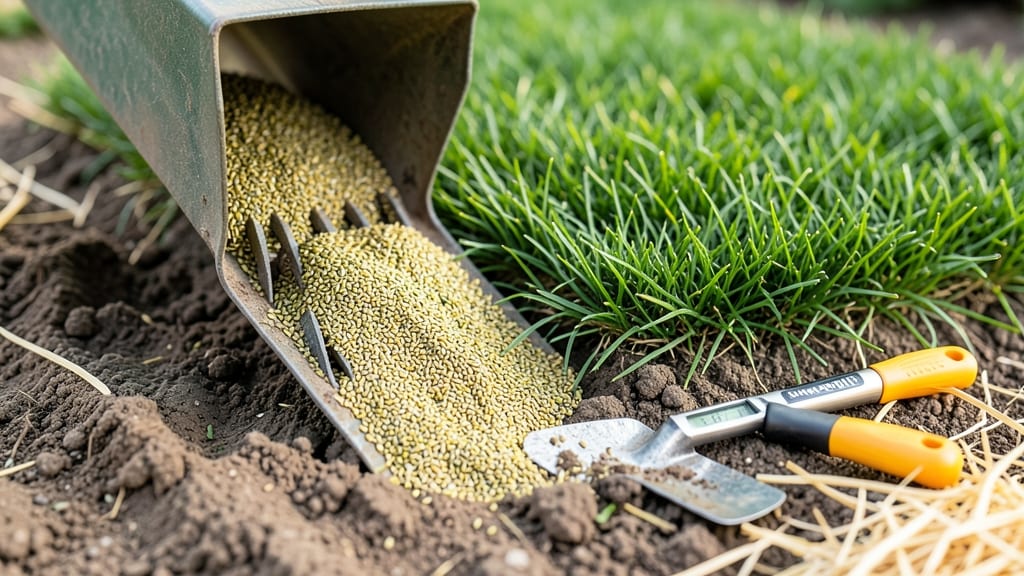
Timing your spring grass planting like a pro isn't just about waiting for warmer weather—it's about catching that sweet spot between soil warmth and frost-free confidence. In USDA Zone 6, where I garden, that window opens around April but can shift dramatically depending on your local climate.
Plant too early, and your 🌱 grass seeds may still face chilly nights; too late, and summer heat stress takes over.
What I've learned is that soil temperature—50°F to 55°F for cool-season grasses—is the real game-changer, not just the calendar date. You might think "April" is the answer, but regional frost dates and rainfall patterns can push that window into May for some.
Let me show you how to read your soil's signals before you even pick up that seed bag.
This isn't just about throwing seeds on bare earth and hoping for the best. The right timing means stronger roots, faster germination, and a lawn that thrives all season long.
I'll walk you through exactly when to plant, how to prep your soil, and what to watch for so you avoid common mistakes that leave lawns looking patchy or struggling.
Whether you're seeding a new yard or repairing bare spots, getting this timing right could save you hours of frustration later. Let's dive into the science—and the simple tricks—that make all the difference for your spring grass project.
The ideal spring grass planting timeline based on soil temperature
Spring is the perfect time to plant grass, but timing is everything. The soil temperature determines whether your seeds will sprout or rot—aim for 35°F to 55°F for best results.
Cool-season grasses like Kentucky bluegrass and fescue thrive in cooler soils, while warm-season types like Bermuda and Zoysia need warmer conditions. Regional differences mean your neighbors might be planting months earlier or later than you!
Your last frost date is a starting point, but soil temperature is the real indicator. Even if frost is gone, cold soil can stunt grass growth. Use a soil thermometer to check depths of 2–4 inches—this is where seeds will germinate.
If your soil is too cold, wait a few weeks. Patience now prevents patchy lawns later.
Northern climates (USDA Zones 3–6) typically plant between late April and early June, while southern regions (Zones 7–10) can start as early as March. Warm-season grasses in the South often wait until late spring or early summer when soil temperatures consistently hit 65°F or higher.
Your local cooperative extension office can provide precise frost and soil data for your area.
Here’s how to align your planting with soil temperature and grass type for a lush, healthy lawn:
| Factor | Cool-Season Grasses (Kentucky Bluegrass, Fescue, Ryegrass) | Warm-Season Grasses (Bermuda, Zoysia, St. Augustine) |
|---|---|---|
| Ideal Soil Temp | 35°F–55°F | 65°F–75°F |
| Best Planting Months (Northern US) | April–May | Late May–June |
| Best Planting Months (Southern US) | March–April | April–May |
| Soil Prep Time | 2–4 weeks before planting | 1–2 weeks before planting |
| Germination Time | 7–21 days | 10–28 days |
| Key Warning Sign | Soil too cold (<35°F) = slow growth | Soil too cool (<60°F) = poor germination |
Don’t let last frost dates fool you—soil temperature is the true decider. For example, in Zone 5, you might see frost-free skies in early April, but soil temps could still be below 40°F.
Planting too early risks seeds rotting in cold, wet soil. Conversely, waiting until June for cool-season grasses means missing the optimal window and facing summer heat stress.
If you’re unsure about your soil temperature, try the "finger test": Stick your hand in the soil for 10 seconds. If it feels cool but not freezing, it’s likely in the 50°F–55°F range—ideal for cool-season grasses.
For warm-season types, the soil should feel warm, almost like a hot day. Adjust your planting schedule accordingly to avoid seed dormancy or fungal diseases.
Once you’ve nailed the timing, prepare your soil by removing weeds, tilling to a depth of 4–6 inches, and adding compost or peat moss for better drainage. Level the area with a rake, then lightly water the soil to create a moist seedbed.
This step is critical—dry soil prevents seeds from making contact with moisture, while overly saturated soil can suffocate them.
After planting, keep the soil consistently moist (not soggy) for the first 2–3 weeks. Use a light mulch like straw to retain moisture and protect seeds from drying winds. Avoid walking on the area until the grass reaches 3–4 inches tall—this prevents seed displacement and compaction.
In northern climates, a light frost won’t harm established seedlings, but avoid planting if a hard freeze is forecasted.
Remember, the first 30 days are the most critical for grass establishment. By aligning your planting with soil temperature, you’ll give your lawn the best possible start. Whether you’re reviving a patchy lawn or starting fresh, this strategy ensures thick, vibrant growth all season long. 🌱
5 Critical signs your spring soil is ready for grass seeding
Timing your grass seeding right in spring means the difference between a lush, green lawn and a patchy, struggling mess. While checking frost dates is a start, your soil itself tells the real story.
The best time to plant grass in spring isn’t just about calendar dates—it’s about soil conditions that signal readiness. Think of these signs as nature’s green light for your lawn project.
Many gardeners wait for the "perfect" day, but soil readiness is more about consistent conditions than a single moment. For example, cool-season grasses like Kentucky bluegrass thrive when soil temps hit 50-55°F, while warm-season types need 65-75°F.
The challenge? Knowing exactly when your soil reaches these thresholds without fancy equipment. Here’s how to tell when your spring soil is finally ready for grass seeds.
🌱 5 Field-Tested Signs Your Soil Is Ready
- 1. Soil Temperature: Use the back-of-hand test—press your hand into the soil for 5 seconds. If it feels warm but not hot (like a warm bath), it’s ready for cool-season grass. For warm-season types, it should feel downright toasty.
- 2. Moisture Balance: Dig a 6-inch hole and check the dampness. If the soil holds moisture but isn’t soggy, it’s ideal. Soggy soil means wait a week; dry soil needs deep watering for 2-3 days before planting.
- 3. Weed Growth: Active weeds (like dandelions or crabgrass) mean your soil is warm enough for seeds. If weeds are sprouting, your grass seeds will too—just till them under first to clear space.
- 4. Frost-Free Nights: Aim for 5 consecutive nights above 40°F. Use a local frost calendar or track temps with a cheap soil thermometer ($10 at garden centers). Pro tip: No more frost warnings in your area’s forecast.
- 5. Compost Readiness: If you’ve added compost, it should be fully integrated into the top 4 inches of soil. Press your finger into it—if it feels crumbly and rich (not powdery), your soil’s nutrients are seed-ready.
Don’t overlook the DIY soil thermometer hack if you’re without tools. Bury a glass jar filled with water in your yard for 24 hours. If the water feels lukewarm (like tap water), your soil is 50-55°F—perfect for cool-season grass.
For warm-season types, the water should feel tepid or slightly warm. This trick works because soil and water equilibrate over time.
One common mistake? Planting too early because "the weather looks nice." But cool nights can still stress young grass. Wait until daytime highs consistently reach 60°F+ and nighttime lows stay above 45°F.
This ensures your seeds germinate consistently without shock. For example, in USDA Zone 5, this usually means late April to early May.
Once you’ve confirmed these signs, act fast—grass seeds only stay viable for 3-6 months after packaging. Spread them on a lightly moistened soil surface (not buried), then lightly rake to ensure seed-to-soil contact.
Within 7-21 days, you’ll see those first tiny green sprouts—proof your timing was spot-on. 🌱