
Plants
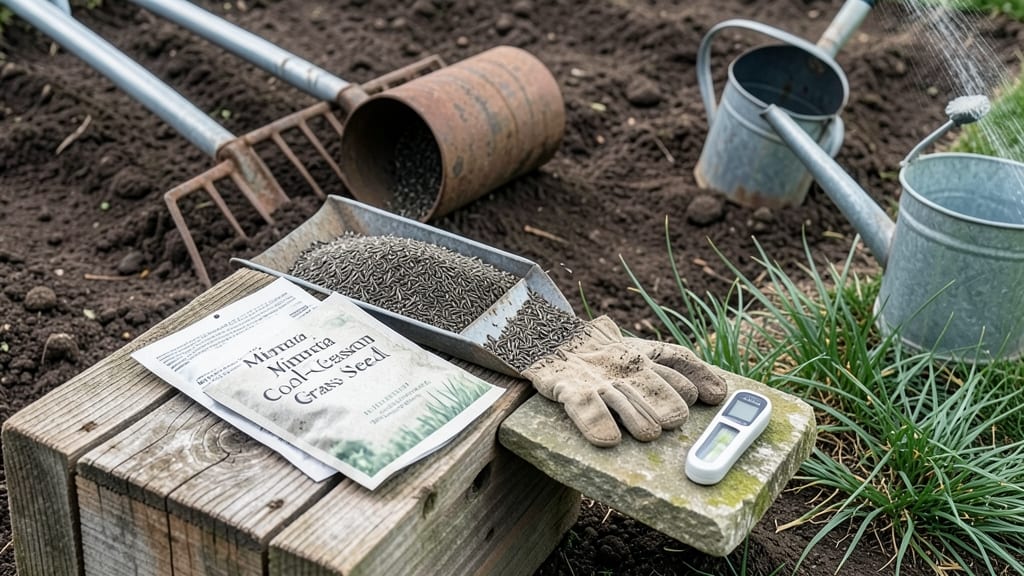
Planting grass seed in Minnesota isn’t just about grabbing a bag and tossing it on the ground—it’s about timing it perfectly to beat frost, drought, and weeds.
If you plant too early, your seeds will freeze before they sprout; too late, and summer heat or weeds will steal your lawn’s potential. The key lies in understanding your USDA Zone 3-5 deadlines, which can shift by weeks between northern Duluth and southern Rochester.
Most Minnesota gardeners know spring and fall are the best times for 🌱 grass, but the exact window matters more than you’d think.
Early April to mid-May is your spring target, while late August to early October gives you a second chance in fall—both critical periods where soil temperatures and frost dates align just right. Miss these, and you’ll end up with patchy, weak growth that never fully takes hold.
What I’ve learned from years of testing in Minnesota’s climate is that soil temperature is the real game-changer. Your seeds need the ground to be at least 50°F to germinate, and that’s often a 4-6 week difference between planting and seeing green.
Let me show you how to check your local frost dates, adjust for microclimates, and pick the best window for your county—so you can finally get that lush, weed-free lawn you’ve been dreaming of.
Whether you’re seeding a new yard or overseeding a thin patch, this guide cuts through the guesswork. You’ll discover how to time your planting for maximum success, avoid common pitfalls, and even troubleshoot when things go wrong.
Ready to turn your lawn into the envy of the neighborhood? Let’s get started.
Minnesota grass seed planting deadlines by USDA hardiness Zone (2024)
Timing your grass seed planting in Minnesota means the difference between a lush green lawn and wasted effort. The state spans USDA Zones 3-5, where frost dates vary dramatically—from late May in southern counties to mid-June in the north.
Cool-season grasses like Kentucky bluegrass and tall fescue dominate, but Buffalo grass (a warm-season exception) has niche appeal. Let’s break down the optimal planting windows by zone and county.
Minnesota’s last spring frost typically arrives 2-4 weeks earlier in southern counties (e.g., Rochester) than in northern areas like Duluth. Similarly, first fall frost can strike as early as mid-September in the north but lingers until late October in the south.
These variations mean your planting deadline shifts by 6+ weeks depending on location. For cool-season grasses, aim for soil temperatures between 50°F–65°F—critical for germination.
⚠️ NON-NEGOTIABLE: Planting too early risks frost damage, while seeding too late invites weed competition. Use the table below to pinpoint your county-specific deadlines and avoid common pitfalls like uneven germination or seedling stress.
For Zone 3 counties like Duluth, wait until mid-May to plant cool-season grasses, as earlier attempts risk frost damage.
In contrast, southern Minnesota (e.g., Rochester) can start as early as April 10, giving you a 6-week head start. Fall seeding is equally critical—northern areas must finish by September 15, while southern regions can extend to October 10.
If you’re planting Buffalo grass (a warm-season exception), delay until mid-May when soil temperatures exceed 65°F. This grass thrives in heat but struggles with Minnesota’s cool springs, making it a high-risk, high-reward choice for southern counties. Most gardeners opt for cool-season blends instead.
Pro tip: Use a soil thermometer to confirm temperatures before planting. Cool-season grasses germinate best at 50°F–65°F, while warm-season types need 70°F+. Check the MN State Climatology Office for local frost predictions—their weekly updates can shift your deadline by days.
Once you’ve locked in your planting window, prepare your soil by removing weeds and loosening compacted areas. Clay-heavy soils (common in northern MN) benefit from compost amendments to improve drainage.
After seeding, keep the soil consistently moist—daily watering for the first 2 weeks is non-negotiable for germination.
Miss the ideal window? Don’t panic. Overseeding in late August can still yield results, though success depends on soil warmth and weed control. For Zone 3, aim to finish by September 1; in Zone 5, you have until October 1.
Just remember: fall-seeded grass needs 6–8 weeks to establish roots before winter.
🌱
How to adjust planting dates for Minnesota’s microclimates and soil conditions
Minnesota’s diverse microclimates and soil types can shift your grass seed planting window by weeks. Urban areas like Minneapolis often experience urban heat islands that delay frost, while northern counties like Cook face earlier freezes.
Even within the same county, clay-heavy soils in low-lying areas stay colder longer than sandy patches on hillsides.
To avoid wasted effort, check the MN State Climatology Office for your county’s frost-free dates. For example, southern Minnesota (Zone 4b) may have a May 15 last-frost date, while northern Minnesota (Zone 3a) might see frost until June 1.
Adjust your schedule accordingly—planting cool-season grasses like Kentucky bluegrass too early in cold soils risks seed rot.
⚠️ callout-warning ⚠️
Grass seeds need soil temps of 50°F (10°C) to germinate. Use a soil thermometer to check depth (1 inch below surface). In clay soils, temperatures lag behind air temps by 3-5 days. Wait until morning soil temps hit 55°F (13°C) for reliable germination.
Pro Tip: In urban heat islands, soil may warm 5-10°F faster than rural areas—plant 1-2 weeks earlier in cities.
For northern Minnesota, aim to plant cool-season grasses between late April and early June, while southern Minnesota can extend the window to mid-June. Fall planting (late August to early October) works best when seeds germinate 6-8 weeks before frost.
Use the 50/50 rule: if daytime highs are 50°F+ and nighttime lows are 50°F+, it’s safe to plant.
Prepare your soil conditions with this quick pre-planting checklist:
- Test soil pH (ideal: 6.0-7.0 for most grasses)
- Improve drainage in clay soils with compost or sand
- Control weeds with pre-emergent herbicide 2 weeks before planting
- Loosen top 2-3 inches of soil for seed contact
In clay-heavy soils, consider cover crops like rye in fall to prevent erosion before seeding. For sandy soils, add organic matter to retain moisture. Always water deeply after planting to encourage root growth—1-1.5 inches per week is ideal during establishment.
Use these adjustments to turn Minnesota’s variable climate into an advantage. With the right timing and soil prep, your grass will establish strong roots before winter, giving you a head start next spring. Start with a small test patch to fine-tune your local conditions!