
How To
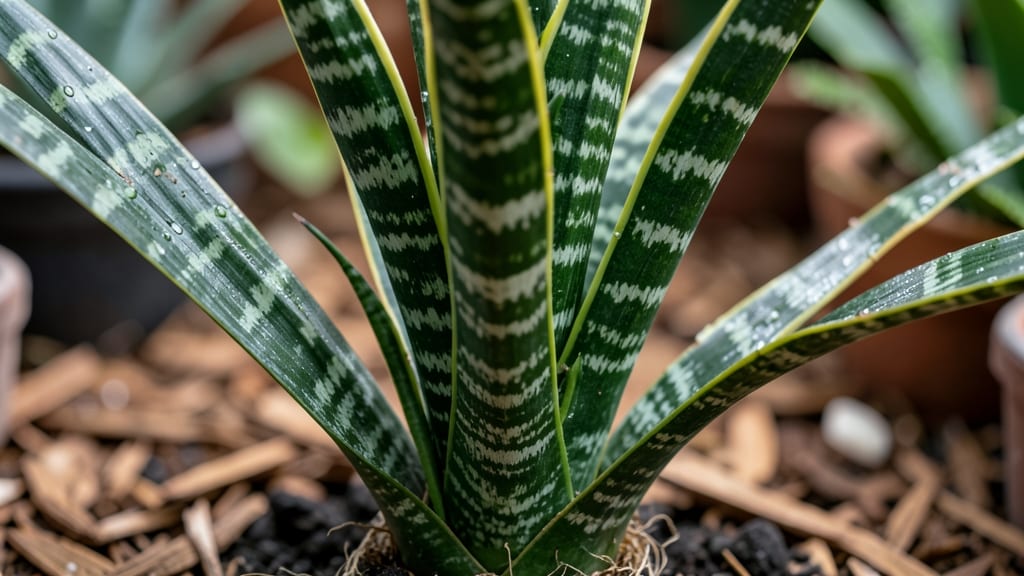
If your snake plant 🌿 seems to stretch toward the ceiling like it’s auditioning for a jungle gym, you’re not imagining things—these plants can grow surprisingly tall under the right conditions.
While most varieties stay between 1 and 4 feet indoors, some bold specimens reach heights of 6 feet or more when given enough space and ideal care.
But here’s the catch: growth isn’t just about height. Whether you’re dealing with a compact dwarf variety or a towering standard snake plant, light, pot size, and even your watering habits play a bigger role than you might think.
Let’s break down what influences your plant’s vertical ambitions—and how to keep it at your desired height.
You might assume snake plants grow at a steady, predictable pace, but their speed can vary wildly depending on where you live. Indoor plants grow slower than their outdoor counterparts, and without proper care, they can become leggy or top-heavy.
The good news? With a few simple adjustments, you can control their growth and keep them looking their best.
Ready to learn how to manage your snake plant’s height—whether you want it to stay small or thrive tall? I’ll walk you through everything you need to know, from light requirements to pruning tips, so you can enjoy this hardy plant without the surprises.


Snake plant height limits: indoor growth potential explained
Your snake plant (Sansevieria) might seem like a low-maintenance roommate, but its indoor height growth can surprise you. Under ideal conditions, these plants can reach 4-6 feet tall indoors—though many varieties stay shorter with proper care.
The key factors influencing this growth are light exposure, pot size, and pruning habits, all of which I’ll break down for you. Whether you’re dealing with a dwarf variety or a towering standard snake plant, understanding these limits helps you plan your space and care routine.
Most snake plants grow vertically due to their upright leaves, but their height varies dramatically based on their genetic variety. For example, Sansevieria trifasciata 'Laurentii' (the classic snake plant) typically hits 2-4 feet indoors, while Sansevieria 'Futura Superba' can stretch toward 6 feet with optimal care.
Even within the same species, container size plays a huge role—smaller pots restrict root growth, capping height at 1-2 feet, while larger containers encourage taller, fuller plants.
Light is another critical factor. In bright indirect light, snake plants grow 2-3 times faster than in low-light conditions. A plant near a north-facing window might reach maturity in 2-3 years, while one in a dim corner could take 5+ years to reach half that height.
This is why many indoor gardeners report their snake plants growing slowly at first, then experiencing a growth spurt when conditions improve.
The maturity timeline for snake plants also depends on their environment. In standard indoor conditions (moderate light, average humidity), most varieties reach their full height within 3-5 years.
However, if you notice your plant growing too tall too quickly, it might be signaling nutrient deficiency or root-bound stress. In these cases, repotting or adjusting your fertilizer schedule can help redirect energy toward healthier, more balanced growth.
| Variety | Indoor Height Range | Mature Timeline | Key Growth Factors |
|---|---|---|---|
| Sansevieria trifasciata 'Laurentii' | 2-4 feet | 3-5 years | Bright indirect light, medium pots |
| Sansevieria 'Futura Superba' | 4-6 feet | 4-6 years | Large containers, high light |
| Sansevieria 'Hahnii' (Bird's Nest) | 1-2 feet | 2-3 years | Small pots, low to moderate light |
| Sansevieria 'Moonshine' | 2-3 feet | 3 years | Bright indirect light, balanced fertilizer |
| Standard varieties (e.g., 'Twisted') | 3-5 feet | 4-5 years | Large pots, consistent care |
Note: Height can vary by 20-30% based on light, pot size, and care.
If your snake plant is growing too tall for your space, don’t panic—you can prune it back without harm. Simply cut the longest leaves at the base with sterile scissors, leaving a 1-inch stub. These cuttings can be propagated in water or soil to create new plants.
Pruning also encourages bushier growth, so your snake plant will fill out rather than stretch upward. Just avoid cutting more than 30% of the plant’s height at once to prevent stress.
Another way to control height is by repotting every 2-3 years. When roots fill the container, your plant will focus on vertical growth to escape the pot. Upgrading to a larger pot (1-2 inches wider) gives roots more room to spread, which often slows down rapid height increases.
Just ensure the new pot has drainage holes to prevent root rot—a common issue with overpotted snake plants.
Light exposure is often underestimated when it comes to snake plant height. While these plants tolerate low-light conditions, they’ll grow much slower in dim environments. If your plant is stretching toward the light (a condition called etiolation), it’s a sign it needs more bright indirect light.
Move it closer to a south- or west-facing window, or supplement with a grow light for 12-14 hours daily. This adjustment can double your plant’s growth rate within months.
Finally, remember that snake plants grow in spurts, especially during spring and summer. If you notice new leaves emerging rapidly, it’s likely due to improved conditions like better light or fresh soil
Outdoor snake plant spread: how wide (and tall) it really gets
When you move your snake plant outdoors, its growth habits transform dramatically. Unlike its indoor counterpart, outdoor snake plants don’t just grow taller—they spread horizontally too, developing a robust root system that can expand aggressively.
In tropical climates, expect wider spread and faster vertical growth, while temperate zones may see slower but steady expansion. Understanding these differences helps you plan spacing and containment strategies before planting.
Outdoor snake plants typically reach 2-4 feet tall but can spread 3-5 feet wide over 3-5 years, depending on variety and conditions. The Sansevieria trifasciata 'Laurentii' variety, for example, grows wider than most, while dwarf varieties like 'Hahnii' stay compact.
Root systems can extend 2-3 feet deep, making them excellent for erosion control in garden beds.
To control aggressive spreading, use container planting with deep pots (at least 12 inches deep) and limit root expansion by trimming roots during repotting. In garden beds, plant snake plants 3-5 feet apart to prevent overcrowding.
For tropical zones, consider underground barriers to contain roots, while temperate climates benefit from mulching to regulate soil temperature and moisture.
If you notice your snake plant spreading too quickly, divide mature clumps every 2-3 years to maintain health and control size. This process also creates new plants for propagation.
Always use well-draining soil with sand or perlite to prevent root rot, especially in humid climates where water retention can become an issue.
For a balanced outdoor display, pair snake plants with complementary perennials like sedum or agave, which share similar care needs but offer contrasting textures. Grouping plants by size and growth rate creates a cohesive garden design while keeping the snake plant’s spread in check naturally.
Remember, outdoor snake plants thrive on neglect but reward careful planning. With the right spacing and containment strategies, you can enjoy their striking foliage without sacrificing garden organization.
Whether you're in a warm USDA Zone 10 or a cooler Zone 6, these tips will help you manage their spread effectively.