
Plants
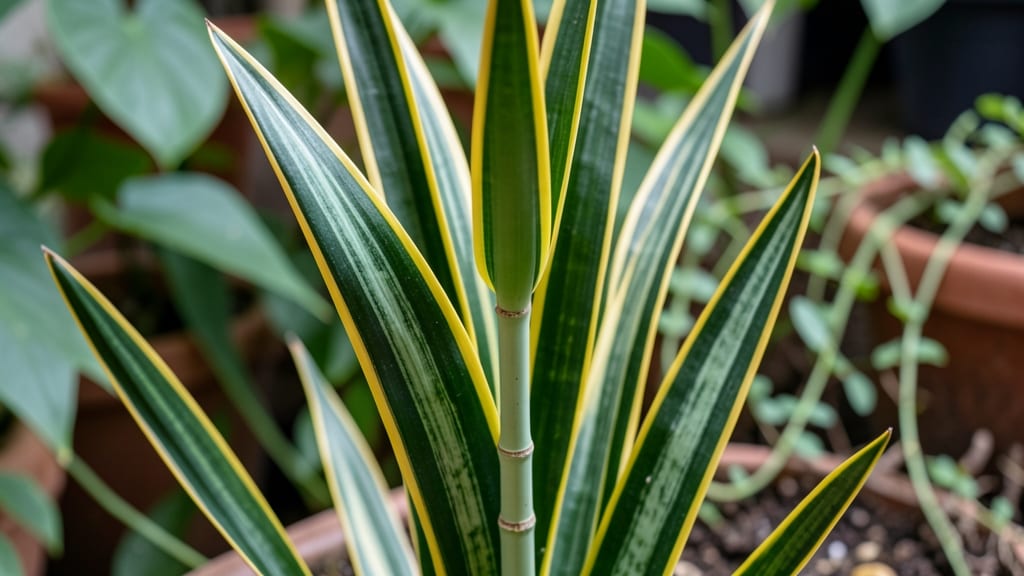
If you're wondering how tall your snake plant 🌱 could grow, the answer might surprise you—some varieties stretch toward the ceiling while others stay compact. This hardy houseplant can reach anywhere from 1 to 4 feet, depending on the variety and care you provide.
For beginners, the most common types like Sansevieria trifasciata often top out around 2 to 3 feet indoors, making them perfect for shelves or countertops. But if you have a larger space or a sun-drenched spot, don’t be shocked if yours climbs higher—especially if it’s left unpruned.
The key to controlling its height lies in light exposure, pot size, and pruning. Too much indirect sunlight can encourage rapid growth, while tight spaces or regular trimming keep it manageable.
Whether you want a floor-filling statement plant or a small tabletop buddy, understanding these factors is your secret to the perfect-sized snake plant.
Ready to learn how to keep your snake plant at your ideal height? Let’s break down the varieties, care tips, and tricks to manage its growth—no matter how ambitious your plant gets!


Snake plant growth heights by variety: from compact to towering
Snake plants (Sansevieria) are famous for their hardiness and striking foliage, but their height ranges vary dramatically depending on the variety. Some stay compact enough for small apartments, while others can grow tall enough to rival your ceiling fan.
Knowing these differences helps you choose the perfect plant for your space. I’ve grown several varieties myself, and the differences in growth habits are fascinating!
Most snake plants grow slowly, adding just a few inches per year, but their mature height can surprise you. For example, the classic 'Laurentii' can easily reach 3-4 feet tall indoors, while newer varieties like 'Moonshine' stay shorter at 1-2 feet.
Your choice of variety directly impacts how much vertical space your plant will occupy over time.
| Variety | Mature Height (Indoors) | Growth Rate | Best For |
|---|---|---|---|
| Sansevieria trifasciata 'Laurentii' | 3-4 ft | Slow to moderate | Statement plants, larger spaces |
| Sansevieria cylindrica | 2-3 ft | Moderate | Vertical interest, mid-sized rooms |
| Sansevieria 'Moonshine' | 1-2 ft | Slow | Small spaces, desks, shelves |
| Sansevieria 'Futura Superba' | 2-3 ft | Moderate | Bold foliage, larger rooms |
| Sansevieria 'Hahnii' (Bird's Nest) | 6-12 in | Very slow | Desks, terrariums, small shelves |
If you're working with limited ceiling height, varieties like 'Hahnii' or 'Moonshine' are ideal because they max out at just 1-2 feet tall. These are perfect for desks, shelves, or small apartments where vertical space is precious.
I keep a 'Moonshine' on my office desk, and it’s thrived for years without outgrowing its spot.
The tallest snake plants, like 'Laurentii' or 'Futura Superba', can reach 4 feet or more indoors with proper care. These varieties need space to stretch upward, making them better suited for living rooms, hallways, or larger offices.
If you love the look but worry about height, consider placing them near bright, indirect light to encourage bushier growth rather than tall, leggy stems.
Growth rates also vary—some varieties like 'Hahnii' grow at a snail's pace, while others like 'Cylindrica' can add 6-12 inches per year. This means a 3-year-old 'Cylindrica' could easily be 3 feet tall, while a 'Hahnii' might only reach 8-10 inches in the same time.
Understanding these differences helps you set realistic expectations for your plant’s future size.
One common misconception is that all snake plants will eventually become towering giants. In reality, many varieties stay compact if given the right care.
For example, a 'Laurentii' in a smaller pot with moderate light will grow slower and stay shorter than one in a large container with bright light. I’ve seen the same variety range from 2 feet to over 4 feet depending on these factors.
If you're unsure which variety to choose, consider your space and light conditions first. For low-light areas, taller varieties like 'Laurentii' can still thrive but may grow slower.
In bright, indirect light, even compact varieties like 'Moonshine' can grow slightly taller than expected. Always check the mature height range before purchasing to avoid surprises.
Pro tip: If you love a variety but worry about its height, you can prune it regularly to keep it at your desired size. Simply cut the tallest leaves at the base and propagate them—this encourages bushier growth and prevents your snake plant from becoming a vertical monster.
I’ve kept my 'Laurentii' under 3 feet for years using this method.
Remember, snake plants are incredibly forgiving and adaptable. Whether you choose a compact 'Hahnii' or a towering 'Laurentii', these plants will reward you with low-maintenance beauty and air-purifying benefits. Just pick the variety that fits your space—and enjoy watching it grow! 🌱
Factors that control snake plant height: light, pot size, and pruning
Your snake plant’s height growth isn’t just about genetics—it’s heavily influenced by three key factors: light exposure, pot size, and whether you prune it regularly.
Ignoring these can turn your compact Sansevieria into a towering indoor tree. Let’s break down how each factor plays a role in controlling your plant’s vertical ambitions.
First, light exposure is the biggest growth regulator. Snake plants naturally stretch toward bright indirect light, but too little light triggers etiolation—long, leggy stems reaching for light. Placing your plant near a north-facing window keeps growth balanced, while dim corners encourage rapid (but weak) upward growth.
Even artificial grow lights can help maintain compact growth if natural light is scarce.
⚠️ WARNING: Overcrowded Roots = Skyrocketing Growth
Next, pot size directly impacts height control. Snake plants thrive in snug pots—too much space encourages rapid root and stem growth. Choose a container that’s only 1-2 inches larger than the root ball.
Terracotta pots, which dry faster, also help restrict excessive growth by creating mild root stress, which triggers slower, stockier growth. Avoid oversized decorative pots unless you’re okay with a 4-foot-tall statement plant.
Pruning is your secret weapon for height management. Regularly trimming leggy stems encourages bushier growth and prevents your snake plant from becoming a ceiling-height monster. Use clean, sharp bypass pruners to cut stems at the base, then propagate the cuttings in water or soil.
Prune in early spring for best results—this gives your plant time to recover before its growth spurt. Just avoid heavy pruning in winter, when the plant is naturally dormant.
For small-space gardening, combine these techniques: place your snake plant in a small terracotta pot, give it bright indirect light, and prune leggy stems every 3-4 months. With this approach, even tall varieties like Sansevieria 'Futura Superba' will stay under 2 feet tall.
The key is consistency—skip any of these steps, and you’ll end up with a 4-foot indoor tree instead of a manageable houseplant.
Pro tip: Rotate your pot quarter-turns every 2 weeks to ensure even light exposure. This prevents one-sided stretching and keeps your snake plant’s growth balanced and compact.
With the right care, your snake plant will stay at your desired height—whether that’s countertop-friendly or just a little taller than your bookshelf.