
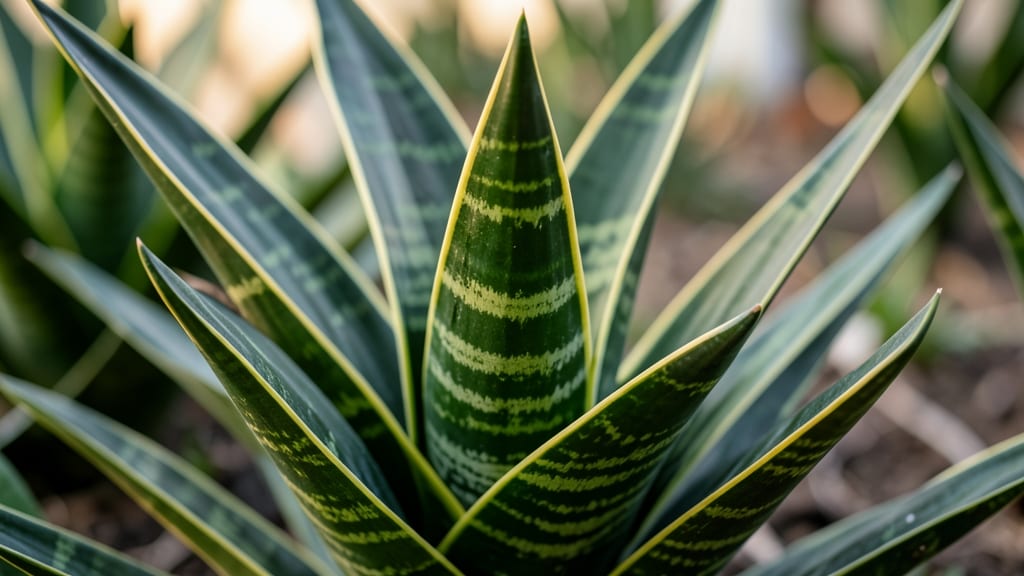
How Tall Do Snake Plants Grow: Real Height Ranges by Variety

How To

How Tall Do Snake Plants Grow: Real Height Ranges by Variety

If you’ve ever wondered how tall your snake plant 🌱 could grow, the answer might surprise you—some varieties stretch toward the ceiling while others stay compact enough for a windowsill. The key lies in understanding your plant’s genetics, care habits, and even the pot you choose.

For most snake plants, mature heights range from 1 to 4 feet, but popular varieties like Futura Superba can reach nearly 5 feet with ideal conditions. Meanwhile, the dwarf Hahnii stays a modest 1 to 2 feet tall, making it perfect for small spaces.

Whether you’re a beginner or a seasoned plant parent, knowing these differences can help you pick the perfect variety for your home.

Light exposure plays a huge role in height—too little light stunts growth, while bright indirect light encourages taller, fuller plants. Even the soil and pot size matter: cramped roots can slow growth, while spacious containers let your snake plant reach its full potential.

Let’s break down the exact heights by variety and how to nurture your plant for the perfect size.

Ready to discover which snake plant fits your space? I’ll walk you through the fastest-growing types, how to control height with simple care tweaks, and even when to repot for optimal growth. Your plant’s future size starts with the right knowledge—and I’ve got all the details.

Dwarf
1-4 ft
Container friendly
Semi-Dwarf
1-4 ft
Most popular
Standard
2-4 ft
Full orchard size

Snake plant height ranges by popular variety (with growth charts)

If you’ve ever wondered whether your snake plant will reach for the ceiling or stay compact on your shelf, the answer depends entirely on the variety—and we’ve got the exact height ranges for you. Snake plants (Sansevieria) come in stunning varieties, each with unique growth habits.

Some stay under 2 feet forever, while others can soar to over 4 feet with proper care. Understanding these differences helps you choose the perfect plant for your space and care routine.

The genetic variety of your snake plant determines its maximum height potential. Even with ideal conditions, a dwarf variety like Sansevieria 'Hahnii' will never grow as tall as a towering giant like Sansevieria 'Futura Superba'.

Below, we break down the height ranges, growth rates, and ideal conditions for 10 popular varieties, including visual growth trajectories over 5+ years.

Here’s the key takeaway: height isn’t just about genetics. Light exposure, pot size, and care habits can accelerate or stunt growth.

For example, a 'Laurentii' in a cramped pot may stay under 3 feet, while the same variety in a spacious container with bright light can easily hit 4 feet. Let’s dive into the specifics so you can predict—and control—your snake plant’s growth trajectory.

Variety Mature Height (ft) Spread (ft) Growth Rate (in/year) Ideal Light Notes
Sansevieria trifasciata 'Laurentii' 3–4 ft 2–3 ft 6–12 in Bright indirect Classic variegated variety; slow to moderate growth
Sansevieria 'Hahnii' (Bird’s Nest) 1–2 ft 1–2 ft 3–6 in Low to bright indirect Compact, rosette-forming; ideal for small spaces
Sansevieria 'Futura Superba' 4–6 ft 3–4 ft 12–18 in Bright indirect to direct Fast-growing; needs tall pots to support height
Sansevieria 'Moonshine' 2–3 ft 1.5–2.5 ft 6–10 in Low to bright indirect Glaucous blue-green leaves; slow grower
Sansevieria 'Black Gold' 2–3 ft 2–3 ft 5–8 in Bright indirect Dark, almost black foliage; moderate growth
Sansevieria 'Golden Hahnii' 1–1.5 ft 1–1.5 ft 2–4 in Low to bright indirect Dwarf variegated version of 'Hahnii'
Sansevieria 'Twisted Sister' 3–5 ft 2–3 ft 8–12 in Bright indirect to direct Twisted leaves; fast grower in ideal conditions
Sansevieria 'Zeylanica' 1–2 ft 1–2 ft 3–5 in Low to bright indirect Small, grass-like leaves; slow grower
*Sansevieria 'Cylindrica' 2–4 ft 1–2 ft 6–10 in Bright indirect to direct

Why some snake plants stay short while others tower (growth factors explained)

Have you ever noticed that your snake plant neighbors seem to grow at wildly different rates? Some varieties stay compact and bushy, while others stretch toward the ceiling like vertical rockets.

The key to understanding this lies in a mix of genetics, environmental factors, and even the way we care for them. Let’s break down why your Sansevieria might be a floor hugger or a sky scraper.

The genetic blueprint of each variety plays the biggest role. For example, the Sansevieria 'Hahnii' (also called "Bird’s Nest") typically stays under 2 feet tall, while 'Futura Superba' can soar to 4 feet or more.

These differences are hardwired into the plant’s DNA, but other factors can push them in either direction. Your light exposure, pot size, and even watering habits all influence how tall your snake plant will grow.

⚠️ callout warning ⚠️ Mistakes That Stunt or Supercharge Growth Overpotting forces roots to circle instead of spreading, which can stunt height growth.

Meanwhile, insufficient light causes plants to stretch (etiolation) toward any available light source. Overwatering weakens roots, slowing overall growth, while root-bound conditions can accelerate vertical growth as the plant competes for space. Even fertilizer overload can lead to leggy, weak stems instead of sturdy vertical growth.

Light is one of the most critical factors. Snake plants thrive in bright indirect light, which encourages balanced growth. When placed in low-light conditions, they stretch dramatically to reach light, becoming tall and spindly.

On the flip side, too much direct sunlight can scorch leaves, slowing growth entirely. The ideal spot is near an east- or west-facing window, where light is bright but filtered.

Pot size also plays a surprising role. A too-large pot holds excess moisture, which can lead to root rot and stunted growth. Conversely, a root-bound plant in a cramped pot will focus its energy on growing taller rather than wider.

If you want a compact snake plant, repot every 2-3 years into a pot just 1-2 inches larger in diameter. For towering varieties, choose a tall, narrow pot to encourage vertical growth.

Your watering habits directly impact height. Snake plants are drought-tolerant, and overwatering stresses roots, leading to slower growth. Water only when the top 2 inches of soil are completely dry.

Underwatering, however, can cause the plant to go dormant, halting growth entirely. Aim for a consistent watering schedule—every 2-3 weeks in warmer months and less frequently in winter.

Here are 5 pro tips to control your snake plant’s height:

  1. Prune regularly to encourage bushier growth in compact varieties.
  2. Use a tall, narrow pot for varieties you want to grow upward.
  3. Rotate the pot quarter-turns monthly to ensure even light exposure.
  4. Avoid fertilizing in winter to prevent leggy growth during dormancy.
  5. Repot every 2-3 years to refresh soil and prevent root-bound stress.
With the right care, you can guide your snake plant to reach its full potential—whether that’s a cozy shelf companion or a dramatic vertical statement piece. 🌿
★★★★★4.9(13 reviews)
Categories How To