
Plants
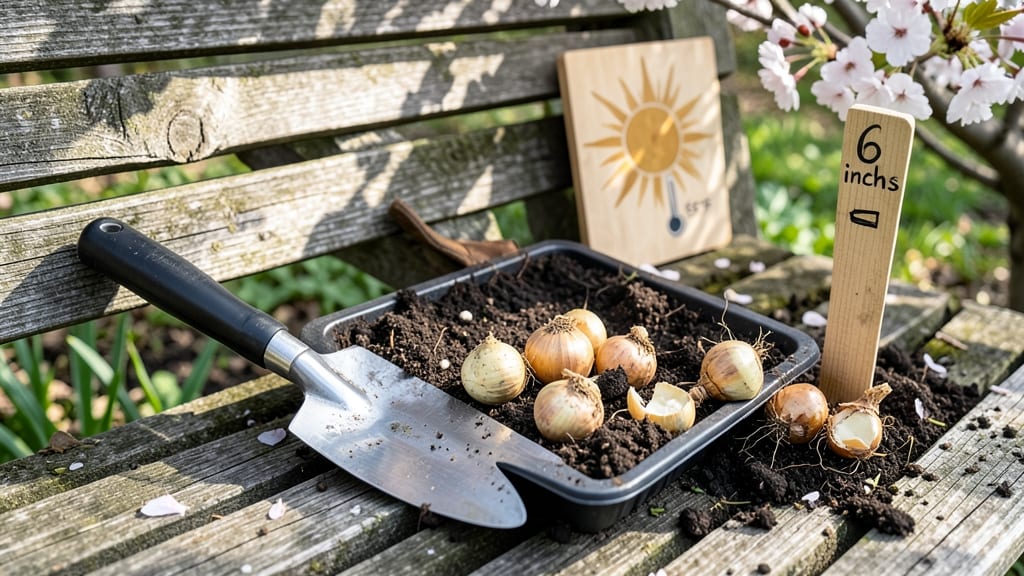
Planting gladiolus bulbs at the wrong time in Oklahoma can mean the difference between vibrant summer blooms and sad, wilted stems before they even open. With USDA zones 6b-7a and unpredictable spring weather, timing these showstopper flowers right is your secret weapon for a garden that pops.
Most gardeners wait until the last frost date—around March 15—but that’s not the full story. The key is soil temperature, not just calendar dates. Too early, and your bulbs risk frost damage; too late, and you’ll miss the prime window for strong root growth before summer’s heat sets in.
I’ve grown gladiolus in Oklahoma for years, and the exact window I’ve found works best is late February through early April. This gives your bulbs time to establish roots before the real heat arrives, ensuring those dramatic 4-5 foot stalks packed with 🌷 blooms from July through September.
Ready to avoid the common mistakes that leave gladiolus struggling? Let’s break down the perfect planting schedule, soil prep tricks, and how to adjust for Oklahoma’s tricky microclimates—so you can enjoy a border bursting with color all summer long.
Optimal gladiolus planting months in Oklahoma: exact timing for peak blooms
Timing your gladiolus bulbs in Oklahoma is all about balancing soil warmth and heat tolerance. These dramatic summer bloomers thrive when planted after the last frost but before the soil temperature exceeds 75°F. In Oklahoma’s USDA zones 6b-8a, that window is narrow but critical for robust growth.
Gladiolus bulbs need 6-8 weeks of warm soil to establish roots before summer’s intensity. Planting too early risks frost damage, while late planting may stress bulbs before they bloom.
The ideal window shifts slightly between northern and southern Oklahoma, but March and early April are the safest bets for most gardeners.
| Planting Window | USDA Zone | Soil Temp Requirement | Heat Tolerance | Bloom Time |
|---|---|---|---|---|
| Late February - Early March | 6b (Northern OK) | 55-60°F (13-16°C) | Moderate (needs shade in July) | July-August |
| Mid-March - Early April | 7a-8a (Central/Southern OK) | 60-65°F (16-18°C) | High (thrives in heat) | June-July |
| Early April (Last Chance) | All Zones | 65°F+ (18°C+) | Lower (smaller blooms) | August-September |
🌱 Note: Late April plantings risk stunted growth in Oklahoma’s heat.
For northern Oklahoma (zone 6b), aim for late February to early March when soil temperatures hover around 55-60°F. This gives bulbs time to root before the last frost date (around March 15).
In central and southern Oklahoma (zones 7a-8a), wait until mid-March to early April when soil warms to 60-65°F.
Gladiolus bulbs are heat-tolerant once established, but they hate soggy soil. Oklahoma’s clay-heavy soils in spring can trap moisture, so amend with compost or sand to improve drainage. Plant bulbs 4-6 inches deep and 6 inches apart to prevent rot and crowding.
If you miss the spring window, late summer replanting (August) is possible but risky. Bulbs planted after July 15 may not bloom until next year. For container gardening, use well-draining mixes and plant 2-3 weeks earlier than in-ground to compensate for faster soil warming.
Watch for soil temperature spikes—gladiolus bulbs struggle when soil exceeds 85°F for extended periods. In southern Oklahoma (zone 8a), mulch with straw or wood chips to regulate temperature and retain moisture during Oklahoma’s dry spells.
Pro tip: Pre-soak bulbs in lukewarm water for 24 hours before planting to jumpstart root growth. This is especially helpful in drought-prone areas like western Oklahoma where spring rains are unreliable.
Timing isn’t just about months—it’s about weather patterns. Check the National Weather Service for Oklahoma’s 10-day forecasts before planting. A heatwave in April can stress newly planted bulbs, while unseasonal frosts in March can damage emerging shoots.
For extended blooms, stagger plantings every 2-3 weeks from March through early April. This ensures a continuous display from July through September, even in Oklahoma’s intense summer heat. Just remember: patience pays off—gladiolus bulbs need time to establish before they reward you with those showstopping spikes.
How to adjust gladiolus planting for Oklahoma’s microclimates and soil types
Oklahoma’s diverse climate—from the cooler, wetter north to the hot, dry southern plains—means your gladiolus planting strategy should adapt to local conditions. In northern Oklahoma (USDA zones 6b-7a), where spring frosts linger until mid-April, plant bulbs in late March to early April after soil reaches 60°F.
Meanwhile, southern Oklahoma (zones 7b-8a) gardeners can start as early as late February to beat the summer heat and ensure blooms before temperatures soar.
Soil type plays a critical role too. Oklahoma’s clay-heavy soils, common across much of the state, can suffocate gladiolus roots if not amended. These bulbs thrive in well-draining, slightly sandy soil with a pH of 6.0-6.8.
If your soil is compacted, mix in 2-3 inches of compost or coarse sand before planting to improve aeration and prevent rot.
⚠️ WARNING: Planting Too Early in Oklahoma’s Microclimates
For drought-prone areas, like the Panhandle or western regions, prioritize mulching and irrigation adjustments. Apply 2-3 inches of organic mulch (straw or pine needles) immediately after planting to lock in moisture.
Water deeply twice weekly during establishment, then taper to once weekly once foliage emerges. Use drip irrigation to deliver water directly to the roots, minimizing evaporation.
In clay-heavy soils, consider raised beds to improve drainage. Fill beds with a mix of 50% native soil, 30% compost, and 20% perlite. This blend mimics ideal gladiolus conditions while preventing waterlogging. Add a slow-release fertilizer (10-10-10) at planting time to support early root growth in nutrient-poor clay.
Adjust your watering schedule based on Oklahoma’s heat intensity. In southern Oklahoma, where summer temperatures exceed 100°F, water gladiolus every 3-4 days during peak heat, focusing on the base of the plant to avoid fungal diseases like botrytis.
In contrast, northern Oklahoma may only need weekly watering once established, thanks to cooler temperatures and higher humidity.
Finally, choose heat-tolerant varieties like 'Red Shades' or 'Green Gauntlet' for southern Oklahoma, as they handle 90°F+ temperatures better than traditional types. For northern gardens, opt for 'Pink Star' or 'Black Pearl', which bloom earlier and tolerate lighter frosts.
With these adjustments, your gladiolus will flourish across Oklahoma’s diverse landscapes.