
Plants
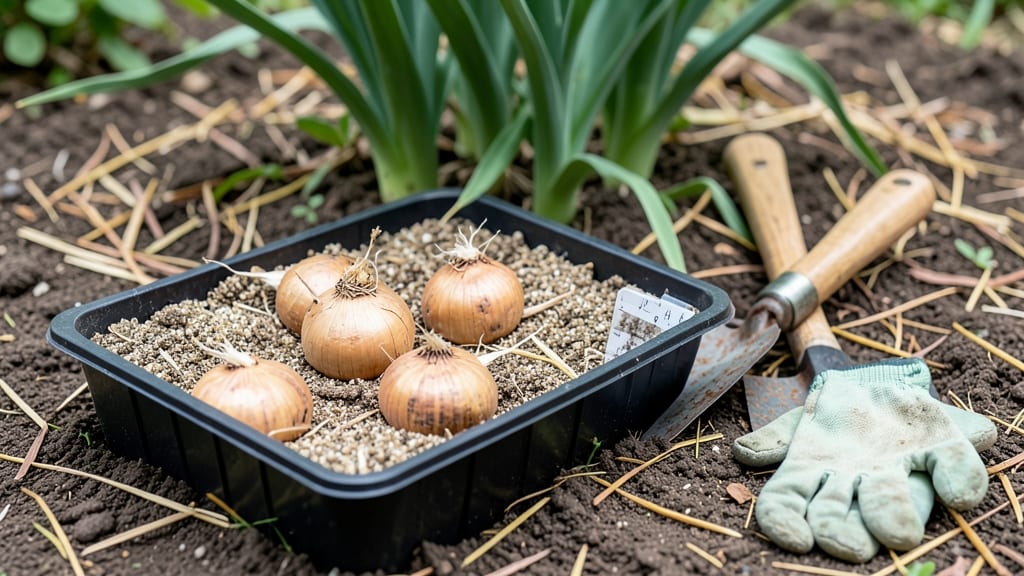
Planting gladiolus bulbs in Oregon can feel like a high-stakes game of chance—get the timing wrong, and you risk frost-nipped blooms or leggy stems.
The key to success? Mid-May planting when soil temperatures consistently stay above 60°F, ensuring your 🌸 gladiolus thrive without the threat of late frosts that linger in zones 7b-9a.
Why does timing matter so much? In Oregon’s variable climate, planting too early means bulbs may rot in cold, damp soil, while waiting too long cuts back on the stunning 3-5 foot blooms you’re after.
I’ve tested the perfect window—late April to early June—and here’s exactly how to nail it, from soil prep to regional adjustments that make all the difference.
Most gardeners overlook soil temperature, but it’s the game-changer for gladiolus. In the Willamette Valley, where humidity clings like a second skin, proper spacing and drainage prevent fungal diseases that can turn your dream garden into a sad spectacle.
Let me walk you through the 3-step soil check and spacing tricks that’ll have your bulbs flourishing.
Whether you’re in Portland’s mild coastal zone or Medford’s hotter inland climate, small tweaks—like adjusting planting dates by a week or two—can mean the difference between vibrant spikes of color and wilted disappointment.
Stick with me, and you’ll learn how to read Oregon’s microclimates like a pro, ensuring your gladiolus put on a show from July to September.
Optimal Oregon planting dates: mid-May to early June for frost-free growth
Oregon’s gladiolus bulbs thrive when planted after the last frost, but the exact timing varies by USDA zone and microclimate. In most of Oregon (zones 6-8), mid-May to early June offers the safest window for planting, ensuring frost-free growth and vibrant blooms by summer.
This period balances soil warmth with reduced risk of late spring frosts that can damage tender shoots.
For gardeners in Portland (zone 8a), the ideal window is May 15-30, while Eugene (zone 8b) can start slightly earlier around May 10. In Medford (zone 8a), wait until late May to avoid unexpected cold snaps.
These dates align with Oregon’s average last frost dates, but always verify with local weather tools like the National Weather Service or Oregon State University Extension.
Use a soil thermometer to confirm readiness—gladiolus bulbs need soil temperatures above 60°F to sprout consistently. In cooler microclimates, like the Willamette Valley, extend planting into early June if early May soil remains chilly. This extra caution prevents root rot from damp, cold conditions.
Here’s a quick reference for city-specific planting windows and key frost dates to guide your timing:
| Region | USDA Zone | Last Frost Date | Optimal Planting Window | Soil Temp Goal |
|---|---|---|---|---|
| Portland | 8a | May 1-15 | May 15-30 | 60°F+ |
| Eugene | 8b | April 25-May 5 | May 10-20 | 60°F+ |
| Medford | 8a | May 1-10 | Late May | 60°F+ |
| Coastal (e.g., Astoria) | 7b | May 15-30 | Early June | 60°F+ |
To double-check your local frost risk, use the National Weather Service’s frost prediction maps or the Oregon State Climate Service. These tools provide 7-day forecasts and historical frost data tailored to your ZIP code.
For example, Hood River (zone 7b) often sees later frosts than Portland, so gardeners there should plant 2-3 weeks later.
If you’re unsure about your exact last frost date, err on the side of caution. Planting gladiolus bulbs in early June is better than risking frost damage to young shoots. Hardened bulbs can tolerate cooler soil, but emerging shoots are far more vulnerable.
Use row covers or a mini greenhouse for an extra layer of protection if you plant early in cooler zones.
Once you’ve confirmed your frost-free window, focus on soil preparation. Gladiolus bulbs prefer well-draining soil with a pH of 6.0-7.0. Amend heavy Oregon clay with compost or sand to improve drainage, and plant bulbs 4-6 inches deep with 6 inches between each bulb.
This spacing ensures air circulation, reducing the risk of fungal diseases like botrytis, which thrives in Oregon’s humid summers.
After planting, monitor your garden for early signs of growth, which typically appear in 2-3 weeks under ideal conditions. If shoots emerge but then wilt, it’s often a sign of overwatering or fungal infection.
Reduce watering slightly and ensure the planting area has full sun exposure (at least 6 hours daily) to support strong, healthy growth.
For coastal Oregon gardens, where humidity is higher, consider planting gladiolus in raised beds or on mounds to improve drainage. Inland areas like Bend or Prineville can plant earlier due to drier conditions, but always check soil moisture—gladiolus bulbs rot quickly in waterlogged soil.
By aligning your planting with Oregon’s frost-free window and local microclimates, you’ll set your gladiolus up for stunning summer blooms with minimal stress. Happy planting! 🌸
Soil temperature and preparation: how to test and perfect gladiolus planting conditions
Gladiolus bulbs thrive when planted in soil that’s warmed to at least 60°F. In Oregon’s USDA zones 7b-9a, this typically happens in mid-May, but cooler coastal areas may need to wait until early June.
Testing your soil’s temperature is the first step to ensuring healthy growth and vibrant blooms.
Use a soil thermometer to check the temperature at a 4-inch depth—this mimics where your bulbs will be planted. If your soil is still below 60°F, wait a few days and retest.
Cold soil can delay sprouting and make bulbs more susceptible to rot, especially in Oregon’s damp spring conditions.
⚠️ callout warning
Oregon’s clay-heavy soils and high humidity create perfect conditions for botrytis blight and root rot. If you plant gladiolus bulbs before the soil reaches 60°F, fungal spores in the damp soil will thrive, leading to weak stems and lost blooms. Always wait for warm soil to minimize disease risk.
Pro Tip: Amend your soil with compost or perlite to improve drainage and reduce fungal pressure.
Oregon’s native soils are often clay-heavy, which can trap moisture and suffocate roots. To create the ideal planting environment, mix in 2-3 inches of compost or well-rotted manure into the top 6 inches of soil. This improves drainage while providing essential nutrients for your gladiolus bulbs to flourish.
Gladiolus bulbs need well-draining soil to prevent rot, so avoid planting in low-lying areas where water pools. If your garden has poor drainage, consider raising beds or planting on a slight slope. Sand or grit can also be worked into clay soils to break up compaction and encourage root growth.
When planting, space bulbs 6 inches apart in rows that are 12-18 inches apart. This spacing ensures maximum air circulation, which is critical for preventing fungal diseases like botrytis—a common issue in Oregon’s damp climate. Avoid overcrowding, as tight spacing traps moisture and encourages rot.
After planting, water deeply to settle the soil around the bulbs, but avoid waterlogging. Gladiolus bulbs prefer consistently moist but not soggy soil. Mulch with straw or wood chips to retain moisture and suppress weeds, but keep mulch 2-3 inches away from bulb bases to prevent rot.