
Plants
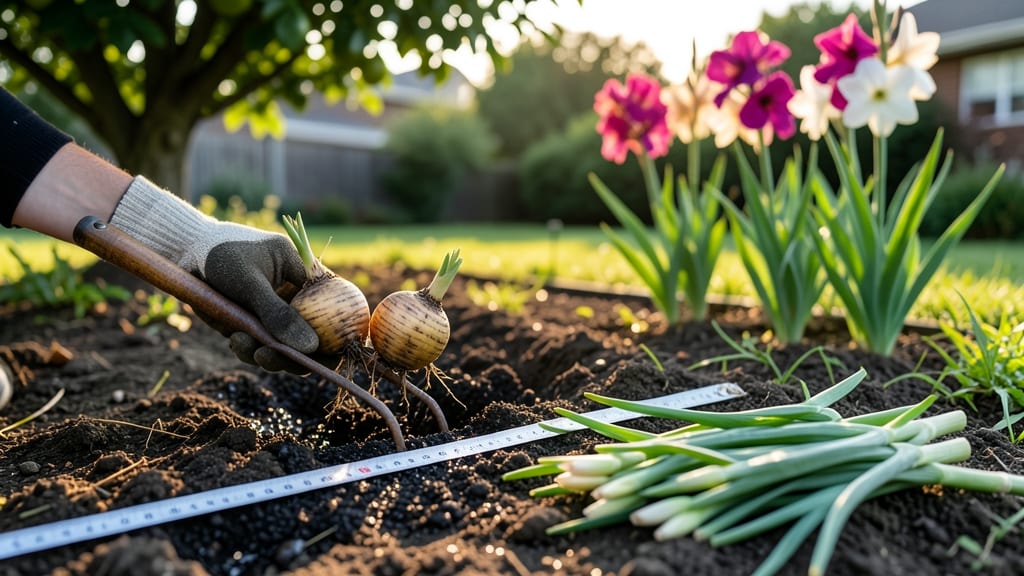
When to plant gladiolus bulbs in Connecticut can make or break your summer blooms—plant too early, and frost will zap those delicate corms, while waiting too long risks missing the prime window for strong, sturdy stems that support those show-stopping 🌸 flowers.
Here’s the game-changer: Connecticut’s Zone 6a climate demands patience—wait until the soil warms to at least 55°F, typically by mid-April, but don’t rush it.
The last frost usually lingers around April 15, so aim for mid-April to late May to give your gladiolus the head start they need for those towering, 3-5-foot stems.
Why does this matter? Because gladiolus thrive on consistency—plant them too soon, and your blooms may flop in July’s humidity. Too late, and you’ll miss the 90-120-day growth cycle needed for vibrant summer displays. I’ll walk you through the exact soil checks and regional tweaks to nail this every time.
From Hartford’s cooler pockets to coastal areas that warm faster, we’ll cover how to adjust your planting schedule—and why soil temperature beats calendar dates for foolproof results. Let’s get those gladiolus corms in the ground the right way.
Connecticut gladiolus planting timeline: soil temperature & frost-free dates
Timing your gladiolus corms in Connecticut’s Zone 5-6 climate means balancing soil temperature and frost-free dates. Plant too early, and a late frost will damage tender shoots—too late, and you’ll miss summer blooms.
The ideal window starts when soil reaches 55°F+, typically mid-April to late May, after your average last frost date of May 15. This ensures strong stems and vibrant blooms by July.
Connecticut’s diverse microclimates complicate timing. Coastal areas like Groton or New London often warm up 1-2 weeks earlier than inland zones like Hartford or Torrington. For Hartford, aim for late April to early May, while coastal gardeners can start as early as mid-April.
Always check your local frost-free date using the CT Agricultural Experiment Station or Almanac for precision.
To maximize your gladiolus blooms, plant 4-6 weeks before your last frost date. For Hartford gardeners, this means late April to early May, while coastal areas can start mid-April. Use a soil thermometer to confirm 55°F+ soil temperature—gladiolus corms won’t sprout in colder soil.
Pro tip: Plant early varieties first (like ‘Picasso’) for July blooms, then add late varieties (like ‘Green Star’) for September color.
Regional variations matter. Inland valleys like Farmington often experience colder nights, delaying planting by 1 week. Coastal gardens near New Haven benefit from warmer microclimates, allowing earlier planting.
Always adjust for urban heat islands—cities like Bridgeport may warm up 5-7 days earlier than rural areas. Check local weather stations for real-time updates.
Once planted, gladiolus corms need full sun (6+ hours daily) and well-draining soil. In CT’s clay-heavy soils, amend with compost or sand to prevent rot. Water deeply once a week after planting, then reduce to every 10 days once shoots emerge.
Overwatering in humid CT summers leads to fungal diseases like botrytis, so prioritize morning watering.
For summer/fall shows, aim to plant by early May. This gives corms 120-150 days to mature before blooming. Late plantings (after May 15) may produce smaller flowers or miss peak season.
Use mulch to retain soil warmth and prevent frost heave—critical in CT’s unpredictable spring. Monitor local forecasts and be ready to cover plants if frost threatens after sprouting.
Staking is essential for tall gladiolus varieties (3-5 ft). Install 3-foot stakes at planting to avoid damaging roots later. In CT’s windy conditions, stakes prevent stem breakage
How to adjust gladiolus planting for CT’s microclimates: coastal vs. inland tips
Connecticut’s diverse geography creates unique challenges for gladiolus growers. Whether you’re in coastal New London with milder winters or inland Hartford with colder springs, timing and soil prep make all the difference.
Coastal areas often see earlier last frosts (mid-April) while inland valleys can linger near freezing until late May. These microclimates demand tailored approaches to ensure your gladiolus corms establish strong roots before summer heat arrives.
Urban heat islands in cities like Bridgeport or Stamford add another layer of complexity. Concrete and asphalt trap heat, creating soil temperatures 5-10°F warmer than rural areas. This means you might need to plant 1-2 weeks earlier in city gardens compared to nearby farmland.
Always check soil temperature with a probe—gladiolus corms need consistent 55°F+ for 2+ weeks before planting.
Soil type also varies dramatically across CT. Coastal areas often have sandy, well-draining soils that require organic matter amendments (compost or peat moss) to retain moisture. Inland regions frequently feature clay-heavy soils that need gypsum or coarse sand to improve drainage. Amend your soil 4-6 weeks before planting to give gladiolus roots the ideal loamy texture they crave for strong stem development.
| Microclimate | Planting Window | Soil Prep | Key Adjustment | Example CT Location |
|---|---|---|---|---|
| Coastal Areas | Mid-April to early May | Sandy soil + compost | Plant 2 weeks earlier than inland | Groton, New London |
| Inland Valleys | Late May to early June | Clay soil + gypsum | Wait for consistent 60°F soil | Hartford, Torrington |
| Urban Heat Islands | Early April to late May | Moisture-retaining mulch | Plant 1-2 weeks earlier than rural | Bridgeport, Stamford |
For coastal plantings, focus on moisture retention—sandy soils dry out quickly. Mix in 4-6 inches of compost and apply 2 inches of mulch after planting. In inland clay soils, create raised beds if possible or amend with coarse sand and peat moss to prevent waterlogging.
Urban gardeners should prioritize drip irrigation systems to maintain consistent moisture without overwatering.
After planting, monitor your gladiolus closely for stem strength. Coastal varieties may need staking earlier (when stems reach 12 inches) due to wind exposure, while inland plants can often wait until 18 inches tall.
Always use biodegradable stakes to avoid damaging roots during summer storms—CT’s unpredictable weather can shift from sunny to stormy in hours.
Remember: gladiolus thrive on consistency. Whether you're in coastal Mystic or inland Litchfield, maintain even moisture and full sun exposure (6+ hours daily) for the best blooms. With these microclimate adjustments, you’ll enjoy vibrant summer flowers from July through September—just in time for CT’s garden shows! 🌸