
Plants
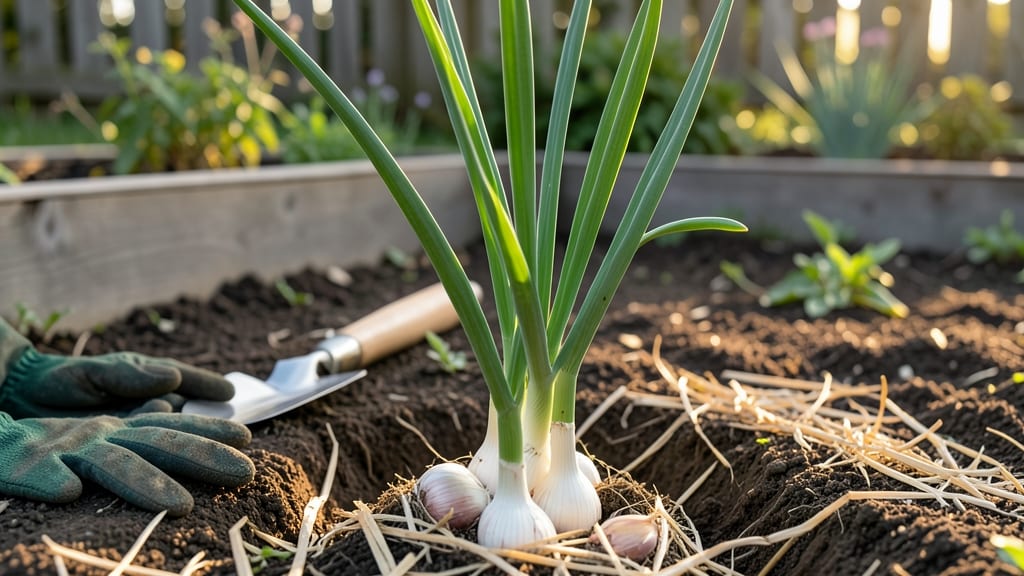
Planting garlic in South Texas isn't as straightforward as following the old "October rules"—because frost-free winters throw a wrench into traditional timing. Most gardeners assume garlic needs cold dormancy, but in zones 9a-10a, the key is working with your climate's quirks instead of against them.
Here's the secret: Hardneck and softneck varieties both thrive in South Texas, but they demand different approaches. Hardnecks need a cool period to form scapes, while softnecks grow best with consistent warmth.
That means your planting window isn't just about months—it's about soil temperature, shade strategies, and watering tricks most guides skip.
I've tested both types in this heat, and what works isn't what you'll find in northern gardening books. We're talking extended fall planting, summer shade cloth, and even winter harvests for softnecks. Ready to break the rules and grow garlic that actually bulbs up in our climate?
The right timing could mean the difference between scraggly cloves and plump, flavorful harvests by April-May. Let me show you exactly when—and how—to plant for zero-frost success.
Optimal South Texas garlic planting months for hardneck vs softneck varieties
South Texas's mild winters and hot summers create a unique challenge for garlic growers. While most regions plant in fall for winter dormancy, our USDA Zone 9a-10a climate demands a different approach.
Hardneck and softneck varieties both thrive here—but their planting windows differ dramatically to avoid summer stress. Let's break down the perfect timing for each type.
Hardneck varieties like 'German Red' and 'Music' need cool winter months to form bulbs. In South Texas, this means planting in late October to early November when soil temps drop below 75°F.
Softnecks, such as 'Silverskin' or 'Artichoke', are more heat-tolerant and can handle extended growing seasons, allowing a broader window from September to December.
Here's the key difference: hardnecks rely on winter dormancy to develop bulbs, while softnecks focus on steady growth without needing cold snaps. Our frost-free climate means we must work with these natural tendencies rather than against them. Let’s compare their ideal planting schedules in detail.
| Factor | Hardneck Varieties | Softneck Varieties |
|---|---|---|
| Best Planting Window | Late October - Early November | September - December |
| Soil Temperature | Below 75°F | 50°F - 85°F |
| Key Growth Trigger | Winter dormancy | Consistent warmth |
| Bulb Maturation | Spring (March-April) | Summer (May-July) |
| Heat Tolerance | Moderate (80°F max) | High (90°F+) |
| Dormancy Needs | Critical (4-6 weeks below 60°F) | Minimal (No dormancy required) |
| South Texas Adaptation | Plant earlier to capture cool season | Plant later to avoid summer stress |
For hardnecks, aim to plant 6-8 weeks before the first hint of cooler weather—typically by November 1st. This gives cloves time to establish roots before December's mild chill.
Use a row cover if temps dip below 50°F to simulate dormancy. Softnecks, however, can handle warmer soils, so September plantings work well for an early harvest in spring.
Soil temperature is critical: hardnecks need 50-65°F for root development, while softnecks thrive in 60-85°F. In South Texas, this translates to planting hardnecks when daytime highs are 75°F or lower.
Use a soil thermometer to monitor—don’t guess! For softnecks, wait until soil temps stabilize above 60°F in September to avoid heat shock.
Hardnecks will send up scape shoots in late winter (February-March), signaling bulb formation. Remove these shoots to redirect energy to the bulb. Softnecks won’t scape but will continue growing through spring and into summer.
Harvest softnecks when lower leaves brown (typically May-July), while hardnecks are ready by April.
Pro tip: If you miss the fall window, hardnecks can sometimes be planted in January for a summer harvest, but yields will be smaller. Softnecks are far more forgiving—you can even plant them in early spring (February-March) for a fall harvest, though bulbs may be smaller.
The key is matching the variety to your climate window.
One common mistake is assuming all garlic behaves the same. Hardnecks planted too late may bolt prematurely from heat stress, while softnecks planted too early can rot in warm, wet soils.
Pay attention to leaf color: healthy hardneck leaves should be deep green by winter, while softnecks will stay lush year-round in our climate.
To maximize success, test your soil’s pH (6.0-7.0) and amend with compost before planting. Both types need well-draining soil, but softnecks benefit from extra organic matter to retain moisture during summer. Mulch with straw to regulate soil temps and reduce weeds—critical in South Texas’s hot, dry summers.
Remember: the goal isn’t to mimic traditional garlic-growing regions but to work with South Texas’s unique conditions. With the right timing and variety, you can enjoy homegrown garlic year-round, from hardneck harvests in spring to softneck storage through summer. Happy planting!
How to adjust traditional garlic planting methods for South Texas's zero-frost climate
Traditional garlic planting advice assumes cold winters to trigger dormancy, but South Texas's zero-frost climate (USDA Zones 9a-10a) requires big adjustments. Without winter chill, garlic grows continuously, leading to bolting or poor bulb formation. The key is mimicking dormancy through strategic timing and care.
Instead of planting in fall for a winter rest, South Texas gardeners must plant in early spring (February-March) to align with natural growth cycles. This shift prevents heat stress during summer months while still allowing bulbs to mature before extreme summer heat arrives.
🌱 Critical Adjustments for South Texas Garlic Growing
- 📅 Plant in February-March (not fall) to avoid summer heat
- 🌿 Use shade cloth (30-50%) during peak summer months
- 💧 Deep water 2-3x weekly with morning irrigation only
- 🌡️ Maintain soil temps below 85°F (use mulch)
- 🌱 Choose heat-tolerant varieties like 'Silverskin' or 'Artichoke'
Your soil preparation must focus on moisture retention and temperature regulation. Amend beds with 2-3 inches of compost and 1 inch of coarse sand to improve drainage while holding moisture. Test soil pH (aim for 6.0-7.0) and add lime if needed—garlic hates alkaline conditions.
For irrigation, South Texas gardeners should adopt a drip system with morning-only watering to prevent fungal diseases. Avoid overhead sprinklers, which can burn leaves in our intense sun. During summer months, increase watering frequency to every 2-3 days while keeping soil consistently moist but never soggy.
To extend your growing season, consider successive plantings every 4-6 weeks from February through April. This staggered approach ensures continuous harvests while preventing overcrowding and resource competition. Just be sure to harvest before temperatures exceed 90°F—this is when bulbs start to shrink and bolting becomes likely.
Finally, mulch heavily (3-4 inches of straw or wood chips) to insulate roots and retain moisture. This mimics the dormancy effect of cold winters, helping bulbs develop properly despite our warm climate.
With these adjustments, you'll bypass the frost requirement entirely while still producing large, flavorful bulbs—just on a different schedule. 🌱