
Companion Plants
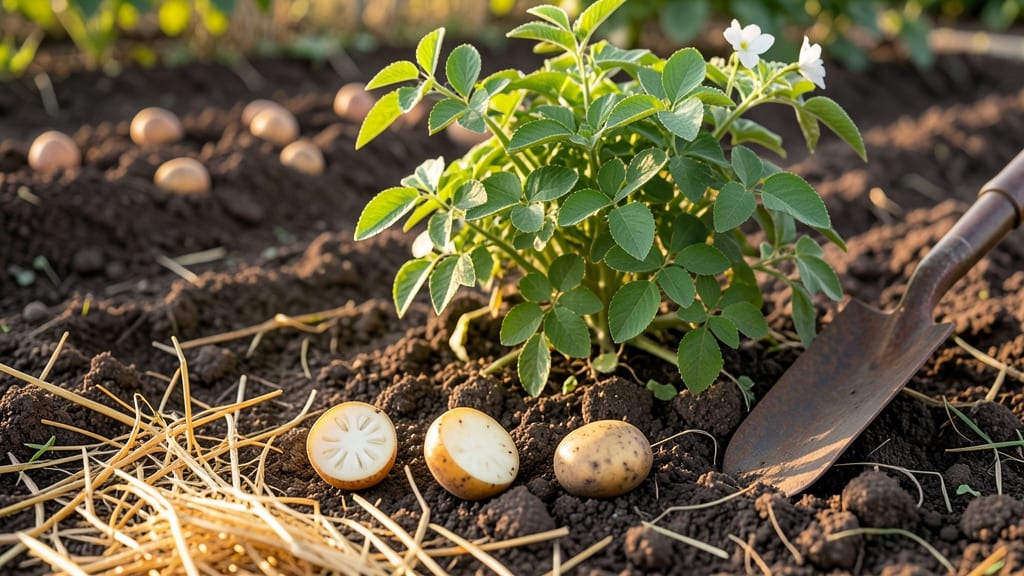
Planting potatoes in Texas isn't just about tossing them in the dirt and hoping for the best—timing is everything, especially when your last frost could be as early as mid-February in North Texas or nonexistent in South Texas.
The 🥔 thrives when soil temperatures hit that sweet spot of 50-60°F, but one wrong move and your harvest could bolt before it even forms.
Whether you're in Zone 8a or 10b, knowing your frost-free window is the key to success.
I’ve grown potatoes in Texas for years, and the difference between a bumper crop and a sad little harvest often comes down to planting at the right time—whether that’s mid-February for spring or September for fall.
But here’s the thing: Texas heat can turn your potato patch into a disaster if you’re not careful. Early varieties like Yukon Gold are your best bet, and mulching can save your crop from wilting before it’s ready.
Let me walk you through the exact planting schedule for your region, plus the tricks that actually work in our unpredictable climate.
Ready to dig in? By the end, you’ll know exactly when to plant, how to beat the heat, and why some gardeners swear by fall harvests—even in the Lone Star State’s sweltering summers.
Texas potato planting calendar by region: frost dates & soil temperature guide
Texas's diverse climate means your potato planting timeline depends heavily on your USDA hardiness zone. In North Texas (Zone 8a), frost can linger until mid-February, while South Texas (Zone 10b) rarely sees frost at all.
The key to success? Planting when soil temperatures hit 50-60°F—this triggers tuber formation and prevents rot in warm soil.
For most Texans, the best planting window runs from mid-February to early April in North Texas and September to October in South Texas for fall harvests. But don't guess—check your local average last frost date and adjust accordingly.
In Central Texas (Zone 8b), you've got a slightly longer window thanks to milder winters.
Here’s how to align your planting with Texas’s three main regions, including soil temperature requirements and frost-free days to maximize your harvest:
If you're in North Texas, aim to plant 4-6 weeks before your last frost date—typically by mid-February. Use row covers or black plastic mulch to warm the soil faster if temperatures dip below 50°F.
For Central Texas, you’ve got a little more flexibility, but don’t wait past early April or risk bolting (premature flowering) from heat.
South Texas gardeners have a unique advantage: fall planting works beautifully here. Plant seed potatoes in September or October to harvest before the hot summer months. Choose heat-tolerant varieties like 'Red LaSoda' or 'Yukon Gold' to avoid stress.
Pro tip: Mulch heavily with straw to keep soil cool and retain moisture during Texas’s brutal summers.
One common mistake? Planting too early when soil is still cold. Potatoes won’t sprout until temperatures reach 45°F, but tubers form best at 50-60°F. Use a soil thermometer to check—if it’s below 50°F, wait a week or two. Patience here prevents rot and poor yields.
For container growers, adjust your timeline by 2-3 weeks earlier—pots heat up faster than garden beds. Fill containers with well-draining potting mix and keep them in partial shade during peak afternoon heat. This works especially well for South Texas, where summer temps can exceed 100°F.
Remember: Harvest timing is just as critical as planting. In North Texas, start digging in April when foliage yellows, but in South Texas, aim for November-December to beat the heat. Cure your potatoes in a cool, dark, dry place for 1-2 weeks to develop flavor and storage life.
🌱
How to adjust potato planting for Texas heat: early varieties & shade solutions
Texas’s brutal summer heat can turn your potato patch into a failed experiment if you don’t plan ahead. The key is choosing heat-tolerant varieties and creating microclimates with shade to prevent your plants from bolting (sending up flowers too early).
With the right approach, you can still enjoy a bountiful harvest even in the Lone Star State’s hottest months.
Early-maturing varieties like 'Yukon Gold' and 'Red LaSoda' are your best bets—they mature in 60-90 days, giving them time to produce tubers before the heat peaks. These varieties also handle partial shade better than traditional late-season potatoes, making them ideal for Texas gardens.
Shade cloth (30-50%) is a game-changer for Texas gardeners. It reduces soil and air temperatures by up to 10-15°F, slowing bolting and extending your planting window. Pair it with organic mulch (straw or grass clippings) to keep roots cool and moisture levels steady.
-
Choose Early Varieties
Yukon Gold (90 days), Red LaSoda (70 days), or 'Early Girl' (60 days) -
Use Shade Cloth
30-50% shade cloth to reduce heat stress; install before planting -
Mulch Heavily
Apply 3-4 inches of straw or grass clippings to retain moisture -
Water Deeply
1-1.5 inches weekly; morning watering prevents evaporation -
Avoid Fertilizing
Skip nitrogen-heavy feeds in summer; use compost instead
For container gardening, opt for black plastic pots (they absorb heat) and place them in elevated beds with drip irrigation. This setup mimics the cool, moist conditions potatoes love while keeping roots protected from extreme temperatures.
If your garden gets consistent afternoon sun, consider planting potatoes under a trellis or pergola for dappled shade.
Timing is everything in Texas. Plant seed potatoes in late winter (February-March) for a spring harvest, or go for a fall crop in September-October to avoid summer’s worst heat. With these adjustments, you’ll beat the heat and enjoy homegrown spuds year-round.
Don’t let Texas’s heat deter you—with the right varieties and a little shade, your potato patch can thrive even in the 100°F+ summers. Start small, experiment with microclimates, and soon you’ll be harvesting potatoes all season long! 🌱