
Plants
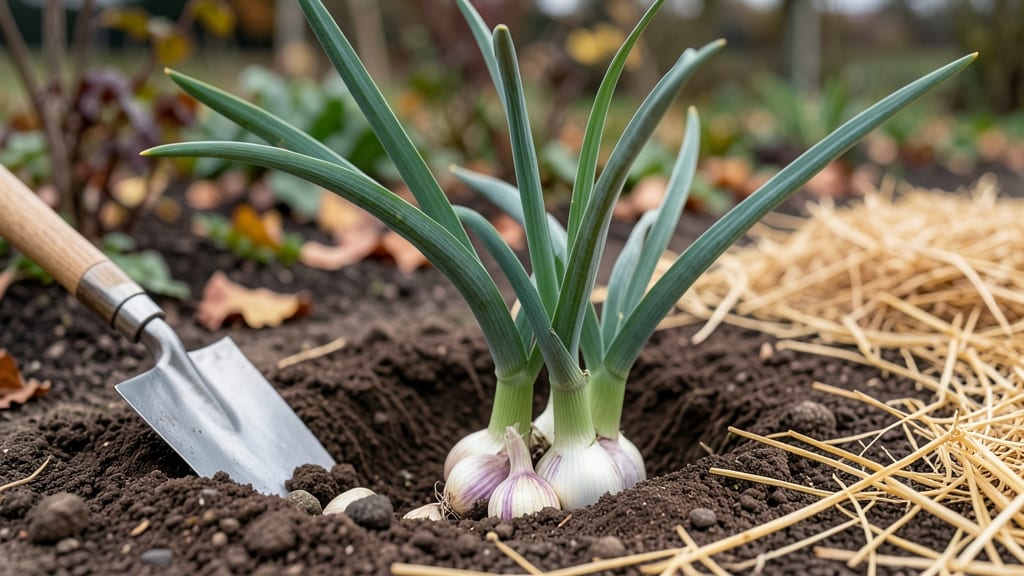
Planting garlic in South Louisiana isn't just about timing—it's about outsmarting the region's humidity and unpredictable weather. The October-November window gives your 🧄 the best shot at forming plump bulbs before summer heat sets in, but even a few weeks off can mean moldy cloves or stunted growth.
Most gardeners assume garlic thrives anywhere with mild winters, but South Louisiana's 8a-9a climate demands extra care. Heavy clay soils and hurricane season can turn a good harvest into a gamble if you don't adjust your approach.
I've learned the hard way that planting too early risks fungal pressure, while waiting too long leaves your crop vulnerable to spring rains.
What sets successful Louisiana garlic growers apart? It's not just the calendar—it's the microclimate hacks that protect your crop from rot and pests. From choosing the right varieties to preparing soil with fungal-resistant amendments, small tweaks make a huge difference in your yield.
Let me show you exactly how to do it right.
In this guide, you'll discover the ideal planting schedule for your specific corner of the state, plus how to adjust for New Orleans' coastal breezes or Lafayette's inland heat.
We'll cover everything from soil prep to post-harvest storage so your garlic stays fresh through summer—no more sad, shriveled cloves at your farmers' market.
Optimal planting windows for South Louisiana garlic: microclimate breakdown
South Louisiana’s humid subtropical climate creates unique challenges for garlic growers. Unlike northern regions, we don’t have to worry about harsh winters—but we face high humidity, hurricane risks, and soil temperature fluctuations that demand precise planting timing.
The key is planting 4-6 weeks before your first frost (typically mid-October to November) while avoiding the region’s peak fungal pressure during summer months.
Your microclimate matters more than your ZIP code. New Orleans’ coastal influence keeps soils warmer longer, while inland areas like Lafayette experience cooler nights. Baton Rouge sits in between, with heavier clay soils that require special preparation.
These differences can shift your ideal planting window by 2-3 weeks—so let’s break it down by region to maximize your yield and avoid rot-prone conditions.
Here’s how to align your planting schedule with South Louisiana’s three distinct garlic-growing zones, including soil temperature targets and hardneck vs. softneck considerations:
For New Orleans gardeners, the coastal breeze extends your growing season, but it also brings higher humidity that encourages fungal diseases like white rot. Plant softneck varieties like 'Chetwynd' or 'Silverskin'—they handle heat better and store longer.
Elevate beds slightly to improve drainage, and consider drip irrigation to keep foliage dry.
In Baton Rouge’s clay-heavy soils, focus on soil amendment before planting. Mix in 2-3 inches of compost or aged pine bark to break up compaction. Hardneck varieties like 'German White' or 'Music' perform well here, especially if you’re harvesting scapes in spring.
Avoid planting after mid-November—the soil stays too warm, leading to bolting (premature flowering).
Lafayette’s sandy loam soils and cooler nights make it ideal for hardneck garlic, but you’ll need to act earlier than coastal areas. Aim for early October planting to ensure bulbs have 8-10 weeks of root growth before winter.
Use mulch heavily (straw or leaves) to protect from freeze-thaw cycles that can heave cloves out of the ground.
Regardless of your zone, avoid planting in September—the heat stresses cloves and sets up fungal problems later. And never plant after December 1st, as the days grow too short for proper bulb development.
For hardneck varieties, prioritize October planting to capture that 60-day vernalization period (cold exposure) needed for scape production.
Pro tip: Pre-soak cloves in 1% hydrogen peroxide solution for 10 minutes before planting to sterilize and boost germination. This is especially critical in Louisiana’s fungus-prone environment. Pair this with well-aged compost and you’ll see 20-30% higher yields compared to untreated cloves.
Remember, harvest timing is just as critical as planting. In South Louisiana, you’ll harvest late April through June, when lower leaves turn straw-colored and bulbs feel firm when squeezed.
How to adjust garlic planting for South Louisiana’s unique risks
South Louisiana’s humid subtropical climate creates perfect conditions for garlic—when you get the timing right. But the region’s heavy rainfall, hurricane risks, and fungal pressure demand adjustments most northern gardeners never face.
The key is planting 4-6 weeks before the first frost (typically late October to November) while preparing your soil to handle Louisiana’s clay-heavy or sandy soils.
First, focus on hurricane-proofing your garlic cloves. Unlike northern gardens, South Louisiana’s late-season storms can uproot young plants or flood beds. Elevate planting beds slightly or choose raised beds in low-lying areas to prevent waterlogging. Even a 6-inch elevation can make the difference between thriving bulbs and rot.
Next, prioritize fungal resistance with soil amendments. Louisiana’s high humidity and wet winters create ideal conditions for white rot and basal rot.
Mix 2-3 inches of compost into your soil before planting, and add 1 cup of lime per 10 sq ft to raise the pH slightly (aim for 6.0-7.0). This reduces fungal spores while improving drainage.
⚠️ Critical Timing Warning for South Louisiana
Planting garlic after November 15 risks overwintering in wet soil, which triggers fungal diseases like white rot. Hurricane season (June-Nov) means avoid planting in September—you’ll miss the frost window and face summer heat stress. October is your safest window for both timing and fungal avoidance.
For sandy soils common in areas like Lafayette, blend in 20% compost and 10% coconut coir to retain moisture without compacting. In clay-heavy soils (like New Orleans), work in gypsum (1 lb per 10 sq ft) to break up clay and improve aeration.
Always test your soil’s drainage—garlic hates soggy roots.
Use a pre-planting checklist to stay organized:
- ✅ Test soil pH (aim for 6.0-7.0)
- ✅ Amend soil with compost and lime
- ✅ Choose elevated beds if flood-prone
- ✅ Plant cloves 2 inches deep, 4-6 inches apart
- ✅ Mulch with straw (2-3 inches) to insulate roots
Finally, mulch heavily with straw or pine needles to insulate roots during temperature swings. In USDA Zone 8a-9a, winters are mild but can still dip into the 30s°F, stressing garlic. A 3-inch mulch layer keeps soil temps stable and reduces fungal spores from splashing up during rains.
With these adjustments, your garlic will bulb out strong despite South Louisiana’s risks—ready for harvest in late April to June. The secret isn’t just the right timing; it’s preparing your soil and site to outsmart the climate. 🌱