
Plants
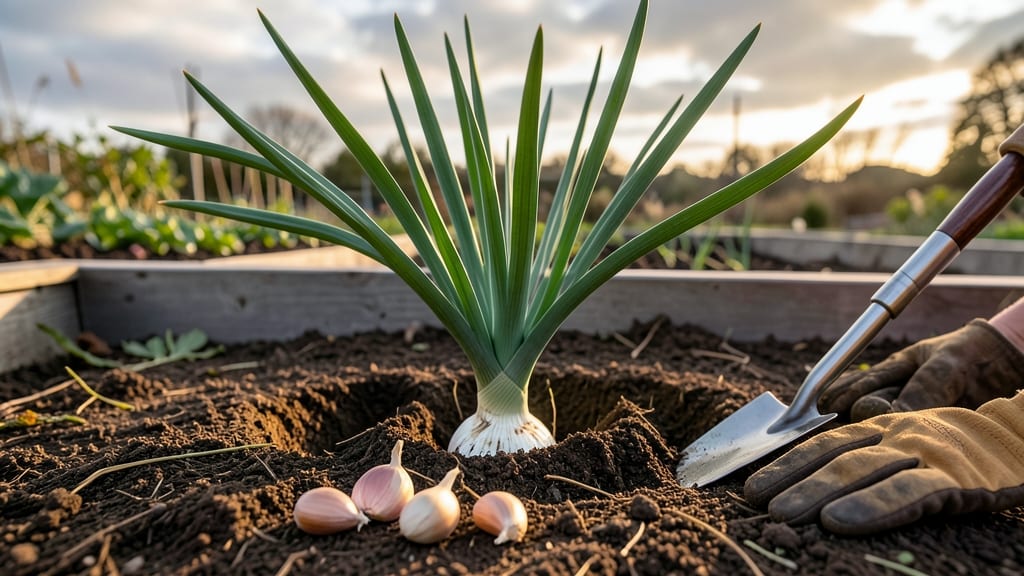
If you've ever planted garlic in Zone 8b and ended up with weak bulbs or no harvest at all, you're not alone—timing is the game-changer for success with this 🧄. The key lies in understanding chill hours, which hardneck varieties absolutely need to form those prized cloves.
For Zone 8b gardeners (think Southern California, Texas, or Georgia), planting garlic in October or November gives it the perfect window to soak up those critical cold hours before winter sets in.
But here's the catch: too early, and your garlic might bolt; too late, and it won't get enough chill. I'll show you exactly how to nail that sweet spot.
We'll also break down whether hardneck or softneck garlic is your best bet in this climate, plus soil prep tricks to ensure your garlic thrives through the winter. By the end, you'll know exactly when to plant for a bountiful harvest next summer.
Ready to turn your garlic-growing game around? Let's dive into the science and secrets of planting garlic in Zone 8b—where timing truly is everything.
Optimal planting windows for Zone 8b garlic: chill-hour deep dive
Zone 8b gardeners face a unique challenge with garlic: balancing chill-hour requirements (300-600 hours below 45°F) against mild winters. Hardneck varieties—like 'German White' or 'Music'—need these cold hours to form bulbs, but Zone 8b's 200-300 chill hours often fall short.
The solution? Strategic fall and spring planting timed to maximize natural cold exposure while avoiding early sprouting or frost damage.
Understanding your local chill hours is critical. For example, San Diego averages just 150 hours, while Atlanta hits 500. Use USDA chill-hour maps to verify your exact count—this determines whether hardneck garlic will thrive or struggle.
If your area falls below 300 hours, consider softneck varieties or extend chill exposure with artificial cold treatments (like refrigeration).
Key temperature thresholds guide planting: aim for soil temps between 40-50°F at planting time. In Zone 8b, this typically means October-November for fall and February-March for spring. Planting too early (e.g., September) risks premature sprouting before winter sets in, while late planting (December+) may miss critical cold exposure.
Here’s how to match your garlic variety to Zone 8b’s climate using chill-hour science:
| Planting Window | Chill-Hour Target | Soil Temp | Zone 8b Months | Notes |
|---|---|---|---|---|
| Fall (Primary) | 300-600 hours | 40-50°F | October-November | Best for hardnecks; plant 4-6 weeks before first frost. |
| Spring (Secondary) | 100-200 hours | 45-55°F | February-March | Riskier; use softnecks or cold-treated hardnecks. |
| Late Fall (Emergency) | <50 hours | 50-60°F | December | Only for softnecks; minimal bulb development. |
For fall planting, start in late October if your area has mild winters (e.g., coastal Zone 8b). In colder inland spots (e.g., Georgia or Texas Hill Country), push to early November to ensure 6+ weeks of cold before soil warms.
Use a soil thermometer to confirm temps drop below 50°F—this triggers bulb formation.
Spring planting is trickier in Zone 8b but can work for softneck varieties like 'Silverskin'. Plant in February when soil temps stabilize at 50°F.
However, bulbs will be smaller since they won’t experience full chill hours. To boost success, pre-chill cloves in the fridge for 4-6 weeks before planting.
Pro tip: Mulch heavily (4-6 inches of straw) after planting to insulate bulbs and extend cold exposure. In low-chill areas, try 'Creole' garlic—a hardneck variety bred for 200-300 chill hours.
Pair this with drip irrigation to maintain moisture without overwatering, which can rot cloves in Zone 8b’s humid winters.
Harvest timing shifts with planting window: fall-planted garlic in Zone 8b typically matures by late June-July, while spring-planted varieties may not be ready until August. Watch for lower leaves turning brown—this signals bulbs are ready. Wait until 50% of foliage dies back to avoid underdeveloped cloves.
Remember: Zone 8b’s unpredictability means flexibility is key. Monitor weather forecasts and adjust planting dates if unseasonably warm or cold spells occur. With the right timing, you can grow high-quality hardneck garlic even in a mild climate—just match your variety to your chill hours!
Hardneck vs. softneck garlic: which thrives in Zone 8b and when to plant
Choosing between hardneck and softneck garlic in Zone 8b depends entirely on your chill-hour goals. Hardnecks like 'German White' and 'Music' need 300-600 chill hours to form bulbs, while softnecks like 'Artichoke' tolerate fewer than 300 hours and store longer.
Zone 8b's mild winters often leave hardnecks underwhelmed unless planted early.
Many gardeners mistakenly assume softneck garlic won't grow in Zone 8b, but it actually thrives with minimal chill. The key difference? Hardnecks produce scape shoots and larger cloves, while softnecks offer longer storage and milder flavor.
For Zone 8b, I recommend fall planting (October-November) for hardnecks and spring planting (February-March) for softnecks.
Hardneck Garlic in Zone 8b
Softneck Garlic in Zone 8b
For hardneck garlic in Zone 8b, aim for 'German White' or 'Music'—both handle 300-400 chill hours better than others. Plant 4-6 weeks before ground freezes (typically mid-October) to ensure they get enough cold. If your winter is unusually mild, consider spring planting but expect smaller yields.
Softnecks like 'Silverskin' or 'Creole' are my go-to for Zone 8b when I want long-term storage. They adapt to spring planting (February-March) and don't require strict chill hours. However, they won't produce scapes, so skip the hardneck bonus of extra harvests.
Pro tip: Test your Zone 8b chill hours using a local weather station or USDA map. If you're under 300 hours, stick to softnecks or try spring-planted hardnecks with extra mulch for insulation.
For me, 'German White' planted in early November yields the best bulbs in my Southern California garden.
Remember, Zone 8b garlic thrives with well-draining soil and full sun. Whether you choose hardneck or softneck, plant cloves pointy-end up and 2 inches deep for consistent results. The right variety and timing will give you bold flavors and plump bulbs all season long! 🌱