
Plants
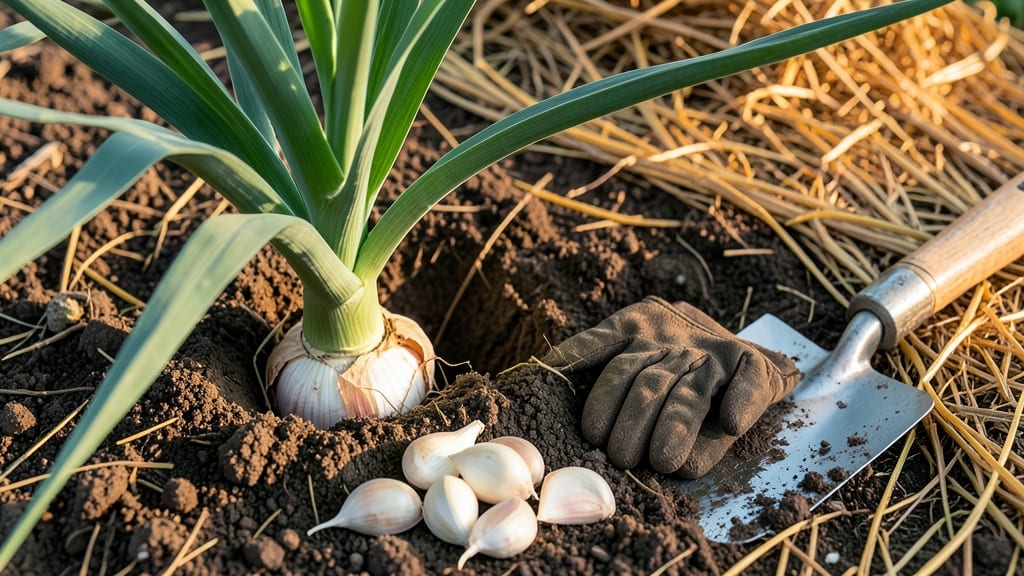
Planting garlic in South Dakota isn’t just about timing—it’s about matching your 🧄 variety to the state’s unique chill-hour requirements for hardneck success. Skip this step, and you might end up with weak bulbs or worse, no harvest at all.
The key lies in understanding when to plant based on your USDA zone (4a-5b) and the 6-8 weeks before the ground freezes.
Most South Dakota gardeners plant between mid-October and early November, but the exact date depends on your local frost dates and chill-hour needs. Hardneck varieties, like German White or Music, thrive with 30-40 chill hours—a critical factor that separates a good harvest from a mediocre one.
If you plant too early, you risk frost heave; too late, and the bulbs won’t mature properly.
Don’t let common mistakes derail your garlic patch. Many gardeners overlook soil prep or skip mulching, which can leave your garlic vulnerable to winter winds and temperature swings.
I’ll walk you through the exact steps to ensure your garlic gets the best start, from soil prep to winter protection, so you can look forward to a bountiful harvest in late June or early July.
Whether you’re a seasoned gardener or new to growing garlic, this guide will help you avoid costly mistakes and maximize your yield. Let’s get your garlic planted at the perfect time for South Dakota’s climate—so you can enjoy homegrown bulbs that rival the store-bought variety.
South Dakota’s ideal garlic planting timeline by chill-hours
Timing garlic planting in South Dakota isn’t just about avoiding frost—it’s about matching your hardneck varieties to the state’s chill-hour requirements. Hardnecks like rocambole, porcelain, and purple stripe need 30-60 days below 40°F to form quality bulbs.
Plant too early, and you risk frost heave; too late, and bulbs won’t mature before summer heat. Let’s break down the perfect windows for USDA zones 3-5.
Most South Dakota gardeners plant garlic in fall, but spring planting is possible if you account for chill-hour deficits. For example, zone 4a (like Sioux Falls) needs planting by October 15, while zone 5b (like Sioux City) can extend until November 1.
Spring planting? Only try it if you can provide artificial chilling (like a cold frame) for 60 days before transplanting in March.
Here’s how to calculate your local chill-hour accumulation: Use a weather station or online tool to track hours below 40°F. Hardnecks typically need 30-60 chill hours.
If your area averages 40 chill hours, plant rocambole (moderate chill needs) or porcelain (higher chill tolerance). Avoid softneck varieties—they’re not suited for South Dakota’s climate.
| USDA Zone | Fall Planting Window | Chill-Hour Needs | Best Varieties | Spring Planting? |
|---|---|---|---|---|
| Zone 3 (e.g., Rapid City) | September 15–October 1 | 50–60 hours | Purple Stripe, German White | No (too short season) |
| Zone 4a (e.g., Sioux Falls) | October 1–15 | 40–50 hours | Rocambole, Chesnok Red | Yes (with chilling) |
| Zone 5b (e.g., Sioux City) | October 15–November 1 | 30–40 hours | Porcelain, Music | Yes (March transplant) |
For fall planting, aim to get cloves in the ground 4-6 weeks before hard frost. In zone 4a, that’s usually by October 15.
Use a soil thermometer—cloves need 40–50°F soil to sprout. If temps drop below freezing, cover beds with straw mulch (4–6 inches) to prevent frost heave.
Spring planting is riskier but works if you pre-chill cloves. Store them in a garage or fridge at 35–40°F for 60 days, then transplant in March.
This mimics winter chilling. However, spring-planted garlic often yields smaller bulbs due to South Dakota’s short growing season. Reserve this method for experimental varieties or small batches.
Don’t forget to rotate planting locations every year to prevent soil-borne diseases like white rot. Garlic is heavy-feeding, so amend beds with compost and a balanced fertilizer (5-10-10) at planting. Space cloves 4–6 inches apart in rows 12 inches apart for optimal airflow and bulb development.
After planting, mulch heavily with straw or leaves (6–8 inches) to insulate roots during winter. Remove mulch in early spring to prevent rot. Water moderately—garlic needs 1 inch of water weekly but can’t tolerate soggy soil. Overwatering in spring leads to mushy bulbs.
Harvest timing depends on variety and location. In zone 3, harvest late June; in zone 5b, aim for early July. Look for brown lower leaves and firm bulbs.
Cure harvested garlic in a dry, shady place for 2–3 weeks before storing. Proper curing extends shelf life from 6 months to a year.
Pro tip: Plant a small test batch in both fall and spring to compare yields. Document your chill-hour totals and adjust future plantings. With the right timing, South Dakota’s hardneck garlic can rival commercial bulbs—bold, flavorful, and perfect for braiding!
How to match garlic varieties to South Dakota’s microclimates
South Dakota’s diverse microclimates—from the Black Hills’ cooler elevations to the Missouri River valleys’ warmer pockets—require careful garlic variety selection. The wrong choice can mean small bulbs or even failure in the state’s short summers.
Hardneck varieties dominate here because they thrive in cold winters and produce flavorful scapes, but not all perform equally.
For western South Dakota’s USDA Zone 4a, where winters are harsh and summers brief, prioritize varieties with high chill-hour tolerance (600+ hours) and early maturity. In eastern regions like Sioux Falls (Zone 5a), you can push slightly later-maturing varieties that still finish before first frost.
The key? Matching heat tolerance to your local summer length.
German White is my top recommendation for most of the state—it handles 300-500 chill hours well and matures in 90-100 days. Its large bulb size (4-6 cloves) and mild flavor make it ideal for home cooking. However, in warmer river valleys, it may bolt prematurely if planted too early.
| Variety | Chill Hours | Days to Maturity | Bulb Size | Heat Tolerance | Best For |
|---|---|---|---|---|---|
| German White | 400-600 | 90-100 | Large (4-6 cloves) | Moderate | Statewide (versatile) |
| Music | 500-700 | 100-110 | Medium (3-5 cloves) | High | Eastern SD (warmer zones) |
| Chesnok Red | 600-800 | 110-120 | Small-Medium (2-4 cloves) | Low | Black Hills (cooler) |
| Silverskin | 300-400 | 80-90 | Small (1-3 cloves) | Very High | River valleys (hot summers) |
Music garlic shines in eastern South Dakota’s warmer microclimates (like near Mitchell or Sioux Falls). It needs 500-700 chill hours and matures slightly later, but its high heat tolerance prevents bolting in July’s occasional heatwaves. The trade-off? Smaller bulbs (3-5 cloves) compared to German White.
For cooler mountain regions (e.g., Custer State Park), Chesnok Red is my go-to. This purple-striped variety thrives with 600-800 chill hours and produces bold, spicy cloves perfect for long-term storage.
However, its longer maturity (110-120 days) means you must plant early October to avoid early summer harvest delays.
If you’re in a river valley heat pocket (like Yankton or Watertown), consider Silverskin varieties. These handle 300-400 chill hours and intense summer heat better than hardnecks, though they produce smaller bulbs. Their early maturity (80-90 days) makes them ideal for short-season gardens.
Pro tip: Test your local chill-hour accumulation by planting two varieties (e.g., German White + Music) in fall. The one that produces larger bulbs is your microclimate match. Adjust planting dates yearly based on your results—South Dakota’s weather is unpredictable! 🌱