
Plants
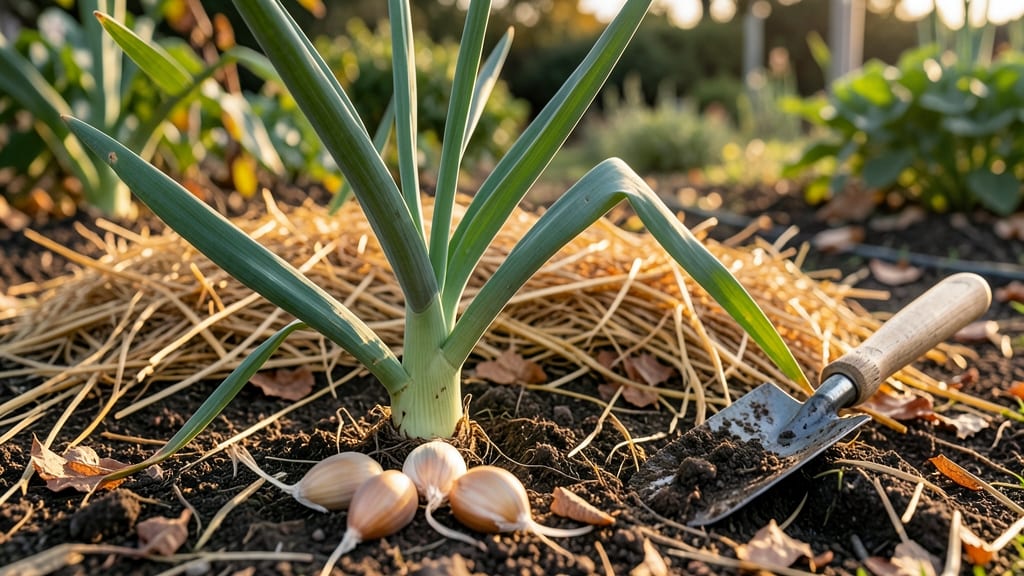
Planting garlic in Georgia isn't just about throwing cloves into the dirt and hoping for the best—it's about timing those chill hours just right. If you miss the window, your 🧄 might bolt early or produce small, weak bulbs, leaving you frustrated come harvest season.
Most Georgia gardeners in zones 7b-8b know the key lies in planting between October and November, when soil temperatures drop but before hard freezes set in.
This timing ensures your garlic gets the 500–1,000 chill hours it needs to form strong bulbs, while still avoiding the risks of winter heaving or spring bolting.
But here's the thing: spring planting is possible too, though it comes with trade-offs. Whether you're a seasoned gardener or just starting out, understanding these nuances can mean the difference between a thriving harvest and a disappointing one.
Let me walk you through the exact steps to plant garlic in Georgia—so you can grow bulbs that are plump, flavorful, and ready for harvest in April or May. No guesswork, just proven methods tailored to our climate.
Optimal planting dates for Georgia garlic based on chill hours
Georgia’s Zone 7a climate creates unique challenges for garlic growers, where 500–1,000 chill hours determine success. Unlike northern states, our mild winters mean garlic needs precise timing to avoid premature bolting or stunted growth. The key? Planting when soil temps drop below 60°F but before hard freezes lock the ground.
Most Georgia gardeners focus on fall planting (October–November) for a spring harvest, but hardneck varieties (like ‘Music’ or ‘German White’) thrive with 600+ chill hours, while softneck types (like ‘Silverskin’) tolerate 300–500 hours.
Spring planting in February is riskier but works for low-chill varieties in warmer microclimates.
Soil temperature is your best guide: Aim for 50–60°F at planting depth (2 inches). Use a soil thermometer to avoid planting too early when warmth triggers early sprouting.
In Georgia, this usually aligns with late October to mid-November, but watch local frost forecasts—plant 4–6 weeks before first frost for best results.
Hardneck varieties dominate Georgia gardens because they store well and produce flavorful scapes, but softnecks like ‘Silverskin’ are better for braiding and long-term storage. If you’re unsure, opt for ‘California Early’—it tolerates Georgia’s 300–500 chill hours and matures faster than traditional types.
Missed the fall window? Don’t panic—spring planting in February works for low-chill varieties, but bulbs will be smaller. The trade-off? You’ll harvest 2–3 months earlier than fall-planted garlic, perfect for summer cooking. Just ensure soil stays consistently moist during Georgia’s hot, dry springs.
Pro tip: Use mulch heavily (straw or leaves) after planting to insulate bulbs from freeze-thaw cycles, which can damage roots. In Zone 7a, mulch also extends the growing season by keeping soil temps stable—critical for garlic’s chill-hour accumulation.
Watch for early bolting if temps spike above 70°F before bulbs mature. This is common in Georgia’s unpredictable winters, so choose shady planting spots or use row covers in extreme heat. Hardnecks bolt faster than softnecks, so prioritize them in cooler microclimates.
For maximum bulb size, aim to harvest when 50% of lower leaves turn brown but before the neck dries completely. In Georgia, this usually falls in April–May for hardnecks and May–June for softnecks. Cure bulbs in a dry, shady spot for 2–3 weeks to extend shelf life.
Remember: Georgia’s chill-hour variability means your first frost date isn’t the only factor. Track cumulative chill hours using a weather station or online tools like PlantMap to refine your planting schedule year after year.
Step-by-step guide: how to plant garlic in Georgia’s climate
Georgia’s Zone 7a climate demands precision when planting garlic—too early, and you risk bolting; too late, and you’ll miss the spring harvest window.
The key is planting 4-6 weeks before ground freezes (typically late October to early November), but soil prep and mulching are just as critical to protect cloves from Georgia’s unpredictable winter temperatures.
Start by selecting hardneck varieties like ‘Music’ or ‘Silverskin’ for Georgia’s climate, as they thrive in cooler winters. Softneck varieties like ‘Artichoke’ can also work but may struggle with inconsistent chill hours. Once you’ve chosen your cloves, follow these steps to ensure a successful harvest next spring.
🌱 Step-by-Step Planting Guide for Georgia Garlic
- 1. Prep the Soil: Test soil pH (aim for 6.0–7.0) and amend with compost or aged manure for drainage. Georgia’s clay-heavy soils benefit from sand or perlite to prevent waterlogging.
- 2. Break Apart Bulbs: Separate hardneck garlic bulbs into individual cloves, ensuring each has a root bud intact. Plant the pointy end up for faster germination.
- 3. Plant at Correct Depth: Dig holes 2 inches deep and space cloves 4–6 inches apart in rows 12 inches apart. Georgia’s mild winters mean cloves won’t need deeper planting.
- 4. Mulch Heavily: Apply 4–6 inches of straw or leaves after planting to insulate cloves from freeze-thaw cycles. Remove mulch in early spring to prevent rot.
- 5. Adjust for Weather: If unseasonably warm fall weather arrives, delay planting until soil temps drop below 70°F. Use row covers in winter for extra frost protection.
After planting, water lightly but consistently to keep soil moist until ground freezes. Georgia’s variable rainfall means supplemental watering may be needed in dry spells. Once shoots emerge in spring, reduce watering to once weekly to encourage bulb formation.
Pro tip: Mark your garlic rows with bamboo stakes to avoid disturbing the plants during Georgia’s muddy spring. Harvest when lower leaves brown but before bulbs split open—typically April to May in Zone 7a. Cure harvested garlic in a dry, shady spot for 2 weeks before storage.
With these steps, you’ll beat Georgia’s climate challenges and grow bold, flavorful garlic year after year. Happy planting! 🧄