
Plants
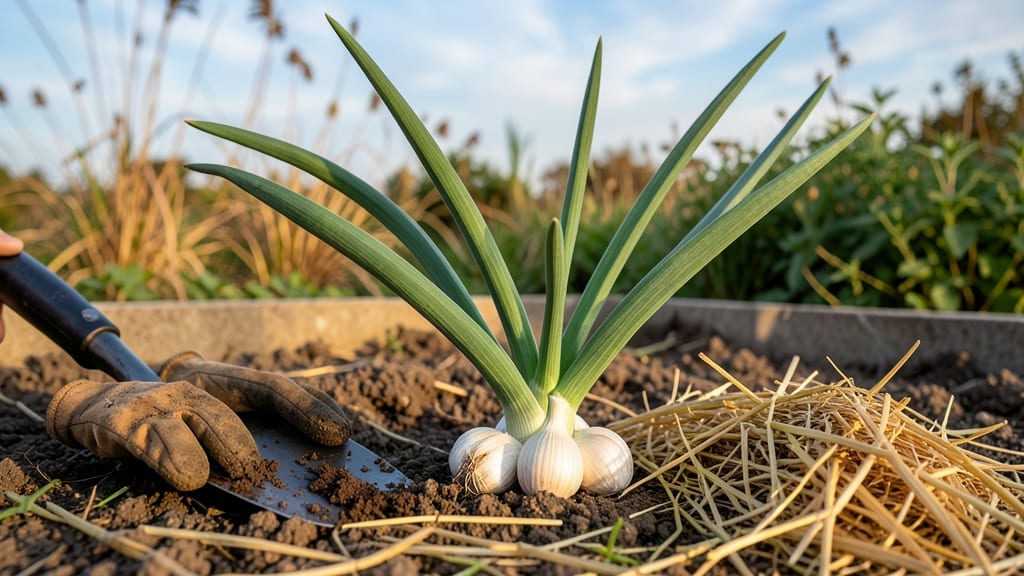
Planting garlic 🧄 in Rhode Island at the wrong time can mean the difference between a bumper crop and wasted effort. The key to success isn’t just when you plant—it’s understanding your zone’s 6a climate quirks, like those early October frosts that catch gardeners off guard.
Most gardeners in Rhode Island know fall is the prime window, but the exact timing matters more than you’d think. Plant too early, and your cloves might rot before winter sets in. Too late, and they won’t establish strong roots before the ground freezes.
I’ll break down the perfect October-November window for both hardneck and softneck varieties, so you can avoid common mistakes that lead to poor harvests.
What makes Rhode Island’s garlic growing season unique? Coastal areas warm up faster than inland spots, and microclimates can shift planting deadlines by weeks. I’ll show you how to read your soil’s cues—like when to adjust for unexpected warmth or early freezes—to give your garlic the best shot at thriving.
By the end, you’ll know exactly when to plant for bold, flavorful bulbs next summer, plus how to care for them through winter’s chill. No more guesswork—just a foolproof plan for Rhode Island gardeners.
Best months to plant garlic in Rhode Island by variety type
Rhode Island’s USDA Zones 6-7 climate means garlic thrives when planted in fall, but the timing differs between hardneck and softneck varieties. Hardnecks (like German White) need cooler winters to form scape stalks, while softnecks (like Silverskin) store longer but prefer milder conditions.
Missing the window can result in stunted bulbs or rot—so let’s pinpoint the best months for each.
For hardneck garlic, aim to plant 4-6 weeks before the ground freezes, typically between mid-October and November 15. This gives roots time to establish before winter dormancy.
Softnecks, however, are more flexible and can handle late November or even early December plantings, as they prioritize bulb development over scapes.
Soil temperatures below 40°F signal it’s time to plant. In Rhode Island, this usually aligns with late October, but coastal areas (like Newport) may warm longer—adjust accordingly. Use a soil thermometer to confirm readiness.
Here’s how to match your variety to the ideal planting window:
If you miss the fall window, you can try a spring planting (March-April) for a smaller harvest. However, bulbs won’t mature fully before Rhode Island’s hot summers, so fall remains the gold standard. For hardnecks, prioritize early planting—October 15 is ideal—to maximize scape production.
Pro tip: Plant individual cloves (not whole bulbs) 2 inches deep, pointed end up, in well-draining soil. Space them 4-6 inches apart to prevent crowding. Mulch with straw or leaves after planting to insulate roots during winter fluctuations.
Rhode Island’s coastal vs. inland microclimates can shift timing by 1-2 weeks. Inland areas (like Providence) freeze earlier, while coastal spots (like Block Island) may stay workable into late November. Monitor local frost forecasts—aim to plant when nighttime temps consistently drop to 35°F.
Hardnecks need cold vernalization (40-50°F for 4-6 weeks) to form bulbs, so don’t rush. Softnecks are more forgiving but still benefit from early fall planting. Both varieties will sprout in spring, with hardnecks sending up scapes by June-July—a prized culinary bonus!
Remember: Harvest time (July-August) depends on leaf browning, not planting date. If you plant late, bulbs may mature slower but still store well if cured properly. For hardnecks, harvest scapes first to redirect energy to bulb growth.
🌱
How to adjust planting time for Rhode Island’s microclimates
Rhode Island’s diverse landscapes—from coastal Newport to inland Providence and high-elevation Westerly—create unique microclimates that demand flexible garlic planting strategies. Coastal areas stay warmer longer, while inland spots freeze earlier, and urban gardens can trap heat unpredictably. Adjusting your planting timeline based on these conditions ensures your garlic thrives.
Start by testing your soil temperature before planting. Use a soil thermometer to confirm it’s between 40°F and 50°F, the ideal range for garlic roots to establish.
Coastal regions like Block Island may hit this threshold in early November, while inland USDA Zone 6a areas might need planting by late October to avoid winter frost.
⚠️ WARNING: Frost Risk & Backup Plans ⚠️
Urban gardeners should also watch for heat pockets near buildings or pavement. These areas may stay 5–10°F warmer than rural spots, delaying frost. If your soil stays above 50°F past November 15, opt for softneck varieties (like Silverskin) which tolerate warmer winters better than hardnecks.
For a backup strategy, keep a few cloves refrigerated until December. Plant them in protected microclimates (e.g., south-facing slopes or raised beds) where frost lingers later. These late plantings may yield smaller bulbs but still produce edible garlic. Always label these late-season batches to avoid confusion at harvest.
Finally, coastal gardeners near Narragansett Bay can push planting into early December. The moderating ocean influence delays frost, but avoid planting after December 10—garlic needs at least 60 days of cold to form bulbs. Use row covers if an early frost threatens in November.
By tailoring your planting window to your microclimate, you’ll maximize your garlic’s potential—whether you’re in a frost-prone valley or a coastal heat zone. Happy planting! 🌱