
Plants
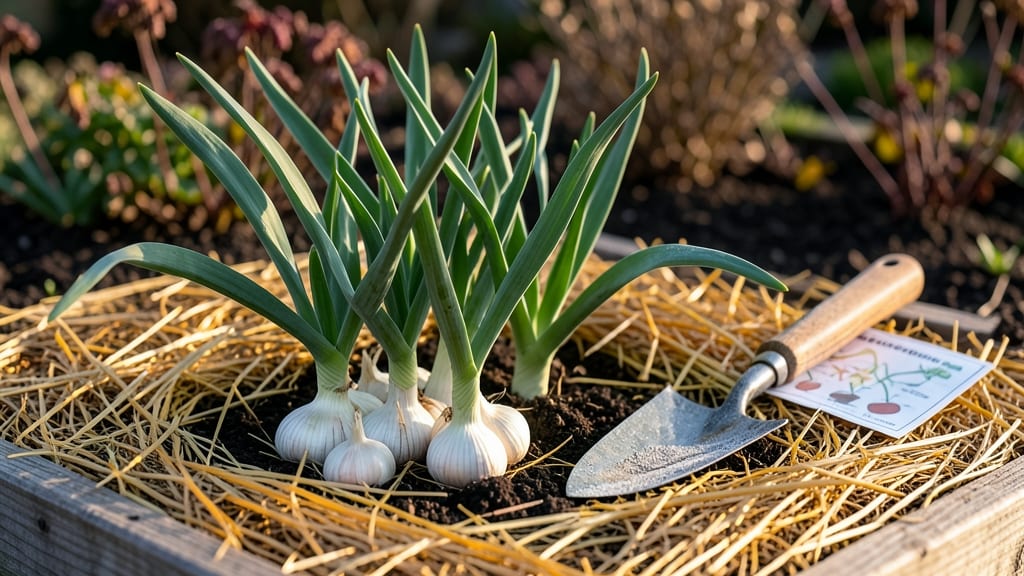
Planting garlic in Pennsylvania at the wrong time means smaller bulbs or even total failure—don’t let that happen to your 🧄 harvest! The key lies in understanding whether you’re growing hardneck or softneck varieties, since their ideal windows differ.
For most of the state’s 5b-7a zones, fall planting in October or November gives garlic roots time to establish before winter, while spring planting risks stunted growth.
Hardneck varieties, like the popular Rocambole or German White, thrive when planted in late fall—typically between mid-October and Thanksgiving. This timing ensures they’ll develop strong bulbs by next summer.
Softneck types, such as Silverskin, are more flexible but still benefit from an early start, especially in warmer microclimates like southwestern PA.
Why does timing matter so much? Garlic needs cold exposure to form bulbs, but too much frost can damage emerging shoots. I’ll show you how to adjust for early or late frosts, plus soil prep tricks to maximize your yield.
Whether you’re a seasoned gardener or just starting, these insights will help you grow garlic like a pro.
Ready to avoid common mistakes and get the best harvest possible? Let’s break down the exact steps for planting garlic in Pennsylvania, from clove selection to mulching strategies that work in our variable climate.
Optimal planting windows for hardneck vs softneck garlic in Pennsylvania
Pennsylvania’s diverse climate—from USDA Zone 5b in the northeast to Zone 7a in the southwest—means garlic planting timing varies dramatically. Hardneck varieties thrive in our cold winters, while softneck prefers milder conditions. The key?
Planting 4-6 weeks before the first hard frost, typically between mid-October and early November in most regions. But let’s break it down by variety and zone to avoid frost damage or stunted growth.
Hardneck garlic, like 'German White' or 'Music', needs cold stratification to form bulbs. In Zone 5-6, aim for October 1-15—this gives roots time to establish before winter.
Meanwhile, softneck varieties, such as 'Silverskin', can handle slightly later plantings (November 1-15 in Zone 7) since they focus on bulb storage rather than scape production.
Here’s the critical difference: Hardneck bulbs form in response to cold, while softneck bulbs develop more slowly and benefit from extended growing seasons. In Pennsylvania’s variable climate, choosing the right variety—and planting window—can mean the difference between plump, flavorful bulbs and disappointing harvests.
🌱
| Factor | Hardneck Garlic | Softneck Garlic |
|---|---|---|
| Best Planting Month | October 1-15 (Zones 5-6) October 15-30 (Zone 7) |
November 1-15 (Zones 6-7) October 15-Nov 1 (Zone 5) |
| Key Climate Need | Cold winters (30°F for 6+ weeks) | Milder winters (32°F+ minimum) |
| Soil Prep Focus | Compost + sulfur (pH 6.0-7.0) | Well-draining soil (pH 6.0-7.5) |
| Frost Risk Window | Plant 4-6 weeks before first frost | Plant 2-4 weeks before first frost |
| Harvest Time | Late June - Early July | Mid-July - August |
| Best For | Cold-hardy zones, scape production | Long storage, braiding |
| PA Zone Adjustments | Zone 5: Plant earlier (Sept 20-Oct 10) Zone 7: Plant later (Nov 1-15) |
Zone 5: Use row covers for frost Zone 7: Spring planting possible |
In Zone 5b (e.g., Erie, State College), hardneck garlic planted in early October will establish roots before winter, while softneck may struggle with early frosts. Conversely, in Zone 7a (e.g., Pittsburgh, Harrisburg), softneck can handle a November planting and still produce bulbs by summer.
The rule of thumb? Hardneck = earlier planting; softneck = later planting.
Soil preparation is equally critical. Both varieties prefer well-draining, loamy soil with a pH of 6.0-7.0, but hardneck benefits from added sulfur to enhance flavor. Work in 2-3 inches of compost before planting, and avoid fresh manure, which can burn cloves.
In heavy clay soils (common in central PA), amend with sand or peat moss to improve drainage.
Pro tip: Use a soil thermometer to confirm ground temps are below 40°F before mulching. A thick layer of straw or leaves (4-6 inches) protects cloves from freeze-thaw cycles, which can heave them out of the soil.
In Zone 6-7, where winters are milder, reduce mulch to 2-3 inches to avoid rot.
For gardeners in high-altitude areas (e.g., Poconos, Laurel Highlands), plant 2-3 weeks earlier than the zone average—cold air settles in valleys, accelerating frost. Conversely, in urban heat islands (e.g., Philadelphia), you might push softneck planting into early December if soils stay workable.
🌿
One common mistake? Planting garlic in spring. While possible in Zone 7, spring-planted garlic rarely reaches full maturity before Pennsylvania’s summer heat causes bolting. If you miss the fall window, opt for softneck varieties and plant in late winter (February) for
Step-by-step guide: how to plant garlic in PA for maximum yield
Planting garlic in Pennsylvania requires precision—especially when it comes to soil prep, clove selection, and timing. Unlike many crops, garlic thrives when planted in fall (October–November), but spring planting is possible with adjustments.
The key? Well-draining soil, proper spacing, and a thick layer of organic mulch to protect cloves from winter’s chill.
Start by choosing hardneck varieties (like Music or German White) for Pennsylvania’s cold winters or softneck types (like Artichoke) if you prefer longer storage. Both need 6+ hours of sun daily, but hardnecks produce scape shoots in spring—a bonus for gardeners!
Avoid planting store-bought garlic; it’s often treated to prevent sprouting and yields poorly.
🌱 Step-by-Step Planting Guide for Pennsylvania
-
Step 1: Prep Soil 4–6 Weeks Before Planting
Test soil pH (6.0–7.0 ideal). Amend with 2–3 inches of compost and 1 lb of sulfur per 100 sq ft if soil is alkaline. Work into top 6–8 inches of soil.
-
Step 2: Break Bulbs into Cloves
Separate a healthy bulb into individual cloves, ensuring each has a paper skin attached. Discard any soft or shriveled cloves. Plant only the largest cloves for bigger yields.
-
Step 3: Plant at Correct Depth & Spacing
Dig holes 2 inches deep with 4–6 inches between cloves and 12 inches between rows. Place cloves pointy-end up—this ensures the bulb forms correctly. In USDA Zone 5, plant by October 15; in Zone 7, wait until November 1.
-
Step 4: Mulch Heavily for Winter Protection
Cover planted cloves with 4–6 inches of straw or leaves to insulate roots. In Zone 5, add an extra 2 inches of mulch if winters are harsh. Remove mulch in early spring to prevent rot.
-
Step 5: Fertilize Lightly in Spring
When shoots emerge (March–April), side-dress with 10-10-10 fertilizer at 1 tbsp per foot of row. Water deeply to activate growth. Avoid over-fertilizing—garlic needs low nitrogen to form bulbs, not leaves.
-
Step 6: Harvest at Peak Ripeness
Harvest when lower leaves yellow and dry (late June–July in PA). Gently loosen soil with a fork, then cure bulbs in a dry, shaded spot for 2–3 weeks before storing.
⏰ Pro Tip: For spring planting, use softneck varieties and plant as soon as soil is workable (early March). Yields will be smaller but still edible!
One of the most common mistakes Pennsylvania gardeners make is planting garlic too late in fall or too early in spring. If you miss the October–November window, cloves may rot before winter sets in.
Conversely, spring-planted garlic often bolts (goes to seed) before bulbs mature. To avoid this, always check your USDA zone and adjust planting dates accordingly.
For maximum yield, rotate garlic beds annually to prevent soil-borne diseases like white rot. Pair it with onions, leeks, or brassicas—these plants deter pests like garlic moths.
If you’re in southern PA (Zone 7), consider a second planting in December for a staggered harvest. Just remember: hardnecks need cold to form bulbs, so skip this for softnecks.
With these steps, you’ll harvest plump, flavorful bulbs that rival store-bought—plus, you’ll save money and avoid pesticides. Happy planting! Your future meals (and neighbors) will thank you. 🧄