
Flowers
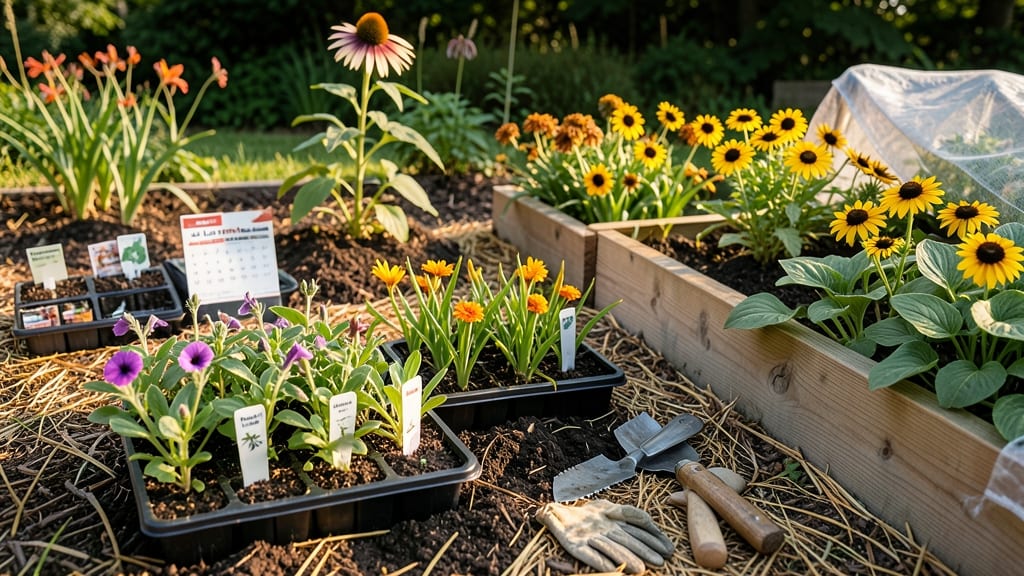
Planting flowers in Rhode Island at the wrong time can turn your garden dreams into a frost-killed disappointment—especially when coastal winds and zone 6a quirks come into play.
With the last frost typically hitting around April 15, timing is everything. Whether you're dreaming of vibrant annuals or hardy perennials, knowing when to plant makes all the difference. I’ll break down the perfect windows for spring and fall planting so your 🌸 blooms thrive all season.
From coastal microclimates to inland variations, we’ll cover how to adjust for Rhode Island’s unique growing conditions. You’ll learn which flowers to plant when, plus tips to extend your blooming season—no more guessing!
Ready to transform your garden into a year-round paradise? Let’s get started with the exact planting schedule you need for zero-frost stress and maximum beauty.
Rhode Island flower planting calendar by last frost date
Rhode Island’s USDA Zones 6a-7a and coastal microclimates create a tricky balance for gardeners. The average last frost date in Providence is April 15, but coastal areas like Newport can experience frost 1-2 weeks later.
Understanding these variations helps you avoid frost damage while maximizing bloom time. Here’s your month-by-month guide to planting annuals, perennials, and bulbs for a showstopping garden.
Start with cold-hardy flowers like pansies and violas in early spring—these tolerate light frosts and bloom even in 40°F temperatures. For heat-loving annuals like geraniums and marigolds, wait until after your last frost date to avoid stunted growth.
Coastal gardens may need to delay planting by 7-10 days due to delayed warming near the ocean.
Use this Rhode Island planting calendar as your roadmap, adjusting for your specific microclimate. For inland areas, you can push spring planting 1-2 weeks earlier, while coastal gardeners should err on the side of caution. Always monitor local forecasts—unpredictable late frosts can still occur in May.
Key adjustments for Rhode Island:
- Coastal areas (Zone 7a): Delay planting by 7-10 days after Providence’s dates.
- Inland areas (Zone 6a): Plant 1-2 weeks earlier if your microclimate warms faster.
- Elevated gardens: Often 1-2°F colder—plant later or use frost blankets.
| Month | Planting Window | What to Plant | Notes |
|---|---|---|---|
| March | Late March - Early April | Pansies, violas, snapdragons, tulip/daffodil bulbs | Hardy annuals and bulbs tolerate light frost; mulch after planting. |
| April | After April 15 (Providence) or April 22 (coastal) | Petunias, geraniums, marigolds, peonies, daylilies | Wait for soil to warm to 50°F+; use frost cloth if nights dip below 40°F. |
| May | Mid-May | Zinnias, cosmos, black-eyed Susans, coneflowers | Direct-sow heat-lovers; mulch to retain moisture. |
| June | Ongoing | Sunflowers, hollyhocks, lavender, succulents | Focus on drought-tolerant plants; water deeply in heat. |
| August | Mid-August | Asters, chrysanthemums, calendula, sweet alyssum | Fall bloomers thrive with 6-8 weeks of cool weather. |
| September | Early September | Pansies, sweet peas, stock, bulbs (tulips, daffodils) | Plant bulbs 6 weeks before first frost for spring blooms. |
Don’t overlook fall planting—it’s your secret weapon for early spring color. Plant tulip and daffodil bulbs in September to ensure they establish roots before winter. For annuals like pansies, sow seeds in late August for blooms by October, when many gardens are winding down.
If you’re growing perennials, divide and transplant them in early spring (April) or early fall (September) for the best root establishment. Coastal areas should wait until mid-May to avoid salt spray damage from ocean winds.
Always amend your soil with compost before planting—Rhode Island’s sandy soils drain too quickly for many flowers.
For container gardening, start annuals indoors in March (6-8 weeks before last frost) and move them
Best flowers to plant in Rhode Island by season
Rhode Island’s Zone 6a-7a climate creates a unique gardening challenge—humid summers, unpredictable coastal winds, and early frosts demand the right flower choices. The key to success? Planting season-appropriate varieties that thrive in RI’s acidic, sandy soil and high humidity.
Coastal areas like Newport may experience earlier last frosts (mid-April), while inland zones like Providence often see them 2-3 weeks later.
For spring blooms, focus on hardy annuals and perennials that tolerate cool soil temperatures (40-50°F). Summer lovers need heat-tolerant varieties that won’t wilt under RI’s 80-90°F humidity. Fall plantings should prioritize frost-resistant species that establish roots before October’s first frost.
Let’s break down the best flowers by season, including my top picks for each planting window.
Start cool-season annuals indoors 6-8 weeks before last frost. Direct-sow hardy perennials after soil warms to 50°F.
- 🌱 Pansies (Zone 6-10) – Thrives in partial shade, blooms until frost
- 🌿 Sweet Alyssum (Zone 5-9) – Drought-tolerant, attracts pollinators
- 🌷 Lungwort (Zone 3-8) – Perennial with silver foliage, blooms April-June
Replace spring blooms with heat-loving annuals after Memorial Day. Mulch heavily to retain moisture.
- ☀️ Zinnias (Zone 3-12) – Disease-resistant, blooms July-October
- 🌻 Black-Eyed Susans (Zone 3-9) – Drought-tolerant perennial, attracts butterflies
- 🌹 Geraniums (Zone 10, treat as annual) – Thrives in full sun, blooms all summer
Plant frost-hardy annuals and bulbs for winter color. Choose varieties that tolerate 40°F nights.
- 🌼 Chrysanthemums (Zone 5-9) – Blooms September-November, frost-tolerant
- 🪴 Daffodils (Zone 3-12) – Plant bulbs by October 1 for spring blooms
- 🌿 Snapdragons (Zone 7-10) – Cold-hardy annual, blooms until frost
Coastal RI (e.g., Block Island) has salty air—avoid salt-sensitive plants like fuchsias. Inland areas (e.g., Cumberland) can handle heavier mulch for moisture retention.
- ✅ Coastal Picks: Sea Thrift, Beach Holly (salt-tolerant)
- ✅ Inland Picks: Black-Eyed Susans, Coneflowers (drought-tolerant)
My top 3 perennial workhorses for Rhode Island? Coneflowers (drought-proof), Russian Sage (deer-resistant), and Daylilies (low-maintenance). These thrive in RI’s humid summers and cool springs/falls. For annuals, I swear by Marigolds for pest control and Petunias for non-stop color from June to frost.
Pro tip: Amend RI’s sandy soil with 2 inches of compost before planting. This improves water retention without compacting the well-draining soil. For coastal gardens, add organic matter to counteract salt buildup from wind and spray.
Remember, succession planting is your secret weapon. Replace bolting lettuce with zinnias in July, or swap fading pansies for fall mums in August. This keeps your garden blooming continuously from April to November—even in Rhode Island’s fickle climate! 🌸