
Plants
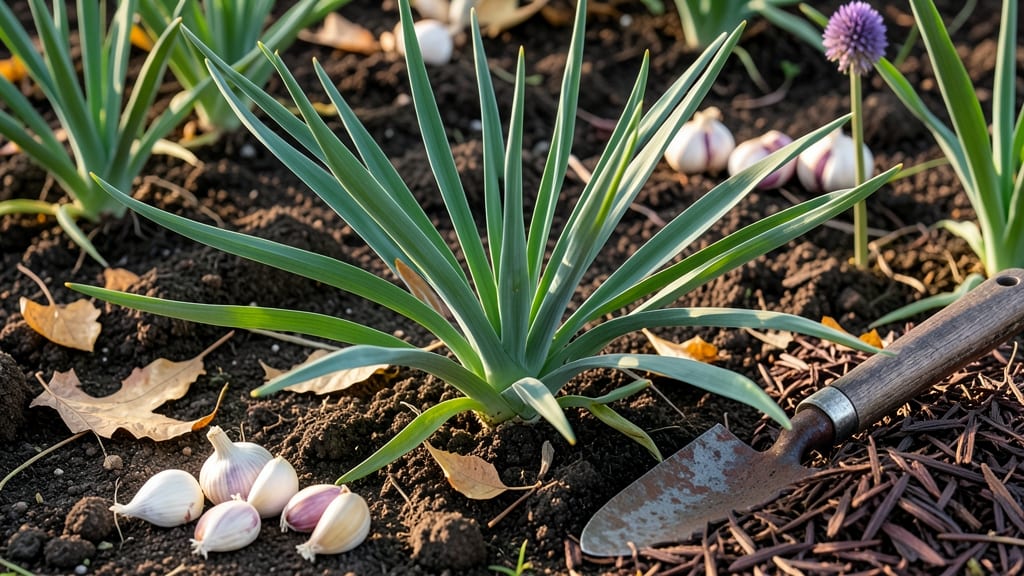
Planting garlic in Ohio’s Zone 6 at the wrong time can turn your hard work into a disappointing harvest—or worse, plants that bolt before they even mature.
The key to success lies in understanding the exact weeks that separate a thriving crop from wasted effort, especially with 🧄 varieties that need cold exposure to develop properly.
Most gardeners in Zone 6 assume fall planting is the only option, but timing within those October to November weeks makes all the difference. Too early, and your garlic may sprout before winter sets in; too late, and it won’t get enough cold to form bulbs.
I’ve learned the hard way that even a 1-2 week miscalculation can mean the difference between a bumper crop and bolting plants.
What you’re about to discover isn’t just about when to plant—it’s about how to prepare your soil, choose the right varieties for Ohio’s climate, and recognize the early signs of bolting before it’s too late.
Whether you’re a seasoned gardener or just starting with garlic, these insights will help you avoid common mistakes and maximize your harvest next summer.
Let’s dive into the precise planting windows, soil prep secrets, and regional tips that will set you up for garlic success—no guesswork required. Your future harvest depends on getting this right, and I’ll show you exactly how.
Optimal planting windows for Ohio Zone 6 garlic: exact weeks to avoid bolting
Ohio’s Zone 6 climate offers two planting windows for garlic, but timing is everything to prevent bolting. The fall window (mid-October to early November) is ideal because garlic needs cold dormancy to develop strong bulbs.
Planting too early or late disrupts this process, leading to weak growth or premature flowering.
For hardneck varieties, fall planting is non-negotiable—they require vernalization (cold exposure) to form bulbs. Softneck varieties are more flexible but still thrive with a fall start. Spring planting is possible but riskier, especially if temperatures rise too quickly.
Bolting occurs when garlic senses warm days too soon, diverting energy to flower stalks instead of bulb development. In Ohio, this typically happens if planted after November 15 or before October 1, missing the sweet spot of 4-6 weeks before ground freeze.
| Planting Window | Exact Weeks | Soil Temp Threshold | Best Varieties | Risk Level |
|---|---|---|---|---|
| Fall Window | Mid-October to early November (Weeks 1-4) | 40-50°F (4-10°C) | Hardneck (e.g., 'Music', 'German White') | Low (optimal cold exposure) |
| Late Fall Window | Late November (Weeks 5-6) | 32-40°F (0-4°C) | Softneck (e.g., 'Silverskin', 'Artichoke') | Medium (higher bolting risk) |
| Spring Window | Early March (Weeks 1-2) | 45-55°F (7-13°C) | Softneck (e.g., 'California Early') | High (bolting likely) |
If Ohio experiences an early frost before your fall planting, don’t panic. Cover young plants with straw mulch (4-6 inches) to insulate them. For late frosts, wait until soil temperatures stabilize above 40°F (4°C)—typically mid-March—before spring planting.
Hardneck varieties like 'Music' or 'German White' perform best in Ohio’s Zone 6 because they thrive in cold winters. Softnecks, such as 'Silverskin', are more adaptable but still benefit from fall planting. I’ve found that planting by October 15 gives garlic enough time to establish roots before winter.
Spring planting is a gamble. If you miss the fall window, plant in early March but expect smaller bulbs and higher bolting risk. Use shade cloth if temperatures exceed 70°F (21°C) to delay flowering. I’ve had mixed success with spring garlic—some years it works, others it bolts by June.
Adjust your planting timeline based on Ohio’s last frost date (typically November 15) and first frost date (around March 15). For example, if your area freezes earlier, plant by October 1. Use a soil thermometer to confirm temperatures—garlic roots need 40-50°F (4-10°C) to grow.
Pro tip: Plant individual cloves 2 inches deep, 6 inches apart, with the pointed end up. This spacing prevents crowding and reduces bolting. I’ve also had success using raised beds in Ohio’s clay soil—they warm up faster in spring and drain better, giving garlic a head start.
Remember, garlic planted in fall will harvest in mid-to-late summer of the following year. Spring-planted garlic may bolt before bulbs mature, so it’s best reserved for emergency situations or small harvests. With the right timing, Ohio’s Zone 6 can yield high-quality garlic that rivals commercial varieties.
How to prepare your Ohio garden for garlic planting: soil, location, and pre-planting checks
Before you even think about planting your garlic cloves, Ohio’s Zone 6 climate demands careful preparation. The right soil conditions and garden location can mean the difference between plump bulbs and wasted effort. Let’s start with the foundation—your soil—because garlic is finicky about what it grows in.
Garlic thrives in well-draining soil with a pH between 6.0 and 7.0. If your soil is too acidic or alkaline, your plants may struggle to absorb nutrients, leading to weak growth or even bolting.
Test your soil at least 4-6 weeks before planting using a simple home test kit or send a sample to your local Ohio extension office for professional analysis.
⚠️ callout warning ⚠️
In Ohio’s Zone 6, planting garlic after November 15th risks exposing cloves to freezing temperatures before they establish roots. If your soil temps drop below 40°F, garlic growth stalls, and you’ll get small, weak bulbs—or worse, bolting the next spring.
✅ Solution: Aim to plant 4-6 weeks before your first hard frost (typically October 15th–November 1st in most of Ohio). Use a soil thermometer to confirm temps are between 40°F–50°F at planting time.
Once your soil is tested and amended (add compost or well-rotted manure to improve organic matter), choose a sunny garden spot with at least 6 hours of direct sunlight daily.
Garlic needs full sun to develop strong bulbs, so avoid shady corners or areas where trees or buildings cast long shadows. If your yard lacks full sun, consider using reflective surfaces like white mulch or light-colored gravel to bounce extra light onto your garlic patch.
Preparing the planting area is just as important as the soil itself. Start by removing weeds and breaking up clods in the soil to create a loose, crumbly texture. Garlic roots need room to spread, and compacted soil can lead to poor bulb formation.
Use a broadfork or tiller to loosen the top 12 inches of soil, then rake it smooth. This step also helps prevent soil-borne diseases that can infect garlic.
When spacing your garlic cloves, aim for 4–6 inches apart in rows that are 12–18 inches apart. This spacing gives bulbs room to expand without crowding, which can lead to small, underdeveloped cloves.
If you’re planting in raised beds, reduce spacing slightly to 3–4 inches between cloves to maximize yield in tight spaces. Mark your rows with a string and stakes for precision, especially if you’re planting in low light or high winds.
Finally, consider adding a thin layer of mulch (like straw or shredded leaves) after planting. Mulch helps retain moisture, suppress weeds, and protect cloves from extreme temperature swings. Just be sure to pull it back slightly as the garlic grows to prevent rot.
With these steps, your Ohio garden will be ready to grow bold, flavorful garlic bulbs—not bitter, bolted disappointments.