
Plants
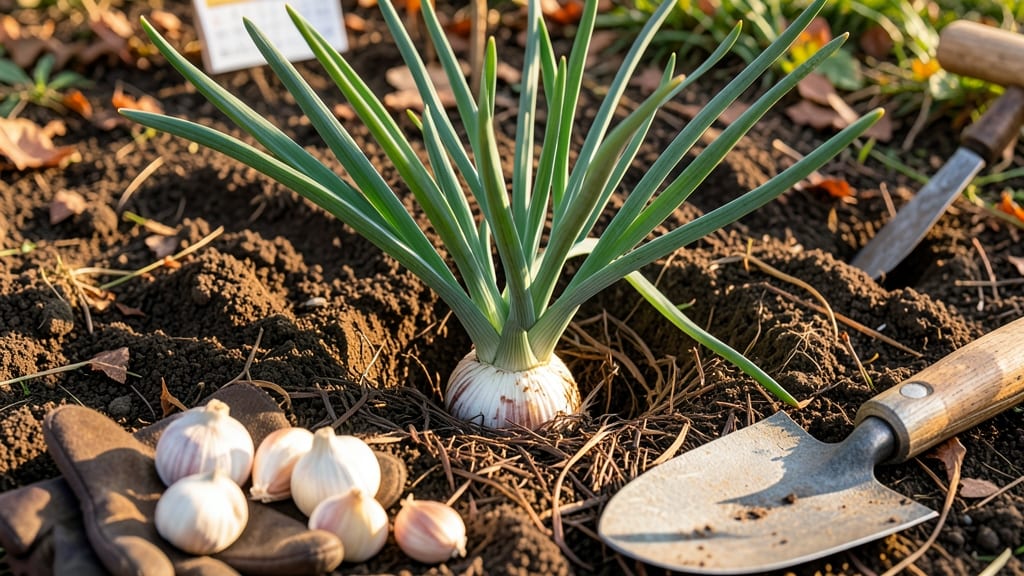
Planting garlic in Zone 9’s mild winters might seem tricky—especially when you’re not dealing with freezing temperatures like other regions. But timing matters more than you think: get it wrong, and you’ll end up with small bulbs or bitter-tasting harvests.
The key is understanding how Zone 9’s unique climate affects garlic growth, from avoiding bolting to maximizing bulb size.
Most gardeners in Zone 9 focus on planting in fall (October–December), but there’s actually a second window in winter (January–February) that works surprisingly well. I’ll break down the exact timing, soil prep, and even how to spot when you’ve missed the boat.
Whether you’re a beginner or a seasoned grower, these secrets will help you grow plump, flavorful 🧄 that rivals store-bought.
Why does timing matter so much? In Zone 9, garlic doesn’t need cold stratification like northern climates, but it still needs a cool period to develop properly.
I’ll show you how to adjust for your local microclimate—whether you’re in coastal areas with rare light frosts or inland zones with warmer winters. Plus, I’ll cover the most common mistakes that sabotage harvests and how to avoid them.
Ready to transform your garlic game? By the end of this guide, you’ll know exactly when to plant, how deep to bury those cloves, and even how to tell when your garlic is ready for harvest. Let’s get those bulbs growing!
Optimal planting windows for garlic in Zone 9 (with frost-free logic)
Zone 9’s frost-free climate makes garlic planting a year-round possibility—but timing still matters. Unlike colder zones, you won’t rely on frost to trigger dormancy. Instead, aim for soil temperatures between 50-60°F to prevent premature bolting or stunted bulbs.
This window typically spans October through February, with hardneck varieties needing cooler conditions and softnecks tolerating milder winters.
Your garlic’s success hinges on avoiding Zone 9’s heat spikes. Plant too early, and you risk bolting before bulb formation. Too late, and bulbs stay small. The key? Plant cloves 4-6 weeks before summer’s peak heat—usually by mid-December for hardnecks or late January for softnecks.
This ensures bulbs mature before temperatures climb above 80°F.
| Planting Window | Soil Temp Goal | Variety Fit | Harvest Month |
|---|---|---|---|
| October - November | 55-60°F | Hardneck (early) | June |
| December - January | 50-55°F | Hardneck (late) | July |
| January - February | 50-55°F | Softneck | July-August |
| March (emergency) | 55-60°F | Softneck only | September |
This table maps Zone 9’s planting windows to soil temperatures and variety needs. Hardnecks (like ‘German White’) need cooler starts, while softnecks (like ‘Silverskin’) adapt better to milder winters. March planting is risky but works for softnecks if you’re desperate for a harvest.
Hardneck garlic thrives in Zone 9’s cooler winter months but struggles when temperatures stay above 60°F for too long. These varieties need 60-90 days of cool weather to form bulbs properly.
Plant them in October or November for a June harvest. If you miss this window, switch to softnecks, which mature faster and tolerate warmer soils.
Softneck garlic offers more flexibility in Zone 9. They handle warmer soil temps (up to 65°F) and can be planted as late as February for a late-summer harvest. Varieties like ‘Artichoke’ or ‘California Early’ are excellent choices. Their longer storage life makes them ideal for Zone 9’s unpredictable winters.
Testing soil temperature is critical. Use a soil thermometer to confirm readings of 50-60°F before planting. In Zone 9, afternoon temps can spike even in winter. Plant in shaded beds or use black plastic mulch to regulate soil warmth. Avoid planting when daytime temps exceed 70°F, as this triggers bolting.
Microclimates in Zone 9 add complexity. Coastal areas stay milder year-round, while inland desert regions can have unexpected cold snaps. Adjust planting dates based on your location: Coastal? Plant in December. Inland? Aim for November. Monitor local weather forecasts for unusual temperature drops, which can stress garlic plants.
Spring planting is possible but risky in Zone 9. If you plant in March or April, bulbs may mature too quickly in summer heat, resulting in small, pungent cloves.
Reserve spring planting for softneck varieties only, and expect a smaller harvest. For best results, stick to fall/winter planting and save spring for green garlic harvests.
Prevent bolting with these Zone 9-specific tips: Use shade cloth during heatwaves, water deeply to cool soil, and choose bolting-resistant varieties like ‘Inchelium Red’. Bolting garlic sends energy to flower stalks instead of bulb formation.
If you spot scapes (flower shoots), remove them immediately to redirect energy to the bulb.
Your garlic’s bulb size depends on planting depth and spacing. In Zone 9, plant cloves 2 inches deep and 4-6 inches apart in rows spaced 12 inches apart.
Overcrowding leads to smaller bulbs, while proper spacing ensures airflow and reduces disease risk. Use a well-draining soil mix with compost to boost bulb development.
Remember: In Zone 9, the goal is cool soil + warm air. Plant when nights stay cool but days are mild—typically October through February. With this timing, you’ll avoid bolting, maximize bulb size, and enjoy a bountiful harvest just as summer heats up. 🧄
How to time your garlic planting for maximum yield (step-by-step guide)
Timing your garlic planting in Zone 9 is all about balancing the mild winter and avoiding summer heat. Since Zone 9 rarely freezes, you have flexibility—but planting too late means small bulbs, while planting too early risks bolting.
The key is to start when soil temps hit 50-60°F and count back 90-120 days to harvest.
Most gardeners in Zone 9 plant garlic in fall (October-December) or early winter (January-February). Fall planting gives roots time to establish before summer, while spring planting is riskier due to heat. Hardneck varieties handle Zone 9’s warmth better than softnecks, which bolt faster in heat.
- 1. Test soil temp: Use a soil thermometer to confirm 50-60°F before planting. Cooler temps delay growth but prevent bolting.
- 2. Plant by moon phases: Aim for a waxing moon (root growth phase) in October-November for stronger bulbs.
- 3. Adjust for microclimates: Coastal areas can plant 1 month earlier than inland zones due to cooler ocean breezes.
- 4. Spring planting hack: If planting in February-March, use shade cloth to protect from early heat and extend growth.
- 5. Count back from harvest: Zone 9’s June-July harvest means planting 9-10 months prior (e.g., September-October for fall crops).
If you’re unsure about soil temps, use the finger test: Stick your finger 2 inches deep. If the soil feels cool but not freezing, it’s ready.
For indoor starts, plant cloves in pots 4-6 weeks before outdoor planting to jumpstart growth—though Zone 9’s mild winters usually make this unnecessary.
Zone 9’s microclimates complicate timing. High desert areas (like Palm Springs) can plant as late as January, while coastal regions (like Santa Barbara) may start in October. Observe your garden’s heat patterns: if summer hits by May, plant garlic by November to avoid bolting.
Pro tip: Mark your calendar for April 1st—this is your last chance to plant garlic in Zone 9 without risking poor bulb formation. After this, focus on green garlic (harvesting shoots) instead of full bulbs.
With the right timing, you’ll harvest plump, flavorful garlic that rivals store-bought—and tastes like homegrown heaven.