
Plants
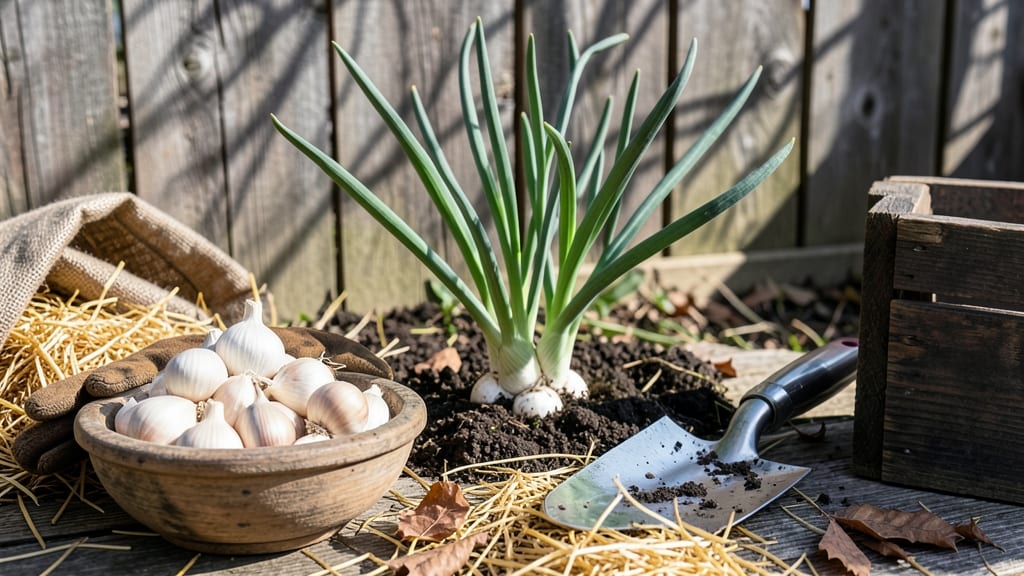
If you're planting garlic in Ohio this spring, timing is everything—and getting it wrong could mean smaller bulbs or even lost crops.
The key to success lies in understanding when soil temperatures rise enough to support growth, typically around 40°F in early March, but not so early that frost threatens your young plants.
Ohio’s USDA Zone 6a climate means you’ve got a narrow window to plant garlic for a strong harvest. Unlike fall planting—which yields bigger, more flavorful bulbs—spring garlic requires careful attention to soil conditions and frost dates, especially since Ohio’s last frost usually lingers until April 15.
In this guide, I’ll walk you through the exact steps to plant garlic in spring, from preparing your soil to spacing cloves correctly. Whether you’re a seasoned gardener or new to growing 🧄, these tips will help you avoid common pitfalls and maximize your harvest by late June.
You’ll also discover why some gardeners swear by fall planting and how to adapt spring strategies for Ohio’s unpredictable weather. Let’s get your garlic off to the best possible start!
Optimal Ohio garlic planting times: spring vs fall breakdown
Ohio’s USDA Zones 5-7 create a unique challenge for garlic growers—fall planting dominates for larger bulbs, but spring planting offers a backup window. The key difference? Soil temperature thresholds and frost-free growing days.
In Ohio, fall-planted garlic gets a 6-8 week head start before winter dormancy, while spring-planted garlic races against late frosts that can delay maturity.
For fall planting, aim for 4-6 weeks before ground freezes (typically mid-October to early November in Ohio).
This gives roots time to establish before winter. Spring planting, however, must happen as soon as soil reaches 40°F (usually late March to early April), but bulbs will be 20-30% smaller than fall-planted varieties. The trade-off?
Spring planting avoids winter risks like heaving (bulbs pushing out of frozen soil).
Why fall planting wins: Garlic stores energy over winter, producing larger bulbs when spring arrives. Spring-planted garlic grows faster but lacks this dormancy advantage. Ohio’s short growing season (165 frost-free days) makes timing critical—fall planting maximizes bulb development before summer heat sets in.
The comparison-table below breaks down success factors for each method, including soil prep, planting depth, and harvest windows. Use it to decide which approach fits your Ohio garden’s schedule and goals.
Ohio’s variable spring weather makes fall planting the safer bet for most gardeners. However, if you missed the fall window or want a second harvest, spring planting still works—just expect smaller bulbs.
For hardneck varieties (like Music or German White), fall planting is ideal because they need cold vernalization to form bulbs. Softneck varieties (like Silverskin) tolerate spring planting better but still thrive with fall prep.
Pro tip: If you plant in spring, choose early-maturing varieties like California Early or Artichoke to beat Ohio’s summer heat. These varieties mature in 90-100 days, giving them an edge over slower growers.
For fall planting, hardneck varieties outperform softnecks in Ohio’s climate due to their cold-hardiness and larger bulb production.
Both methods require well-draining soil and full sun, but fall planting adds an extra layer of mulching (use straw or leaves) to insulate bulbs over winter. Spring-planted garlic needs consistent moisture as it races to mature before summer’s 100°F+ temperatures slow growth.
Test your soil’s drainage before planting—garlic hates soggy roots, which lead to rot.
For Ohio gardeners, the choice boils down to patience vs. convenience. Fall planting demands forward planning but rewards you with bigger, more flavorful bulbs. Spring planting is low-pressure but sacrifices size.
I recommend both: plant a small fall batch for next summer’s harvest and a larger spring batch for immediate use. This way, you hedge your bets against Ohio’s unpredictable weather.
Spring garlic planting in Ohio is a second-chance opportunity for gardeners who missed the ideal fall window. While fall-planted garlic dominates for size, spring garlic still produces flavorful bulbs—just with careful timing. Ohio’s variable spring weather and late frosts demand precise prep, but the process is straightforward once you know the steps. Unlike fall planting, spring garlic relies on breaking dormancy at the right moment. The key is waiting until soil temperatures consistently reach 40°F (4°C)—typically late March to early April in most of Ohio. This timing ensures cloves sprout before late spring frosts (common until April 15 in Zone 6a). Spring-planted garlic in Ohio will take longer to mature (about 120–150 days) compared to fall-planted varieties. Harvest when lower leaves brown and bulbs feel firm—typically late June to July. Cure bulbs in a dry, shady spot for 2 weeks before storing. Ohio’s spring garlic thrives with patience and prep. While bulbs may be smaller than fall-planted garlic, they’re packed with flavor and perfect for small-scale harvests. Pro tip: Interplant with fast-growing greens (like spinach) to maximize space until garlic fills in. 🌱Step-by-step spring garlic planting guide for Ohio gardens