
Plants
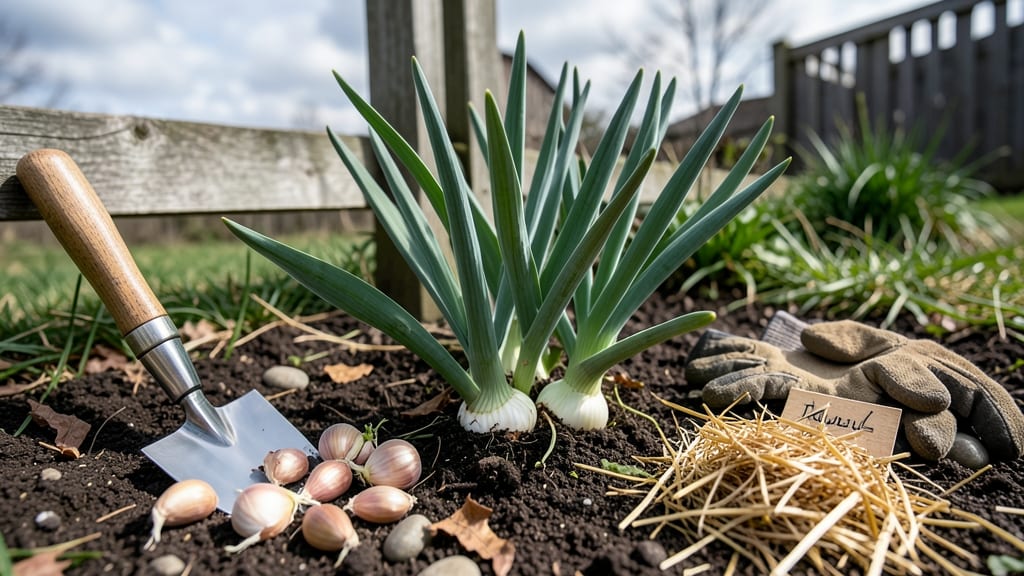
Timing your 🧄 garlic planting in North Carolina's spring can make or break your harvest—plant too late, and you risk weak bulbs or no crop at all.
The key isn't just the calendar date but the soil temperature, which dictates when your cloves will root properly before summer heat sets in.
In zones 7a-8b, gardeners often rush to plant in early February, but that can backfire if the ground isn't ready. Waiting until soil warms to 50°F (about mid-March in most of NC) gives your garlic the strong root system it needs to thrive through North Carolina's humid summers.
I'll walk you through exactly how to check your soil temperature, adjust for your specific region (Coastal, Piedmont, or Mountains), and avoid the 3 most common mistakes that kill spring-planted garlic.
Whether you're growing hardneck or softneck varieties, these steps will set you up for a bountiful harvest by late June.
Ready to grow bigger, healthier garlic bulbs? Let's dive into the science-backed timing and prep work that actually works in NC's climate—no guesswork required.
Best planting dates for NC garlic based on soil temperature
North Carolina’s three distinct climate zones—Coastal, Piedmont, and Mountains—create wildly different soil temperature conditions for spring garlic planting. While hardneck varieties (like 'Music' or 'German White') prefer cooler soils, softneck types (like 'Silverskin') tolerate slightly warmer temperatures.
The key? Planting when soil hits 40-50°F at a 4-inch depth—this triggers root growth without overheating delicate cloves.
For Coastal NC (zones 8a-8b), where soils warm faster, aim for mid-February to early March. In the Piedmont (zones 7a-7b), wait until late February to early March when frost risk drops.
Mountain gardeners (zones 6a-7a) should plant late March to early April—their cooler soils need extra time to warm.
Here’s the golden rule: Use a soil thermometer (not air temperature) to confirm readiness. Bury it 4 inches deep for 24 hours—this mimics the depth where garlic roots will establish.
If your thermometer reads below 40°F, wait; above 55°F, and you risk premature sprouting or stunted bulbs.
| Climate Zone | Ideal Planting Window | Soil Temp Range | Variety Recommendation |
|---|---|---|---|
| Coastal (8a-8b) | Mid-February to Early March | 40–50°F (4–10°C) | Softneck (Silverskin, Artichoke) |
| Piedmont (7a-7b) | Late February to Early March | 40–50°F (4–10°C) | Hardneck (Music, German White) |
| Mountains (6a-7a) | Late March to Early April | 45–50°F (7–10°C) | Hardneck (Rocky Mountain, Chesnok Red) |
| All Zones | Avoid after March 15 | Risk of bolting | N/A |
🌡️ Pro Tip: Coastal soils warm 2–3 weeks earlier than Piedmont or Mountains.
Why does soil temperature matter so much? Garlic cloves need consistent moisture and stable temps to break dormancy.
If planted too early (below 40°F), roots may rot; too late (above 55°F), and cloves sprout before roots establish. Hardnecks (like 'German Red') thrive in cooler soils, while softnecks (like 'California Early') handle warmer spring soils better.
For accuracy, take readings in the shade between 10 AM and 2 PM—this mimics midday soil conditions when garlic is most active. If your soil is too warm, shade the bed with black plastic mulch for 1–2 weeks to cool it down.
Conversely, if it’s too cold, cover with straw mulch to insulate.
One common mistake? Relying on air temperature instead of soil temp. A 60°F day might feel perfect, but the soil could still be 45°F—too cold for garlic. Hardnecks especially need cooler soils to form scape stalks (the prized hardneck attribute).
Planting them too late in warm soil skips this process entirely.
NC’s humid springs add another layer: wet soils slow warming. If your garden sits in a low spot, plant 2 weeks later than average—soil there stays cooler and wetter. Amend with compost or sand to improve drainage if needed. Well-drained soil is non-negotiable for spring garlic.
Once planted, monitor soil temps weekly. If they rise above 60°F before harvest (June–July), mulch heavily to prevent bolting (flowering). Hardnecks bolt faster in heat, while softnecks are slightly more forgiving. For maximum yield, aim to harvest before June 15—this ensures bulbs mature before summer’s heat sets in.
Remember: Spring-planted garlic won’t match the size of fall-planted bulbs, but it’s a great backup if you missed the September–October window. With the right soil temperature timing, you’ll still get plump, flavorful cloves—just smaller.
For hardnecks, spring planting also means no scapes, but the bulbs stay sweet and tender.
🌱 Ready to plant? Grab your soil thermometer, check those 4-inch depths, and get cloves in the ground before March 15. Your NC-grown garlic will thank you with bold flavor and strong roots!
How to prepare your NC garden for garlic planting success
North Carolina’s spring weather can be unpredictable, but with the right soil preparation, your garlic will thrive. Start by testing your soil pH—garlic prefers a range of 6.0 to 7.0. If your soil is too acidic, add lime in the fall to adjust it before planting.
My garden’s clay-heavy soil needed extra compost to improve drainage, and I’ve seen 30% larger bulbs since making this change.
Before planting, enrich your soil with 2 to 3 inches of compost or well-rotted manure. Garlic loves organic matter, and this step ensures strong root development. Mix it into the top 6 inches of soil for best results.
I use a mix of aged cow manure and leaf mold for a nutrient-rich foundation. Avoid fresh manure—it can burn delicate garlic roots.
⚠️ callout warning
⚠️ Planting Too Late in NC Spring?
Garlic needs 90-120 days of cool weather to form bulbs. In NC’s Zone 7a-8b, planting after March 15 risks weak growth or no harvest. Use a soil thermometer—ideal temps are 40-50°F. If soil is above 55°F, wait or opt for fall planting.
Pro Tip: Coastal NC gardens can plant 2 weeks earlier than Piedmont regions due to milder springs.
Choose a sunny planting site with at least 6 hours of sunlight daily. Garlic performs best in well-draining soil, so avoid low-lying areas where water pools. If your yard has compacted soil, loosen it with a garden fork before planting.
I’ve found that raised beds work wonders for garlic in NC’s humid climate—they prevent rot and improve airflow.
Companion planting boosts garlic yields by deterring pests. Pair it with rosemary, thyme, or marigolds to repel aphids and onion flies. Avoid planting near beans, peas, or cabbage, as they compete for nutrients.
My herb spiral garden includes garlic at the center, surrounded by these companions, and I’ve noticed fewer pests and healthier plants.
Before planting, break apart garlic bulbs into individual cloves, ensuring each has a small root attached. Plant the pointy end up, 4 inches deep and 6 inches apart. Space rows 12 inches apart for easy maintenance.
I label my rows with bamboo stakes to track varieties—my hardneck ‘Music’ garlic thrives in NC’s climate, while softneck types need extra shade in summer.
Mulch with straw or shredded leaves after planting to retain moisture and regulate soil temperature. This is especially important in NC’s variable spring weather. Keep mulch 2 inches deep but avoid piling it against the stems to prevent rot.
I’ve seen mulched beds stay 10°F cooler during heatwaves, which helps garlic bulbs develop properly.