
Plants
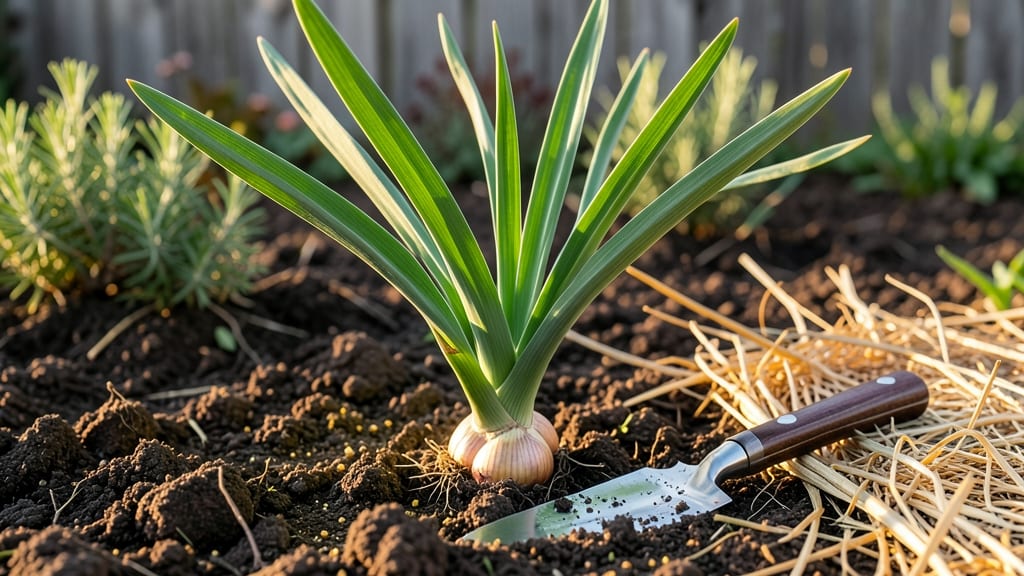
Planting garlic in the fall is the key to growing bold, flavorful bulbs—but timing it wrong can leave you with weak harvests. The secret lies in knowing exactly when to plant based on your climate zone, because those 4-6 weeks before frost are your golden window.
In USDA Zone 6a, where I garden, that means getting cloves into the soil by mid-October at the latest. Too early, and the garlic may sprout too soon; too late, and winter’s chill won’t help it root properly.
The right timing ensures your 🧄 develops strong roots before the ground freezes, setting the stage for next summer’s harvest.
But what if you’re not in Zone 6a? The rules shift depending on your region—whether you’re in a milder coastal area or a harsh northern climate. I’ll break down the exact deadlines for your zone, plus how to adjust for early frosts or unexpected warmth.
You’ll also discover how hardneck vs. softneck varieties respond differently to timing, and the simple soil prep tricks that make all the difference. Let’s get your garlic off to the best possible start!
Fall garlic planting deadlines by USDA climate zone: exact weeks to plant
Getting your garlic in the ground at the right time is everything—too early, and it rots; too late, and bulbs won’t mature. The golden rule? Plant 4–6 weeks before the first hard frost, but your USDA climate zone dictates the exact window.
In colder zones (3–5), you might plant as early as September 15, while warmer zones (8–10) can wait until December 1. Soil temperatures below 40°F signal it’s time to plant, but frost timing is the real deadline.
Why does this matter? Garlic needs 90–120 days of cold exposure to form bulbs, and planting too late cuts that time short. Hardneck varieties (like Rocky Mountain) need more chill hours, while softnecks (like Artichoke) are more flexible.
Your zone’s frost date isn’t just a guideline—it’s your planting deadline. Miss it, and you’ll harvest weak, pitted bulbs—or worse, nothing at all.
Here’s the kicker: Regional microclimates can shift your deadline by weeks. A valley might frost earlier than a hillside, or coastal areas stay warmer longer. Always check your local frost dates (not just the zone average) and adjust accordingly.
For example, Zone 6a gardeners in Chicago plant by October 15, while those in Denver might push it to November 1.
🌱
| USDA Zone | Planting Window | Soil Temp Threshold | Deadline (Before Frost) | Best Varieties |
|---|---|---|---|---|
| 3–4 | September 15–October 1 | Below 40°F | 4–6 weeks before first frost | Hardneck (Silverskin, Creole) |
| 5 | October 1–15 | Below 40°F | 4–6 weeks before frost | Hardneck (German White, Purple Stripe) |
| 6 | October 15–31 | 35–40°F | 4–6 weeks before frost | Hardneck (Music, Chesnok Red) |
| 7 | November 1–15 | 35–40°F | 6 weeks before frost | Softneck (Silverskin, California Early) |
| 8–9 | November 15–December 1 | 30–35°F | 8 weeks before frost | Softneck (Artichoke, Inchelium Red) |
| 10 | December 1–15 | 28–32°F | 10 weeks before frost | Softneck (California Late, Italian White) |
If you’re in Zone 5 or colder, aim for mid-October planting. The soil should be cool but workable—50–60°F is ideal. Use a soil thermometer to confirm.
In Zones 6–7, late October to early November works best, while Zones 8–10 can plant as late as December 1 (though bulbs may be smaller). Pro tip: Hardneck garlic thrives in colder zones, while softnecks handle warmer winters better.
What if your frost date is unusually early or late? Adjust by 1–2 weeks based on weather forecasts. For example, if your zone’s average frost is November 15 but a cold snap is predicted for November 1, plant by October 15 instead.
Conversely, if winters are mild (like in Zone 9 coastal areas), you might push planting to December 15—but expect smaller yields.
One more critical detail: Soil temperature matters just as much as frost dates. Garlic cloves won’t sprout if the ground is too warm (above 70°F). In Zones 8–10, where winters are mild, plant in late fall to avoid heat stress.
If your soil stays warm past November 1, wait until temperatures drop naturally or use shade cloth to cool the bed.
For container gardening, the rules shift slightly. Pots cool faster than in-ground beds, so plant 2 weeks earlier than your zone’s deadline. Use black plastic mulch to warm the soil in cold zones or straw mulch to insulate in warmer areas.
Containers also dry out faster—water deeply once a week until the ground freezes. 💧
Don’t overlook regional frost quirks. Mountainous areas (like Zone 6 in Colorado) frost earlier than valleys, while urban heat islands (like Zone 7 in Phoenix) delay frost. When in doubt, consult your
How to choose the right garlic varieties for your fall planting schedule
Selecting the right garlic varieties for your fall planting schedule depends on two key factors: your USDA climate zone and whether you need hardneck or softneck types. These categories behave differently in short versus long growing seasons, so matching your variety to your zone’s frost dates ensures strong bulb development.
For example, hardneck varieties thrive in colder climates with shorter growing seasons, while softnecks prefer milder winters and longer growing periods.
Hardneck garlic, known for its bold flavor and scape production, needs 4-6 weeks of cold exposure to form bulbs. Plant these varieties in USDA zones 3-7, where winters are cold enough to trigger bulb development.
Softneck garlic, on the other hand, stores better and has a milder taste, making it ideal for zones 5-10 with longer, milder winters. If you’re in a transitional zone (like zone 7-8), you might experiment with both types to see which performs best.
Your local frost dates determine the exact planting window. In zones 3-5, aim to plant garlic 6 weeks before the first hard frost—typically mid-to-late September. In zones 6-8, extend the window to 4-6 weeks before frost, usually late October.
Zones 9-10 can plant as late as December since frost is rare, but avoid planting too close to winter rains, which can rot cloves.
Hardneck vs. Softneck Garlic: Which Works for Your Zone?
Hardneck Garlic
- Pros: Bold flavor, produces scape, thrives in cold zones (3-7).
- Cons: Shorter storage life, needs cold exposure.
Softneck Garlic
- Pros: Milder taste, stores 6-12 months, suits warm zones (5-10).
- Cons: No scapes, slower bulb development in cold climates.
For short-season zones (3-5), prioritize hardneck varieties like ‘German White’ or ‘Music’, which mature quickly and handle freezing temperatures. In longer seasons (zones 6-10), softnecks like ‘Artichoke’ or ‘Silverskin’ shine because they have more time to develop larger bulbs.
If you’re unsure, check your local cooperative extension service for variety recommendations tailored to your area’s microclimate.
Another critical factor is soil temperature. Garlic cloves should be planted when soil temps drop to 40-50°F. Use a soil thermometer to monitor conditions—planting too early (when soil is still warm) can cause cloves to sprout prematurely, while waiting too long risks frost damage.
In warmer zones (9-10), you can plant softneck varieties in winter, but avoid planting during heavy rain periods to prevent rot.
Once you’ve selected your variety, prepare the soil by amending it with compost and a balanced fertilizer (like 10-10-10). Plant cloves 2 inches deep, 4-6 inches apart, with the pointed end facing up.
Mulch heavily with straw or leaves to insulate the soil and protect cloves from extreme cold. This setup ensures your garlic gets the cold stratification it needs to form strong bulbs, regardless of whether you’re growing hardneck or softneck types.
Remember, the goal is to give your garlic enough time to establish roots before winter sets in, but not so much that it starts actively growing too early. With the right variety and timing, you’ll harvest plump, flavorful bulbs come late summer—worth the fall planning! 🌱🧄