
Trees
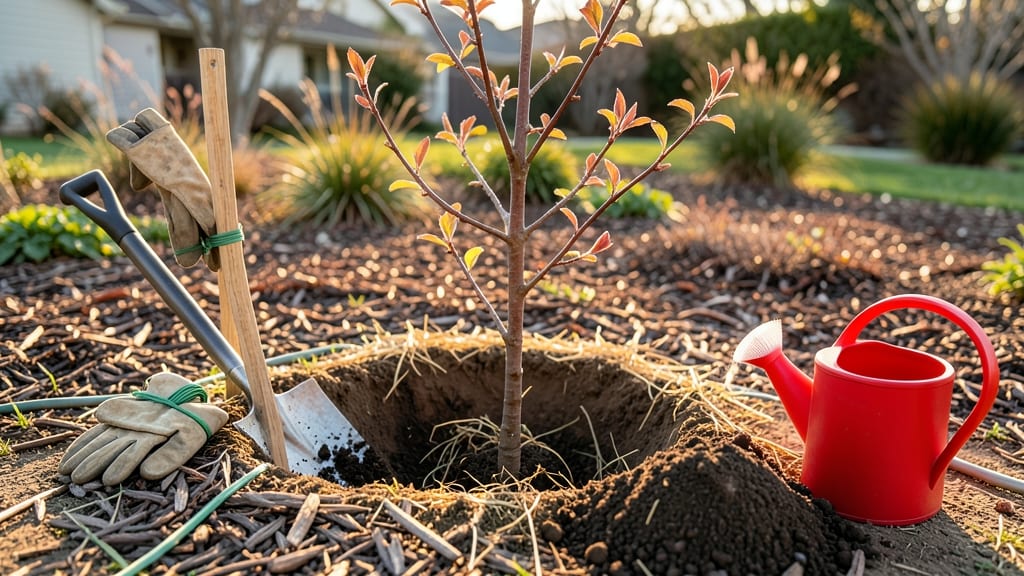
Planting fruit trees in Northern California at the wrong time can turn your dream orchard into a frost-killed disappointment—especially when stone fruits and citrus have such different needs. The key isn’t just picking a month; it’s understanding your microclimate’s last frost dates and soil warmth.
I’ve seen firsthand how a two-week difference in planting can mean the difference between thriving trees and struggling saplings. Whether you’re in the Bay Area’s coastal fog or the Sacramento Valley’s hotter interior, timing matters more than most gardeners realize.
In this guide, I’ll break down the exact spring windows for planting in your specific zone, from preparing the soil to protecting young trees from unexpected cold snaps. You’ll learn which varieties thrive where—and why some fruit trees need to go in the ground before others.
Let’s get your fruit trees off to the best possible start, so you’re harvesting homegrown goodness in just a few years’ time. Ready to plant with confidence?
Northern California’s last frost dates by microclimate: best planting months for fruit trees
Northern California’s diverse microclimates create a puzzle for fruit tree growers. The Bay Area’s coastal breezes delay frost, while the Sacramento Valley’s inland heat can bake young trees if planted too early.
Understanding your last frost dates is the key to avoiding frost damage and ensuring strong root establishment before summer’s heat arrives.
For most Northern California regions, late winter to early spring is the sweet spot for planting.
However, citrus trees in coastal zones can often be planted in fall or early winter, while stone fruits like peaches in the foothills need to be in the ground before March 15 to avoid late-season frost risks.
Elevation plays a critical role—Sierra Foothills at 1,000+ feet may see frost until April 15, while coastal areas like Santa Cruz often stay frost-free year-round. Proximity to San Francisco Bay or the Sacramento River can also shift frost patterns by weeks.
Here’s a detailed breakdown of last frost dates and ideal planting windows for your region:
| Region | Last Frost Date (Avg.) | Best Planting Window | Ideal Fruit Trees | Notes |
|---|---|---|---|---|
| Bay Area (Coastal) | Mid-December to early January | November–March (fall/winter for citrus) | Lemon, avocado, fig, olive | Cooler summers; citrus thrives in mild winters |
| Sacramento Valley (Inland) | Mid-February to early March | February–April (avoid heatwaves) | Peach, plum, apricot, persimmon | Hot summers; needs deep watering |
| Sierra Foothills (1,000–3,000 ft) | Late March to mid-April | March–early May | Apple, cherry, pear, cold-hardy peaches | Frost risk until late spring; well-draining soil needed |
| Coastal (Santa Cruz to Mendocino) | Almost none (rare light frosts) | Year-round (best in fall/winter) | Citrus, pomegranate, kiwi, olive | Humidity can cause fungal issues; prune for airflow |
In the Bay Area, where coastal fog lingers, citrus trees like ‘Lisbon’ lemons can often be planted as late as February without frost risk. Meanwhile, Sacramento’s inland heat demands planting stone fruits like ‘Frost’ peaches by March 15 to avoid heat stress during root establishment.
For Sierra Foothills gardeners, apple and pear trees should be planted by April 1 to ensure they’re established before the first May frosts that can still occur at higher elevations. These areas also benefit from windbreaks to protect young trees from cold air pooling.
If you’re in a transition zone—like the Napa Valley or Sonoma Coast—monitor local weather stations for microclimate shifts. A valley floor might frost over while a hillside stays warm, so planting location matters as much as timing.
Pro tip: Bare-root trees can be planted up to 2 weeks before your region’s last frost date, while container-grown trees offer more flexibility and can often be planted 1–2 months later without stress.
Once planted, mulch heavily to insulate roots and water deeply in the first year to encourage strong growth before summer’s heat sets in. With these microclimate-specific guidelines, you’ll give your fruit trees the best possible start—no frost-related surprises included!
How to choose the perfect fruit tree varieties for your Northern California microclimate
Northern California’s diverse microclimates—from the frost-prone foothills to the mild coastal zones—demand thoughtful fruit tree selection. The wrong variety can result in frost damage or poor yields, while the right match ensures abundant harvests with minimal effort. Let’s explore how to pair trees with your local conditions for success.
First, consider your USDA hardiness zone (typically 7b-10a in NorCal). Coastal areas like Santa Cruz (Zone 9b) can handle citrus and figs, while inland valleys like Sacramento (Zone 9a) need cold-hardy stone fruits. Elevation also matters—Sierra foothills (Zone 7b) require late-blooming varieties to avoid spring frosts.
| Region | Best Varieties | Key Traits |
|---|---|---|
| Coastal (Zone 9b-10a) | 'Lisbon' Lemon, 'Improved Meyer' Lemon, 'Fruit Salad' Fig | Frost-sensitive, drought-tolerant, self-pollinating |
| Sacramento Valley (Zone 9a) | 'Frost' Peach, 'Redhaven' Cherry, 'Nonpareil' Almond | Cold-hardy, cross-pollination needed, early bloomers |
| Sierra Foothills (Zone 7b) | 'Sanger' Mandarin, 'Elberta' Peach, 'Harvest Gold' Nectarine | Late-blooming, self-pollinating, moderate drought tolerance |
| Bay Area (Zone 9a-9b) | 'Eureka' Lemon, 'Santa Rosa' Plum, 'Honeycrisp' Apple (dwarf) | Heat-tolerant, wind-resistant, requires cross-pollination |
Next, evaluate pollination needs. Many stone fruits (peaches, plums) require cross-pollination, so plant at least two compatible varieties. Self-pollinating options like 'Satsuma' mandarins or 'Lisbon' lemons simplify coastal orchards. For drought-prone inland areas, prioritize deep-rooted varieties like 'Nonpareil' almonds or 'Honeycrisp' apples (dwarf).
Don’t overlook frost sensitivity. Citrus thrives in coastal zones but risks leaf burn in inland freezes. Instead, opt for 'Satsuma' mandarins, which tolerate brief cold snaps. For foothill gardens, 'Frost' peaches bloom late, avoiding spring frosts.
Always check chilling hour requirements—apples and pears need 300-800 hours below 45°F, while stone fruits thrive with 200-500 hours.
Finally, match tree size to your space. Dwarf varieties (like 'Columnar' apples) fit urban yards, while standard-size trees suit rural lots. Mulch heavily in inland areas to retain moisture, and use drip irrigation for coastal citrus to prevent salt buildup.
With these strategies, your orchard will flourish year after year.
🌱