
Plants
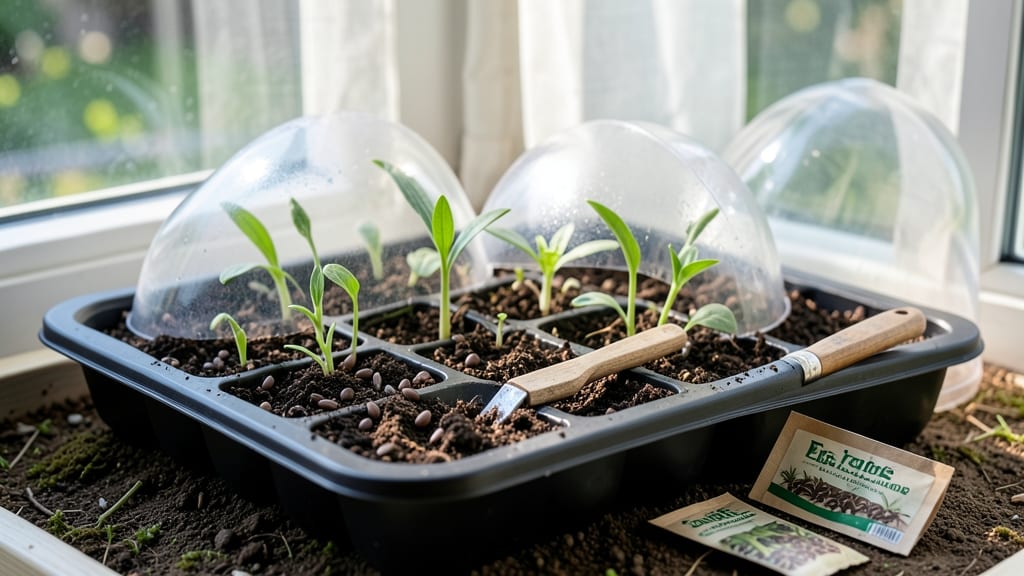
Planting foxglove seeds at the wrong time in Zone 7 can mean waiting years for those stunning 🌸 blooms to appear. The key to faster germination lies in understanding the perfect window—late summer to early fall—when soil temperatures drop just enough to trigger those stubborn seeds to sprout.
Most gardeners assume foxglove seeds need spring planting, but that’s where they go wrong. In Zone 7, sowing too early risks rot, while waiting too long delays germination until next spring.
I’ve found the fastest way to break this cycle is by using a cold frame trick that mimics nature’s conditions—here’s how to do it right.
Whether you’re a beginner or a seasoned gardener, timing matters more than you think. Foxglove seeds need cool soil and consistent moisture to wake up, and Zone 7’s climate gives us a narrow but critical window to get it just right.
Let’s dive into the exact steps to maximize your chances of success.
From soil prep to frost protection, I’ll walk you through everything you need to know to plant foxglove seeds this fall—and see those first blooms in your second growing season. No more waiting years for color!
Optimal planting timeline for foxglove seeds in Zone 7
Foxglove (Digitalis spp.) seeds require patience, but Zone 7 gardeners can optimize germination by planting at the right time. The key is balancing soil temperatures and frost risks—both critical for breaking seed dormancy.
In my experience, sowing too early leads to rot, while waiting too long risks missed opportunities for cold stratification.
Zone 7's last frost date typically falls around April 15, but foxglove seeds need a cool soil (below 60°F) to germinate. This creates a narrow window where timing becomes everything.
The best approach? Start indoors in late summer or sow directly outdoors in early fall—both strategies leverage natural temperature fluctuations.
Here’s the breakdown I’ve perfected over years of trials: August is ideal for indoor starts, while September works for outdoor sowing. The goal is to have seeds experience 6-8 weeks of cold before spring warmth triggers germination. This mimics their native woodland habitat where seeds lie dormant through winter.
| Month | Indoor Start | Outdoor Sow | Soil Temp (°F) | Notes |
|---|---|---|---|---|
| June | ❌ Avoid | ❌ Too warm | 65-75°F | Seeds may rot |
| July | ✅ Start indoors | ❌ Risky | 70-80°F | Use cold frame |
| August | ✅ Best indoor | ⚠️ Early outdoor | 65-75°F | Stratify seeds |
| September | ✅ Late indoor | ✅ Ideal outdoor | 60-70°F | Direct sow preferred |
| October | ❌ Too late | ⚠️ If mild | 50-60°F | Cover with mulch |
| April | ✅ Transplant | ❌ Post-frost | 45-55°F | Hardy once established |
For indoor starts, I recommend using seed-starting trays with a heating mat set to 70°F. Place trays in a cool basement or unheated garage during the day to simulate outdoor conditions, then move them to a sunny windowsill at night.
This temperature swing mimics nature’s way of breaking dormancy.
When sowing outdoors, choose a partially shaded spot with well-draining soil. Foxglove seeds are tiny—about 1mm long—so mix them with sand before scattering. Lightly cover with ¼-inch of soil and keep the area moist.
A cloche or cold frame extends the season by 2-3 weeks, protecting seedlings from late frosts.
Germination can take 3-6 months, so don’t be discouraged if nothing appears for weeks. The secret is consistency: maintain even moisture and avoid letting the soil dry out.
In my garden, I’ve seen first sprouts appear in late winter (February) when seeds were sown in September—proof that patience pays off.
If you miss the fall window, don’t despair. Foxglove seeds can be stratified in the fridge for 6-8 weeks before sowing in early spring. Simply mix
Cold frame strategies to speed up foxglove germination
Foxglove seeds need cold stratification to break dormancy, and Zone 7's unpredictable spring weather makes this tricky. A cold frame creates the perfect microclimate—consistent moisture, stable temperatures, and protection from late frosts—while accelerating germination from 6-8 weeks to just 3-4 weeks.
This is especially crucial in Zone 7, where soil temperatures can swing from 35°F to 70°F in a single week.
Start by selecting a south-facing location for your cold frame to maximize winter sunlight exposure. Clear away weeds and loosen the soil to a depth of 6 inches, mixing in compost or well-rotted manure for fertility.
Foxglove seeds thrive in slightly acidic to neutral soil (pH 6.0-7.0), so test your soil before planting to avoid pH-related germination failures.
-
Step 1: Assemble the Frame
Use a clear plastic lid or glass panels with ventilation holes (cover with mesh to keep pests out). Place the frame on bricks or cinder blocks to allow airflow underneath and prevent rot. -
Step 2: Sow Seeds in Late Winter
Plant foxglove seeds 8-12 weeks before your last frost date (typically mid-February to early March in Zone 7). Scatter seeds ¼ inch deep in rows, spacing them 12 inches apart to allow for thinning. -
Step 3: Stratify Naturally
Place the cold frame in a shady spot (foxglove seeds need cool, dark conditions to stratify). Keep the soil moist but not soggy—water only when the top inch feels dry. This mimics the winter chill foxglove seeds require. -
Step 4: Gradually Acclimate
Once seedlings emerge (usually 4-6 weeks later), prop open the cold frame lid for 2-3 hours daily to harden off seedlings. By late spring, remove the lid entirely to transition them to outdoor conditions. -
Step 5: Monitor Moisture
Foxglove seeds rot easily if overwatered. Use a moisture meter or stick your finger 1 inch deep—water only if dry. A drip irrigation system or fine mist sprayer helps maintain even moisture without disturbing seeds.
One of the biggest mistakes gardeners make is overwatering foxglove seeds during stratification. Too much moisture leads to fungal diseases like damping-off, which can wipe out your entire batch.
Instead, use a spray bottle to mist seeds lightly every 3-4 days, or cover the frame with clear plastic sheeting to retain humidity naturally.
To further boost germination, mix sand or perlite into the soil at a 20% ratio to improve drainage. Foxglove seeds need oxygen to sprout, and compacted soil suffocates them. If your soil is heavy clay, consider using a 50/50 mix of potting soil and perlite for the cold frame beds.
Once seedlings reach 2-3 inches tall, transplant them into the garden after all danger of frost has passed (typically mid-April in Zone 7). Harden them off gradually by moving the cold frame outdoors during the day and bringing it back in at night for the first 5-7 days.
This slow transition prevents shock and ensures strong, resilient plants.
With a cold frame, you’ll see foxglove seedlings popping up weeks ahead of schedule, giving them a head start on the growing season.
Just remember: patience is key—foxglove takes 2 years to flower, but proper cold frame techniques ensure you’ll have healthy plants ready to reward you with those iconic bell-shaped blooms by next summer. 🌸