
Plants
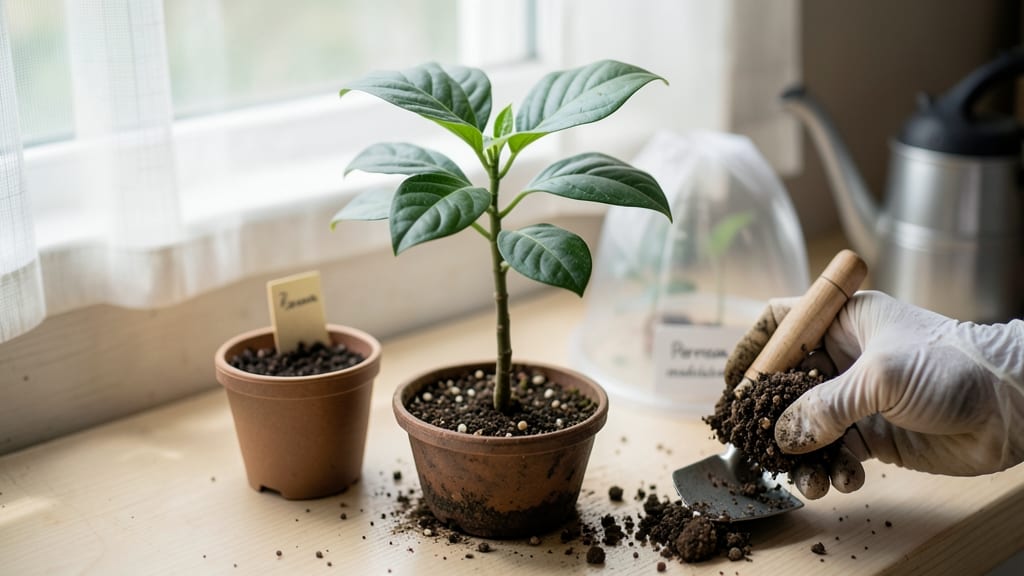
Planting your avocado seed 🥑 in dirt at the wrong time can mean the difference between a thriving seedling and a sad, shriveled mess.
The key to success lies in waiting until soil temperatures consistently hit 60°F or warmer, ensuring your seed has the warmth it needs to sprout without rotting.
Most gardeners make the mistake of rushing the process, especially in cooler climates like USDA Zone 6. But timing isn’t just about the calendar—it’s about the environment.
If you plant too early, your seedling will struggle, and if you wait too long, you might miss the ideal late spring to early summer window when conditions are perfect.
I’ve learned the hard way that patience pays off when growing avocados. In this guide, I’ll walk you through the exact steps to time your planting for fast germination, from checking soil warmth to preparing the perfect spot for your seedling. Let’s get those roots growing!
Whether you’re in a warm climate where planting can happen year-round or a cooler zone where you need to wait for frost to pass, I’ve got the tips to help you succeed.
By the end, you’ll know exactly when to plant your avocado seed in dirt for the best chance at a healthy, fast-growing tree.
Best time of year to plant avocado seeds in soil for optimal germination
Timing your avocado seed planting is critical—these tropical trees thrive in warmth, and soil temperatures below 60°F can stall or kill germination. The ideal window is late spring to early summer, when daytime highs consistently reach 70-85°F and nighttime lows stay above 55°F.
In USDA Zones 9-11, you can plant as early as March-April, while Zones 6-8 should wait until May-June after the last frost risk has passed.
Avocado seeds are sensitive to cold soil, which causes rot or dormancy. Even if your seedling has sprouted indoors, transplanting too soon into chilly outdoor soil (below 65°F) shocks the roots.
Use a soil thermometer to confirm temperatures—this small tool prevents costly mistakes. In tropical climates, you can plant year-round, but summer’s heat (above 90°F) may require afternoon shade for young seedlings.
🌱
| Climate Zone | Best Planting Window | Soil Temp Requirement | Key Preparation |
|---|---|---|---|
| Tropical (Zones 9-11) | Year-round (avoid frost) | 65-90°F (consistent) | Use shade cloth for summer heat |
| Temperate (Zones 6-8) | Late May to early July | 70-85°F (minimum) | Hardening off seedlings for 10 days |
| Cold (Zones 3-5) | June to August | 75-80°F (protected microclimate) | Plant in containers for winter moves |
| Desert (Zones 10+) | September to November | 60-75°F (avoid extreme heat) | Mulch heavily to retain moisture |
For temperate climates, aim to plant your avocado seedling when your local nursery’s citrus section is stocked—this signals ideal soil warmth. A simple trick is to watch dandelions: if they’re blooming vigorously, your soil is likely 65°F or warmer, perfect for transplanting.
In cooler regions, consider starting seeds indoors in February and delaying outdoor planting until July to ensure the seedling’s roots establish before winter.
Your seedling’s readiness matters just as much as the season. Look for 2-3 mature leaves and a root system 3-4 inches long before planting. Smaller seedlings struggle to compete with weeds and may need extra staking in windy areas.
If your seedling has yellowing leaves, it’s overwatered—let the soil dry slightly before transplanting to prevent root rot.
Preparing your planting site is just as important as timing. Avocados demand well-draining soil with a slightly acidic pH (6.0-7.0). Amend heavy clay with compost and perlite to improve aeration, and avoid low-lying areas where cold air pools.
A south-facing slope or raised bed offers the warmest microclimate for your young tree. In urban gardens, containers work well—just ensure pots have drainage holes and use a lightweight potting mix.
If you miss the spring planting window, don’t despair—fall planting can work in mild climates (Zones 9-11). Transplant seedlings in September-October, giving them 8-10 weeks to establish roots before winter.
Water deeply every 5-7 days to encourage root growth, and apply a 2-inch layer of mulch to insulate roots. Avoid fall planting in frost-prone areas, as even one cold snap can kill young avocado trees.
Protect your new planting with a frost cloth if nighttime temps dip below 50°F, especially in Zones 6-8. Young avocados are sensitive to cold damage, and even light frost can blacken leaves permanently.
In tropical zones, focus on shade protection during summer afternoons to prevent leaf scorch. A 50% shade cloth stretched over a hoop house creates the perfect balance of sunlight and temperature control.
After planting, monitor your seedling’s water needs closely. Deep water once a week for the first month, then adjust based on rainfall and soil moisture. Stick your finger 2 inches into the soil—if it’s dry, water again.
Overwatering is a common killer of young avocado trees, so always allow the top inch of soil to dry
Step-by-step guide: when and how to transplant avocado seedlings into dirt
Transplanting your avocado seedling into soil is a critical step that determines whether your young tree thrives or struggles. The key is waiting until your seedling shows clear signs of readiness, like 2-3 inches of roots and 2-3 healthy leaves.
Rushing this process risks root shock or fungal infections, while waiting too long can stunt growth. I’ve transplanted dozens of seedlings, and the difference between success and failure often comes down to these early stages.
Before you begin, ensure your soil is well-draining and slightly acidic (pH 6.0-7.0). Avocado trees hate soggy roots, so mix in perlite or sand if your native soil is heavy clay. I always test my soil first—it’s a small investment that pays off with healthier plants.
If you’re in a frost-prone zone, wait until after the last frost date (typically late spring in most regions) to avoid cold damage.
🌱 Step-by-Step Transplanting Guide for Avocado Seedlings
-
Step 1: Check Root and Leaf Development
Gently remove your seedling from its water jar or pot and inspect the roots. Aim for 2-3 inches of healthy roots and 2-3 glossy leaves. If roots are sparse (<1 inch), wait another 1-2 weeks.
-
Step 2: Prepare the Planting Hole
Dig a hole twice as wide as your seedling’s root ball but only as deep as the container. Loosen the soil at the bottom with a trowel to encourage root spread. Mix in compost or aged manure for nutrients.
-
Step 3: Transplant with Care
Place the seedling in the hole, ensuring the soil line matches the original depth (burying the stem can cause rot). Fill the hole with soil, pressing gently to remove air pockets. Water thoroughly to settle the roots.
-
Step 4: Mulch and Support
Apply a 2-inch layer of mulch (straw or wood chips) around the base to retain moisture and suppress weeds. If your seedling is top-heavy, stake it lightly to prevent tipping over.
-
Step 5: Monitor for Shock
Keep the soil moist but not soggy for the first 2 weeks. Watch for yellowing leaves (overwatering) or wilting (underwatering). If leaves droop, mist them lightly and provide partial shade for a few days.
After transplanting, your avocado seedling will need consistent care to establish itself. Place it in a sunny spot (at least 6 hours of sunlight daily) and water deeply once a week, adjusting for heat or drought.
I’ve found that seedlings in containers (like 5-gallon buckets) grow faster because you can control soil quality and moisture levels.
One common mistake I see is overwatering after transplanting. Avocado seedlings are drought-tolerant once established, but their roots need time to adjust. Let the top 1-2 inches of soil dry out between waterings to prevent root rot.
If you notice mushy stems or black spots on leaves, reduce watering immediately and improve drainage.
With patience and the right conditions, your avocado seedling will grow into a hardy young tree within a few months. Remember, the first year is about root development, not fruit production—so focus on giving your tree the best start possible.
Before you know it, you’ll be harvesting your own avocados! 🥑