
Companion Plants
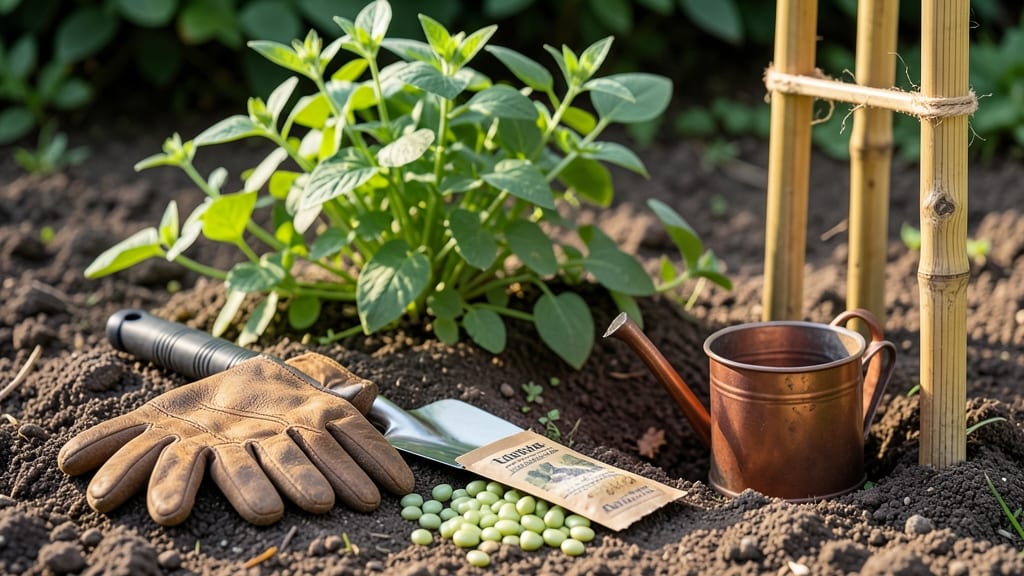
Planting peas at the wrong time in the UK can mean the difference between a bumper harvest and weeks of waiting for tiny sprouts.
The key to success lies in understanding your region's frost patterns and soil temperatures—because those crisp, sweet peas won’t magically appear if the ground is still too cold.
Most UK gardeners know peas thrive in cooler weather, but did you know you can start sowing as early as February under cloches? Or that late summer plantings in August-September give you a second harvest before winter sets in?
With the right timing, you could be enjoying fresh peas in just 60 days—no waiting months for them to mature.
I’ve tested these tricks in my own garden, and the results speak for themselves: faster germination, stronger plants, and a harvest that lasts longer. Whether you’re a beginner or a seasoned grower, these soil temperature secrets will help you avoid the most common mistakes that hold peas back.
Let’s break down exactly when to plant for your specific UK region—and how to give those little seeds the perfect start. Your taste buds (and dinner plate) will thank you.
Best planting times for peas in the UK by region
The UK’s varied climate means pea planting times can differ by hundreds of miles. Southern regions like Cornwall or Kent enjoy milder winters, while Scotland or Northern Ireland face colder springs. Getting the timing right ensures fast germination and continuous harvests—here’s how to adapt your approach.
Peas thrive in cool soil temperatures (5–10°C), making early spring the ideal window. However, late winter sowing under cloches can give you a head start in colder areas.
Below, I’ve broken down the best planting windows by UK region, including early, main, and late sowing strategies for year-round success.
Pro tip: Use a soil thermometer to check readiness—peas won’t germinate well in cold, wet soil. Aim to plant when the ground is workable but not frozen.
| Region | Early Sowing (Under Cloches) | Main Sowing | Late Sowing (Succession) | Last Frost Risk |
|---|---|---|---|---|
| South England (e.g., London, Kent) | January–February (cloches) | March–April | May–June (dwarf varieties) | Mid-April |
| Midlands (e.g., Birmingham, Nottingham) | February (cloches) | Late March–April | May–June | Late April |
| North England (e.g., Manchester, Leeds) | March (cloches) | April–May | June (short-season varieties) | Early May |
| Scotland/Wales (e.g., Edinburgh, Cardiff) | April (cloches) | May–June | July (cool-loving types) | Mid-May |
| Northern Ireland | April (cloches) | Late May–June | August (autumn varieties) | Late May |
*Timing based on average last frost dates; microclimates may vary.
For continuous harvests, I recommend succession planting every 2–3 weeks during the main season. In southern regions, you can even try late summer sowing (August) for autumn crops, using cold-hardy varieties like ‘Douce Provence’.
If you’re in a cooler microclimate (e.g., near the coast or in valleys), start seeds indoors in late winter and transplant after the last frost. Urban gardeners can use deep containers to mimic outdoor conditions.
Watch out for soil compaction in heavy clay areas—amend with compost or sand before planting. Peas need well-draining soil to avoid rot and poor germination.
In warmer microclimates (e.g., greenhouse borders or south-facing walls), you can push early sowing by 2–3 weeks. Just monitor soil moisture—dry spells can stress young seedlings.
For maximum yields, pair peas with radishes or lettuce—they share space well and improve soil structure. Avoid planting near onions or garlic, as they compete for nutrients.
Remember: Peas hate heat. If temperatures rise above 25°C (77°F), germination slows or stops. Use shade cloth in summer for late sowings.
Soil temperature secrets for faster pea germination
Pea seeds need the right soil temperature to germinate quickly—too cold, and they’ll sit in the ground for weeks. The ideal range is 5–10°C (41–50°F), where most varieties like Meteor or Douce Provence will sprout in just 7–14 days.
In the UK, this often means waiting until late February or March, but there are tricks to speed things up if your soil is stubbornly chilly.
Cold soil is the #1 reason peas fail to germinate on time. Even if the air feels spring-like, the ground might still be below 5°C (41°F), causing seeds to rot or simply refuse to sprout.
I’ve learned the hard way—planting too early in January or February often leads to disappointment. The key is testing your soil’s readiness before sowing.
⚠️ callout warning ⚠️
🌱 Warning: Planting Too Early
Cold soil (<5°C/41°F) causes seeds to rot or delay germination by weeks. Even if your last frost date has passed, the ground may still be frozen. Use a soil thermometer (£5–£10) to check depth—peas need warmth at 2–3 inches deep.
Pro Tip: If soil is below 5°C (41°F), wait 1–2 weeks or use cloches/black plastic to warm it.
To test soil temperature, bury a soil thermometer for 24 hours—this gives the most accurate reading. If it’s below 5°C (41°F), delay planting or use cloches, black plastic mulch, or a cold frame to raise the temperature.
I’ve had great success with black plastic sheeting laid over the bed a week before sowing—it warms the soil by 2–4°C (3.6–7.2°F) in just days.
Another trick? Sow peas under cloches in early spring. The glass traps heat, creating a microclimate that’s 5–10°C warmer than the surrounding soil. This lets you plant 2–3 weeks earlier than usual.
Just remove the cloches once shoots appear to prevent overheating. For dwarf varieties like Little Marvel, this method works beautifully even in northern UK gardens.
Common mistakes that slow germination include planting in wet, compacted soil or ignoring seed depth. Peas need 1–2 inches of soil cover—any deeper, and they’ll struggle to break through.
Also, avoid sowing after heavy rain, as waterlogged soil can suffocate seeds. Instead, wait for a dry spell or improve drainage with compost or grit.
Once your soil hits the sweet spot of 5–10°C (41–50°F), keep it consistently moist but not soggy. A light mulch of straw helps retain warmth and moisture.
With the right timing and a little patience, you’ll see those first pea tendrils breaking through the soil in just 7–10 days—a far cry from the weeks-long wait of improperly timed plantings. 🌱