
Flowers
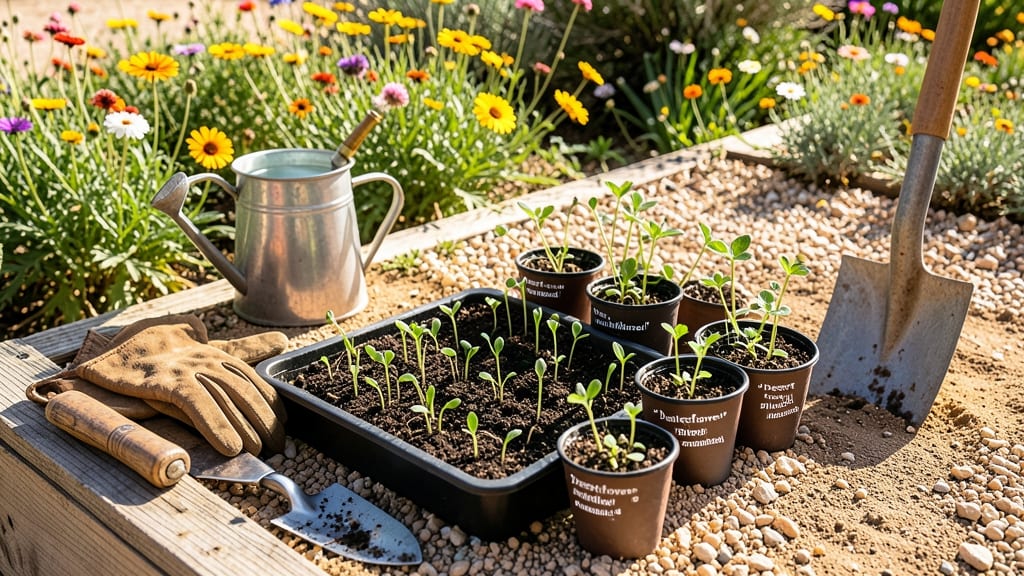
Timing when to plant flowers in Arizona isn’t just about avoiding frost—it’s about outsmarting the 110°F summers and making the most of the 300+ frost-free days.
Plant too early, and your 🌸 blooms might wilt under the desert sun; too late, and you’ll miss the sweet spot between monsoon moisture and winter chill.
Most Arizona gardeners know the basics—cool-season planting—but the real secret lies in leveraging the state’s microclimates. High-desert areas like Flagstaff (USDA Zone 7) can handle early fall planting, while Phoenix (Zone 10) thrives with late summer starts.
The key? Plant between September and March, when temperatures are forgiving and rainfall is reliable.
In this guide, I’ll break down the exact months to plant your favorite annuals, perennials, and drought-resistant 🌸 flowers, plus how to adjust for your specific elevation. Whether you’re dreaming of spring petunias or fall salvias, you’ll learn how to sync your garden with Arizona’s unpredictable—but beautiful—climate.
Ready to transform your yard into a year-round bloom parade? Let’s dive into the heat-zone calendar that’ll keep your flowers happy (and your water bill lower) all season long.
Arizona’s best flower planting months by heat Zone (USDA 8-11)
Arizona’s USDA Heat Zones 8-11 create a unique gardening puzzle where timing is everything. Unlike northern climates, we don’t have to worry about frost damage, but extreme summer heat and unpredictable monsoons demand strategic planting.
The key? Leveraging cooler months for establishment while using monsoon rains to your advantage during peak heat.
High-desert areas like Flagstaff (Zone 8) have cooler nights and shorter growing seasons, while Phoenix (Zone 11) faces triple-digit temperatures year-round. This means annuals planted in March might thrive in cooler zones but wilt in low-desert heat.
Understanding these microclimate differences is your secret weapon for continuous blooms without the guesswork.
Here’s the golden rule: Plant cool-season flowers in September-October and warm-season varieties in February-March. This timing lets roots establish before summer’s brutal heat while taking advantage of monsoon moisture (July-September) to keep plants hydrated.
Let’s break down the exact planting windows for Arizona’s most popular flowers, tailored to your specific heat zone.
For USDA Zone 8 gardeners in Flagstaff or Prescott, focus on September-October planting for cool-season annuals like pansies and snapdragons.
These hardy flowers handle chilly nights and bloom until spring frost (if it ever arrives). Perennials like lavender and Russian sage should go in September to establish roots before winter’s mild chill.
In Zone 9 areas (Sedona, Prescott Valley), September is prime for bulbs like tulips and daffodils, while February opens the door for warm-season favorites like zinnias and marigolds.
The monsoon season (July-September) is your secret weapon—plant seed packets in July and let the natural rainfall do the work. Just be prepared to protect seedlings from flash floods with elevated beds.
Gardeners in USDA Zones 10-11 (Phoenix, Tucson, Yuma) must avoid summer planting entirely. Instead, September is your only safe window for annuals like petunias and geraniums.
For perennials, January-February is ideal—just mulch heavily to retain moisture during spring’s rapid temperature swings. Drought-resistant natives like desert marigold
How to time flower planting for Arizona’s unique climate challenges
Arizona’s climate throws curveballs—110°F summers, unpredictable monsoons, and low humidity that dry out soil faster than you can water. Unlike colder climates, you won’t freeze your flowers to death, but heat stress and drought sensitivity can turn your garden into a crispy wasteland if you’re not careful.
The key? Planting at the right time and preparing your soil to handle the extremes.
Most gardeners make two critical mistakes: planting too early in spring heat or waiting until late summer when monsoons can drown tender seedlings. Instead, focus on fall planting (September–November) when temperatures cool slightly, and roots establish before winter.
For summer-blooming flowers, start seeds indoors in March to transplant after the June solstice heat peaks.
⚠️ callout warning ⚠️
- Planting in June–August: Seedlings roast in 2 hours under direct sun. Even shade cloth won’t save them.
- Skipping soil amendments: Clay-heavy soil bakes into brick, while sandy soil drains too fast. Amend with organic matter (compost, coconut coir) before planting.
- Ignoring monsoon prep: Flash floods can erode soil and uproot seedlings. Elevate beds or use swales to capture water.
- Overwatering new plants: Drip irrigation at soil level is better than overhead watering, which evaporates instantly.
Pro Tip: Test soil moisture 2 inches deep—if it’s dry, water deeply. If it’s soggy, wait.
Start by preparing your soil 4–6 weeks before planting. Arizona’s native soil is often alkaline and nutrient-poor, so mix in compost (2–3 inches) and perlite or pumice to improve drainage.
For container gardening, use a cactus/succulent mix blended with peat moss for better moisture retention. Mulch heavily (3–4 inches of straw or gravel) to keep roots cool and retain moisture.
Shade cloth is your best friend during transition seasons. If planting in late spring (April–May), use 30–50% shade cloth to protect seedlings from intense afternoon sun.
For summer transplants (July–August), opt for 70% shade cloth and remove it gradually over 2 weeks to harden off plants. Bougainvillea and desert marigold are exceptions—they thrive under full sun but need deep watering every 5–7 days.
Drought-resistant varieties are non-negotiable. Skip traditional petunias or impatiens—they wilt faster than a cactus in a sauna. Instead, choose native Arizona flowers like desert marigold (Baileya multiradiata), blanket flower (Gaillardia), or agave (yes, it’s a flower!).
These plants store water in their leaves and require half the water of conventional blooms. For colorful annuals, try zinnias or portulaca, which bounce back from heat waves.
Timing isn’t just about months—it’s about microclimates. High-desert areas (Flagstaff, Prescott) can handle earlier spring planting (March), while low-desert zones (Phoenix, Tucson) should wait until October.
Pay attention to nighttime temperatures: if lows dip below 50°F, cover tender plants with frost cloth (yes, even in Arizona—it’s rare but happens).
Finally, adjust your watering schedule like a pro. Water deeply once a week (1–2 gallons per plant) in the early morning to reduce evaporation. Avoid daily light watering, which encourages shallow roots.
For newly planted flowers, water every 2–3 days until established, then taper off. Mulch with gravel in rocky areas to prevent soil from drying out completely.