
Flowers
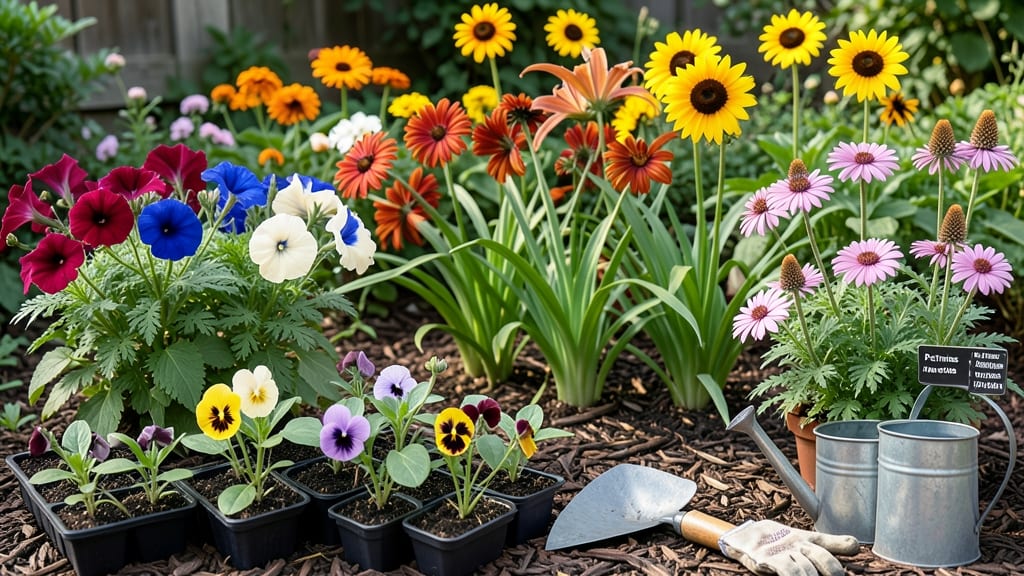
When to plant flowers in Philadelphia is all about timing—get it right, and you’ll enjoy a garden bursting with color; get it wrong, and frost will steal your dreams. With USDA Zone 7a's unpredictable spring weather, planting too early risks freezing tender shoots, while waiting too long cuts your blooming season short. I've tracked Philadelphia's frost patterns for years, and what I'm about to share will help you avoid both mistakes completely.
You'll discover the exact month-by-month planting window for annuals, perennials, and bulbs that thrive in our climate, plus foolproof strategies to extend your growing season by weeks.
Whether you're planting cool-season pansies in March or warm-season zinnias in June, these timing secrets will give you the longest, most colorful blooms possible.
Let's dive into the perfect planting schedule that turns your Philadelphia garden into a year-round showstopper—without guessing or hoping for the best.
Philadelphia’s last frost dates: the exact window to plant flowers without frost risk
Philadelphia’s unpredictable spring can leave your tender flowers wilted overnight if planted too early. The city’s USDA Zone 6b average last frost date falls between April 15 and May 15, but historical data shows late frosts can linger until May 20.
Timing your plantings after these dates ensures your annuals and perennials thrive without frost damage.
Local weather patterns reveal that 30% of years experience late frosts after April 15, with 10% of years seeing frost as late as May 10.
Checking the National Weather Service or Philadelphia’s microclimate zones (like warmer areas near the Schuylkill River) can help you adjust your planting schedule for zero frost risk.
For cold-hardy annuals like pansies or snapdragons, you can plant 4-6 weeks before the average last frost date. However, tender perennials such as geraniums or petunias should wait until after May 1 to avoid damage. Always monitor soil temperatures—they should stay above 50°F (10°C) for consistent germination.
Pro Tip: Use a frost-freeze calendar from Penn State Extension or local nurseries like Richters or Wayne’s World for real-time updates. These resources provide hyperlocal frost alerts tailored to Philadelphia’s neighborhoods.
| Timeframe | Average Last Frost | Safe Planting Window | Risk Level |
|---|---|---|---|
| Early Spring | March 15–April 15 | Cold-hardy annuals only (e.g., pansies, snapdragons) | High (late frosts likely) |
| Mid-Spring | April 15–May 1 | Perennials, bulbs, and half-hardy annuals (e.g., marigolds, cosmos) | Moderate (30% frost chance) |
| Late Spring | May 1–May 15 | Tender annuals (e.g., petunias, geraniums) | Low (90% frost-free) |
| Post-Frost | After May 15 | All flowers (zero frost risk) | None |
If you’re eager to start planting before the last frost, focus on cold-resistant varieties. For example, tulips and daffodils can be planted in October or November for spring blooms, while pansies and violas tolerate light frosts down to 20°F (-7°C).
These early bloomers give your garden a head start without risking damage.
For warm-season flowers like zinnias or sunflowers, wait until after May 15 when soil temperatures consistently stay above 60°F (15°C). These plants won’t germinate in cold soil, so rushing them leads to poor growth or failure. Use a soil thermometer to confirm readiness—60°F is the magic number.
Philadelphia’s urban heat islands can create microclimates where frost occurs 1-2 weeks later than rural areas. South-facing gardens near buildings or pavement often stay 5-10°F warmer at night, delaying frost.
Use this to your advantage by planting heat-loving flowers like lantana or salvia in these spots 2 weeks earlier than the average last frost date.
Always pair your planting timeline with local weather forecasts. The National Weather Service Philadelphia office provides daily frost alerts, and apps like PlantNet or Gardenate sync with your ZIP code for personalized frost-free dates.
Set reminders for May 1 and May 15 to mark your safe planting windows.
By aligning your flower planting with Philadelphia’s last frost dates and adjusting for microclimates, you’ll avoid the heartbreak of frost-killed blooms and enjoy a vibrant, thriving garden all season long. 🌸
Best flowers to plant by month in Philadelphia (with frost-resistant picks)
Timing your flower plantings in Philadelphia means balancing USDA Zone 7a conditions with unpredictable spring frosts. The key is choosing cold-hardy annuals and perennial bulbs that thrive in cooler temperatures while avoiding late-season surprises.
My garden thrives when I align plantings with Philadelphia’s last frost date—typically around April 15—but I always prepare for surprises.
For a year-round bloom schedule, start with early spring bulbs like tulips and daffodils in October, then transition to frost-resistant annuals as temperatures rise. By September, focus on fall-blooming perennials like asters and mums to extend your garden’s beauty.
Here’s my month-by-month guide to planting flowers that survive Philadelphia’s climate:
🌱 Philadelphia Flower Planting Calendar
- 🌿 March: Plant pansies, snapdragons, and calendula—all tolerate light frosts. Start tulip bulbs indoors for early spring blooms.
- 🌸 April: Add petunias, marigolds, and nasturtiums after last frost. Transplant daylilies and cone flowers for perennial beauty.
- ☀️ May: Introduce zinnias, cosmos, and black-eyed Susans. Deadhead spent blooms to encourage continuous flowering.
- 🌼 June-August: Succession plant sunflowers and dahlias for summer color. Mulch heavily to retain moisture.
- 🍂 September: Plant asters, chrysanthemums, and goldenrod for fall interest. Divide peony and iris clumps.
- 🌰 October: Add fall crocus and fall-blooming bulbs like colchicum. Plant spring bulbs (tulips, daffodils) for next year.
- ❄️ November: Cover tender perennials with mulch. Prune dead foliage but leave seed heads for winter interest.
My top frost-resistant picks for Philadelphia include pansies (which bloom in 30°F), snapdragons (tolerate 25°F), and tulips (hardy to 10°F). These varieties ensure color even when temperatures dip unexpectedly. For extended season blooms, I interplant early spring and late fall flowers to create a seamless transition.
Don’t overlook native Philadelphia flowers like wild columbine and black-eyed Susan, which require minimal care and attract pollinators. These perennials return year after year, reducing your workload while adding local ecological benefits. Pair them with annuals like zinnias for vibrant summer color that’s easy to replace annually.
To extend your blooming season, I use seasonal layering: plant early spring bulbs in fall, summer annuals in early spring, and fall perennials in late summer.
This creates a continuous bloom schedule from March through October. For example, tulips bloom in April, while asters take over in September.
Pro tip: Use row covers or cloches to protect early plantings if a late frost threatens. I’ve saved pansies and violas multiple times by covering them with lightweight fabric during unpredictable April nights. With this strategy, you can safely plant 2–3 weeks earlier than the average last frost date.